

 en
 English
 Español

Aluminum Die Casting Components
-- Steady & Reliable Manufacturer --
Brief Product Description
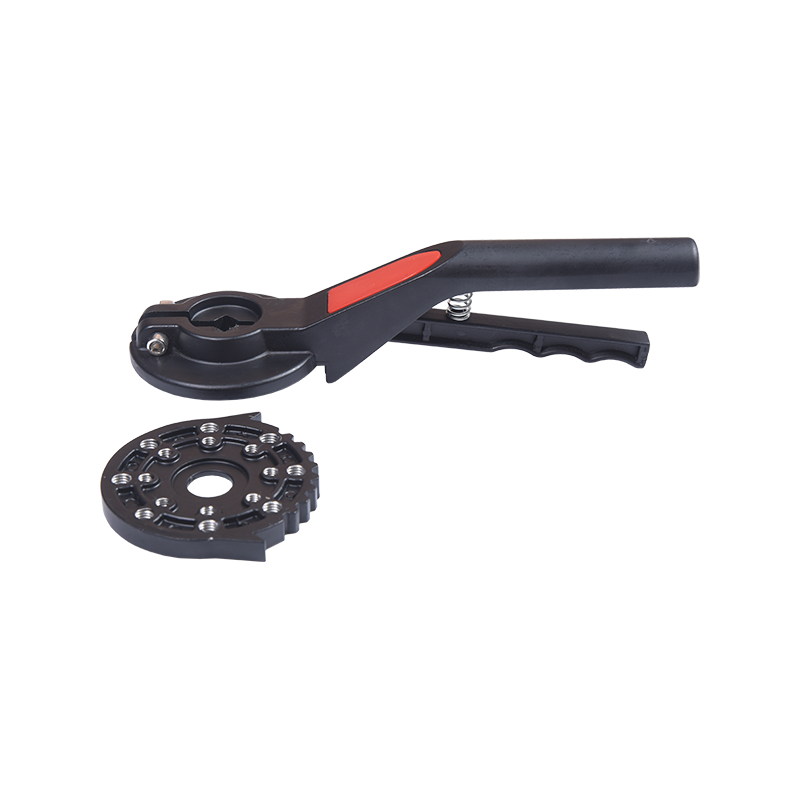
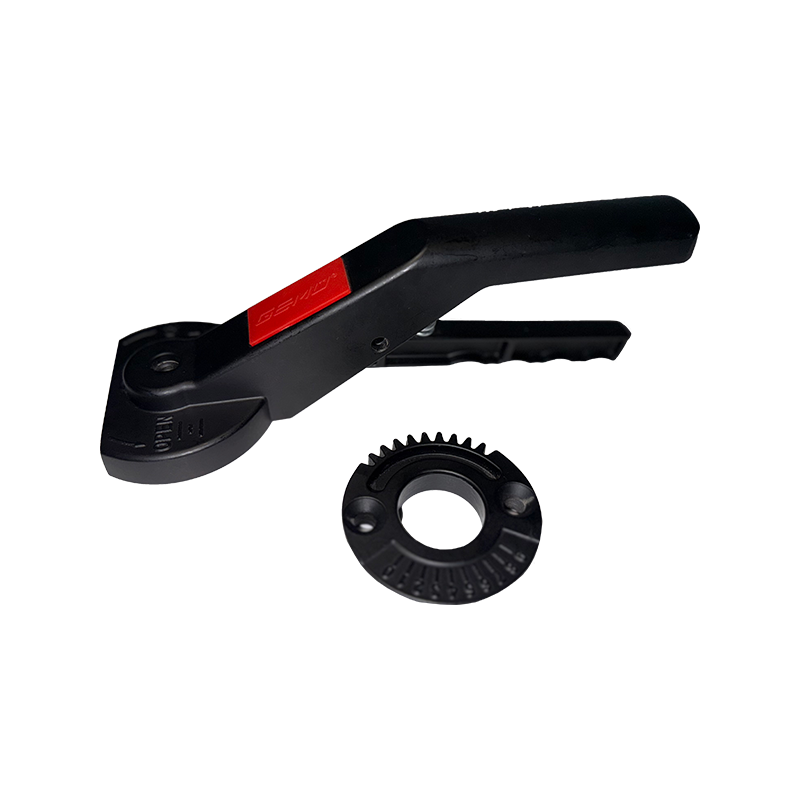
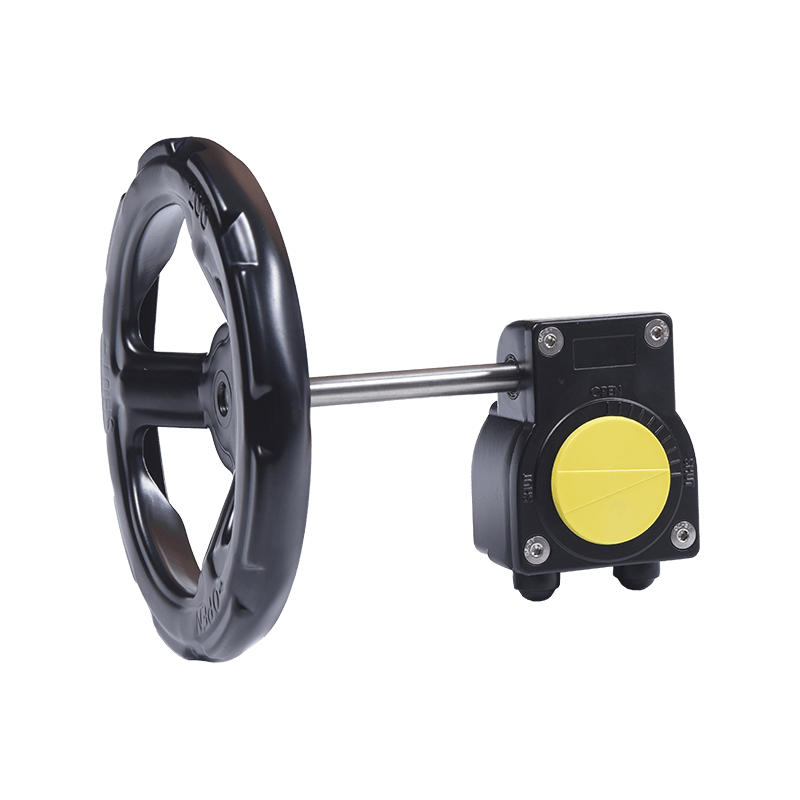
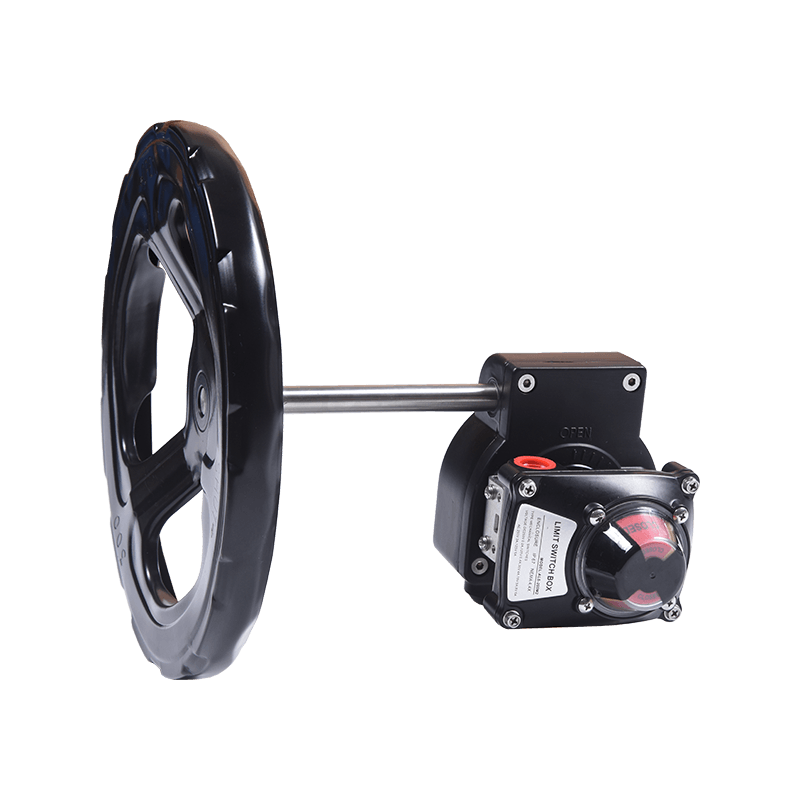
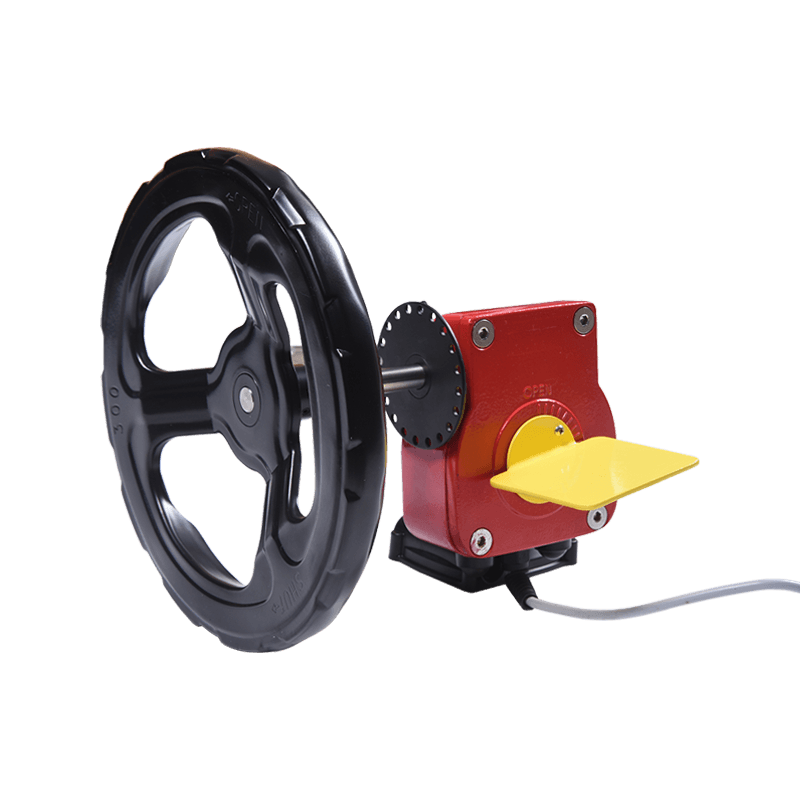
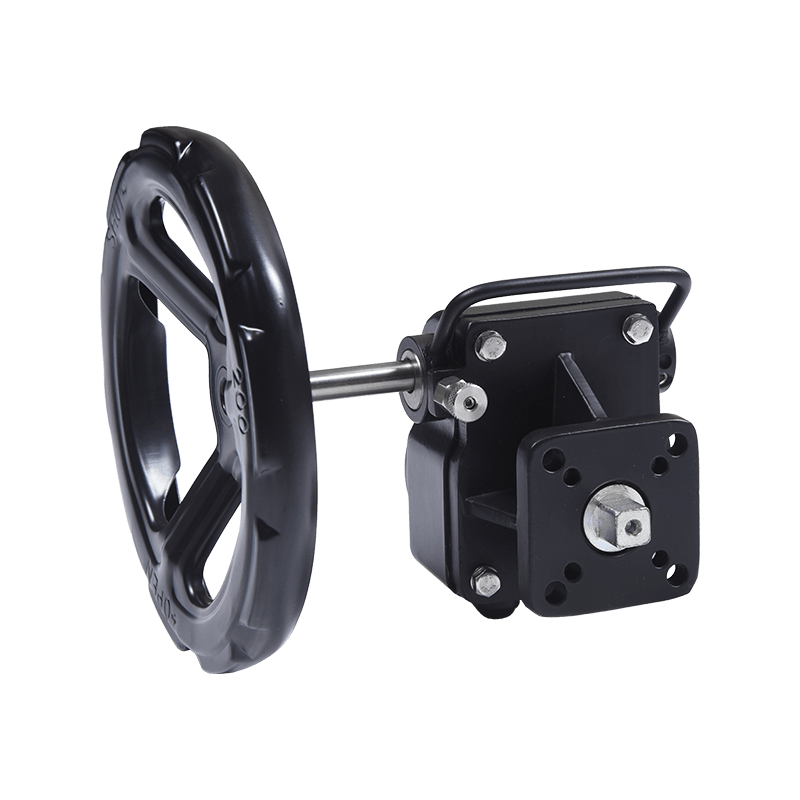
Aluminum die casting components are made by forcing molten alloy into a steel die under high pressure, which produces thin walls, fine detail and very repeatable parts. They are used in valve and actuator housings, motorcycle parts and industrial equipment. Buyers are typically OEM manufacturers that need thousands of identical pieces each year.
Procurement teams check alloy grade, part weight, wall thickness, dimensional tolerance, porosity limits, surface finish and tooling ownership. Annual volume matters because tooling is a major upfront cost, so it should be spread across a realistic production plan.
Our six die-casting machines feed in-house trimming, CNC machining, shot blasting, painting and assembly. We support OEM and ODM projects, including design review for manufacturability. Die tooling normally takes 35 to 50 days, and MOQ typically starts at 500 to 1,000 pieces per item. Send us a drawing and an estimate of annual volume.
First articles are measured against the drawing before mass production, and the die is maintained on a planned schedule to keep dimensions stable over long runs. Parts are packed in trays or dividers to prevent contact damage on thin walls.
Process
High-pressure die casting
Alloy
ADC12 (A383 equivalent) and similar grades
Typical Wall
About 2 to 4 mm
Tolerance
ISO 8062 CT6 to CT8 as cast, tighter after machining
Secondary Work
Trimming, CNC machining, shot blasting, painting
Service
OEM and ODM, tooling support, MOQ from 500 pieces
Product Overview
Aluminum die casting is a high-volume process in which molten alloy is injected into a hardened steel die at high speed and pressure, then cooled and ejected as a near-net-shape part. Compared with gravity casting, it gives thinner walls, tighter repeatability and shorter cycle times, so cost per piece falls as volume rises.
The process suits housings, covers, brackets and frames that have complex ribs, bosses and thin sections. After casting, parts are trimmed, deburred and machined at critical faces and bores. Gas porosity must be controlled through die design, venting and process parameters, because it can affect leak-tightness and surface finish after painting or anodizing.
Process
High-pressure die casting
Alloy
ADC12
Machining
CNC in-house
Quality System
ISO 9001
Main points for buyers
- Alloy selection: Confirm ADC12 or another grade against strength, flow and corrosion needs.
- Tooling ownership: Agree who owns the die, how long it is stored and who pays for repairs.
- Porosity control: State leak-tightness or surface requirements so the process can be planned.
- Machining stock: Ask which surfaces are left for machining and how datum points are set.
- Annual volume: Share forecast quantities so tooling investment and part price can be balanced.
Die casting cost has two parts: tooling and piece price. Tooling depends on part size, complexity and the number of cavities, while piece price is driven by alloy weight, cycle time, trimming, machining, surface treatment and scrap rate. Freight, packaging and payment terms also count. Quotes should state tooling cost, die life expectations and the volume on which the piece price is based.
Specification
| Parameter | Specification |
| Process | High-pressure die casting |
| Alloy | ADC12 (A383 equivalent); other grades on request |
| Part Weight | About 20 g to 5 kg, typical |
| Wall Thickness | About 1.5 to 4 mm, typical |
| Dimensional Tolerance | ISO 8062 CT6 to CT8 as cast |
| Machining | CNC turning and milling for critical features |
| Surface Treatment | Shot blasting, vibratory finishing, powder coating, painting |
| Tooling Lead Time | 35 to 50 days, typical |
| Sample Lead Time | 7 to 15 days after tooling approval |
| Inspection | Dimensional check, visual check, leak test on request |
| Documentation | Material certificate, first article report on request |
| Packaging | Protective trays or dividers, export cartons |
Application
Application Scenarios
| Industry | Typical Use | Key Requirement |
| Valve and actuator | Housings, end caps and covers | Thin walls, consistent dimensions |
| Motorcycle | Brackets, covers and housings | Light weight and good surface finish |
| Industrial equipment | Enclosures and frames | Rigidity and repeatability |
| Pneumatic systems | Cylinder end covers | Leak-tight castings |
| Electrical enclosures | Junction boxes and housings | Flat sealing faces and coating |
Target Customers
OEM Manufacturers
Need large, repeatable batches at stable cost.
Product Developers
Need design feedback before committing to tooling.
Tier-1 Suppliers
Need documented quality and steady delivery.
Suitable and Unsuitable Uses
Suitable Uses
- Annual volumes that justify die tooling
- Parts with thin walls and complex shapes
- Housings that need good appearance after coating
- Programs that require tight repeatability
Unsuitable Uses
- Very small production runs
- Parts that need high strength after T6 heat treatment
- Very thick or heavy sections
- Designs that are still changing frequently
Selection Guidance
Usage Notes
- Approve the first articles before releasing mass production.
- Keep the die maintenance schedule agreed with the supplier.
- Check machined bores for porosity after the first lot.
- Store castings dry before coating.
- Report any dimensional drift as early as possible.
Advantages
Six die-casting machines
Our die-casting cells run with in-house trimming and machining. A single supplier covering the steps cuts handling and gives you one point of responsibility for dimensions.
Design for manufacturing
Engineers review draft, rib and wall layout before tooling starts. Early changes reduce die rework and shorten your time to sample.
Machined critical faces
With 5 machining centers and 18 CNC lathes, bores and sealing faces are finished to drawing. Parts reach your line ready to assemble, lowering rejection risk.
Surface quality
Shot blasting, vibratory finishing and a 300-meter painting line deliver even finishes. Better appearance supports visible products such as covers and housings.
Controlled quality
ISO 9001 procedures apply to incoming material, process and final checks. Recorded data supports supplier audits and traceability.
Scalable supply
Die casting works with gravity casting in the same plant. You can start with gravity for early volume and move to die casting as demand grows.
Frequently Asked Questions
- Q: What alloy do you use for die casting?
- A: ADC12, equivalent to A383, is our most common choice. Other aluminum grades can be discussed according to your requirements.
- Q: What is the MOQ for die cast parts?
- A: MOQ usually starts at 500 to 1,000 pieces per item because of tooling and setup. Please share your annual volume.
- Q: How long does tooling take?
- A: Die tooling normally takes 35 to 50 days, followed by sampling and approval.
- Q: What tolerance can die casting reach?
- A: As-cast tolerances typically follow ISO 8062 CT6 to CT8. Tighter dimensions are achieved by CNC machining.
- Q: Can you control porosity?
- A: Porosity is managed through die design, venting and process control. For leak-tight parts, please state test requirements in the inquiry.
- Q: Who owns the die?
- A: Tooling ownership is agreed in the contract. We can store and maintain dies for you during production.
- Q: What finishes can you provide?
- A: Options include shot blasting, vibratory finishing, powder coating, liquid painting and anodizing where suitable.
- Q: Do you also offer gravity casting?
- A: Yes. If strength or low volume is the priority, we can compare gravity casting with die casting for your part.
Contact us to learn more
Tell us your drawing, sample or application for aluminum die casting components, together with material, finish and expected annual quantity. Our engineers will review the details and reply with a clear quotation, sampling plan and lead time.
Send Your Inquiry