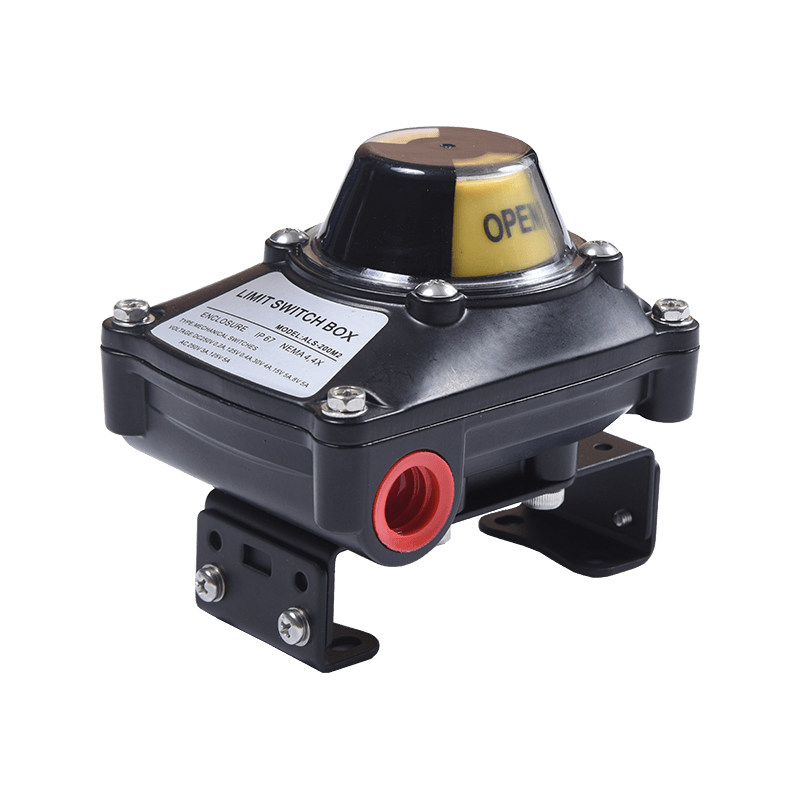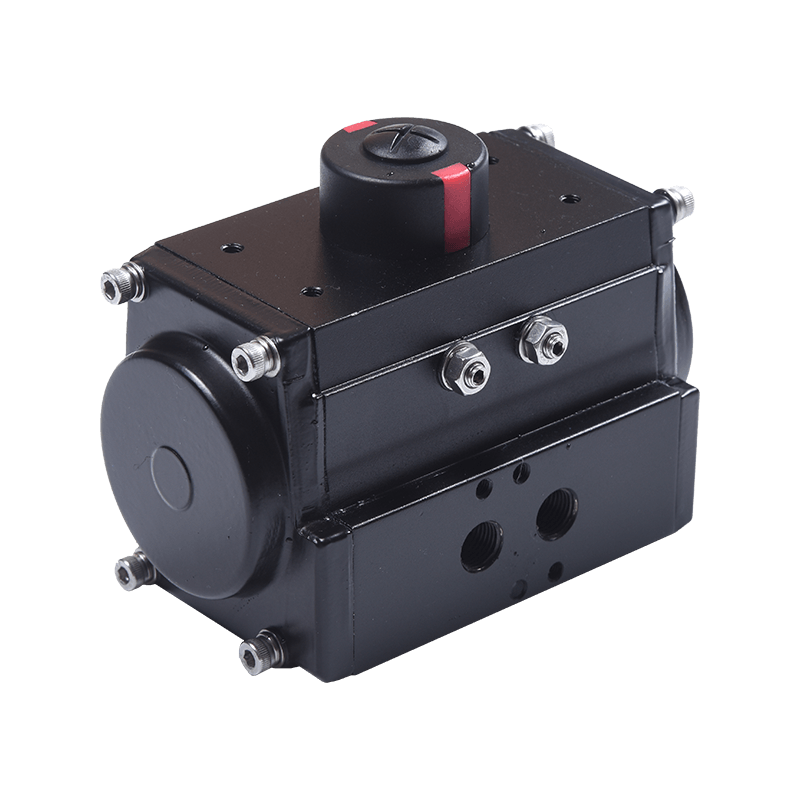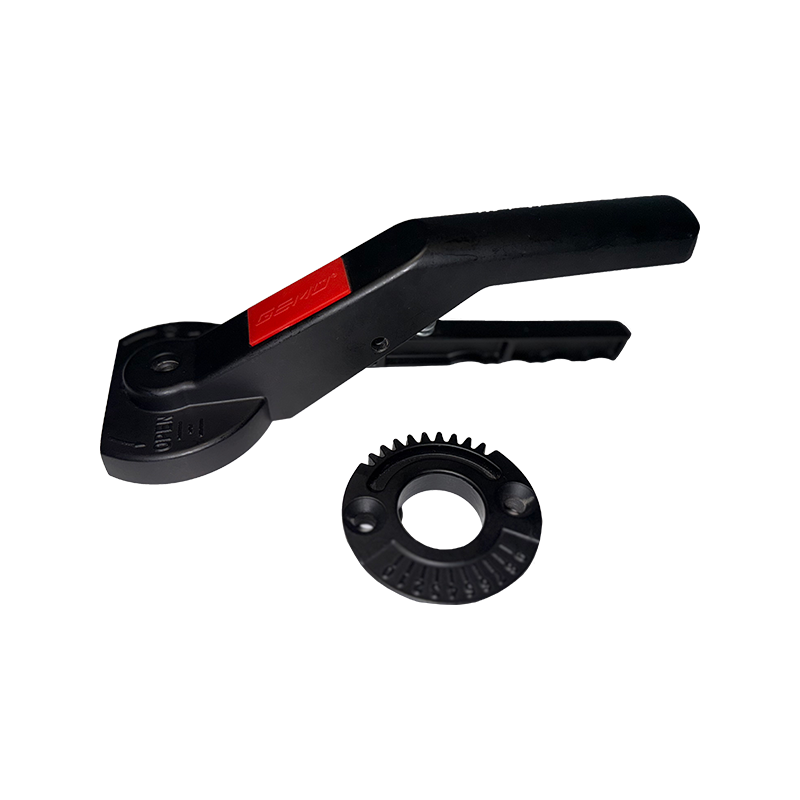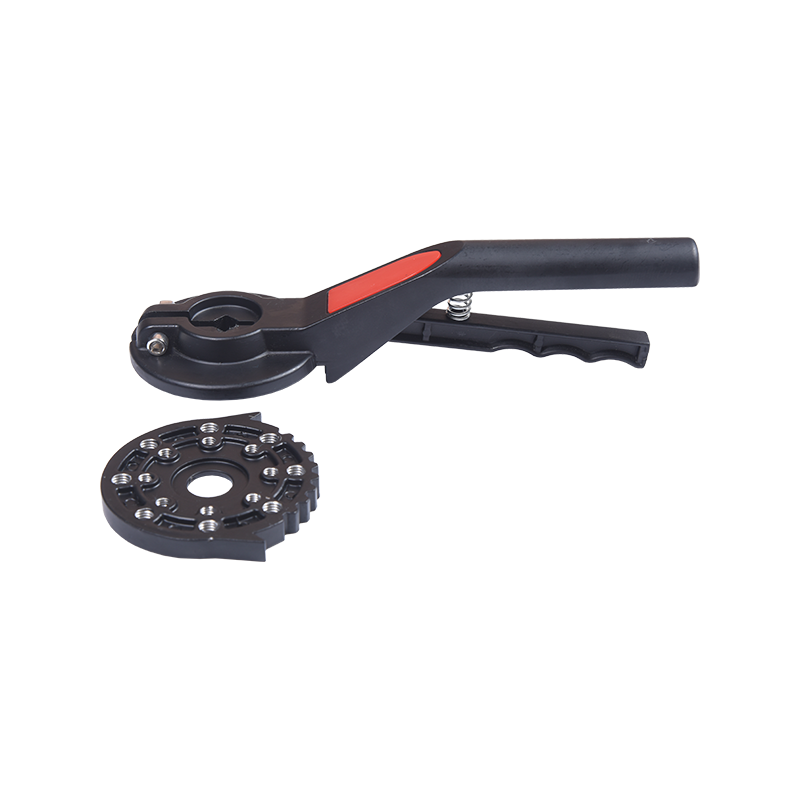
Valve Gearboxes Gearboxes Factory

Home / Products

Pneumatic Actuators Suppliers

Company
Ningbo Hawks Auto Parts Co., Ltd.

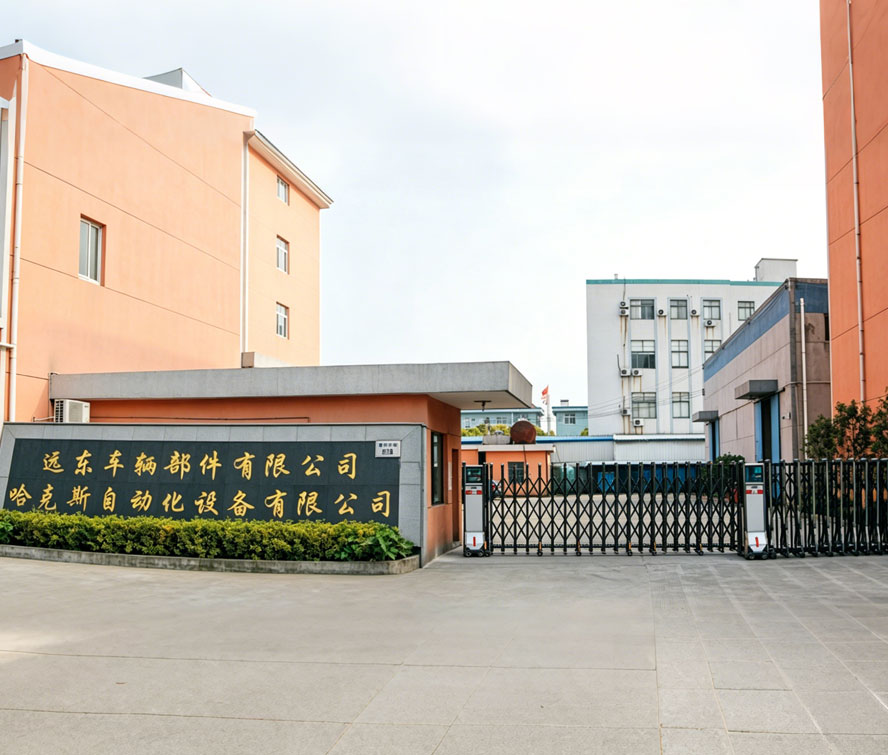
Ningbo Hawks Auto Parts Co., Ltd. is a high-tech enterprise based in Ningbo, a central hub of Chinese manufacturing. As a professional Butterfly Valve Hand Lever Factory and Pneumatic Actuators Suppliers, we integrate R&D, precision casting, machining, and assembly into our operations. With a modern factory spanning 30,000 square meters, we are dedicated to providing high-quality, highly reliable critical components for clients in the motorcycle and industrial sectors.

Our positioning goes beyond that of a traditional component supplier. Through a deeply vertically integrated manufacturing model, we maintain autonomous control over the entire production process, from raw material smelting and casting to precision machining, surface treatment, and final assembly. This effectively ensures consistent product quality, on-time delivery, and controllable costs.

1. Our Core Strengths and Hardware Capabilities

Our core advantages are built upon substantial hardware investment and a complete process chain.

Complete Process Chain and Advanced Equipment: We possess a full set of equipment from blank manufacturing to final assembly, ensuring full-process quality control.

Smelting and Casting: 3 non-ferrous metal smelting electric furnaces: Ensure the purity and precise composition of aluminum alloy raw materials.

20 metal gravity casting machines and 6 die-casting machines: Cover a wide range of casting needs from complex thin-walled parts to high-strength structural components, providing flexible casting solutions.

Heat Treatment and Surface Treatment: 6 heat treatment equipment units: Provide treatments such as T6, solution, and aging to significantly enhance the mechanical properties of castings.

2 shot blasting machines, 2 vibratory finishers, 10 polishing machines: Used for workpiece cleaning, deburring, and surface finishing.

300-meter automated painting line: Capable of applying primer and topcoat to meet various appearance and anti-corrosion requirements.

3 ultrasonic cleaning machines: Achieve thorough cleaning of deep holes and complex structures, ensuring assembly quality.

Precision Machining: 5 machining centers, 18 CNC lathes, 30 conventional lathes, 10 milling machines: Form a robust machining cluster with capabilities including turning, milling, drilling, and tapping, enabling efficient completion of high-precision, complex parts machining.

Final Assembly: 6 specialized assembly lines: Ensure efficient, orderly, and standardized assembly and testing of component assemblies.

2. Technology-Driven and Quality Commitment

Engineering Team: We have an experienced R&D team with the capability for synchronous development with customers.

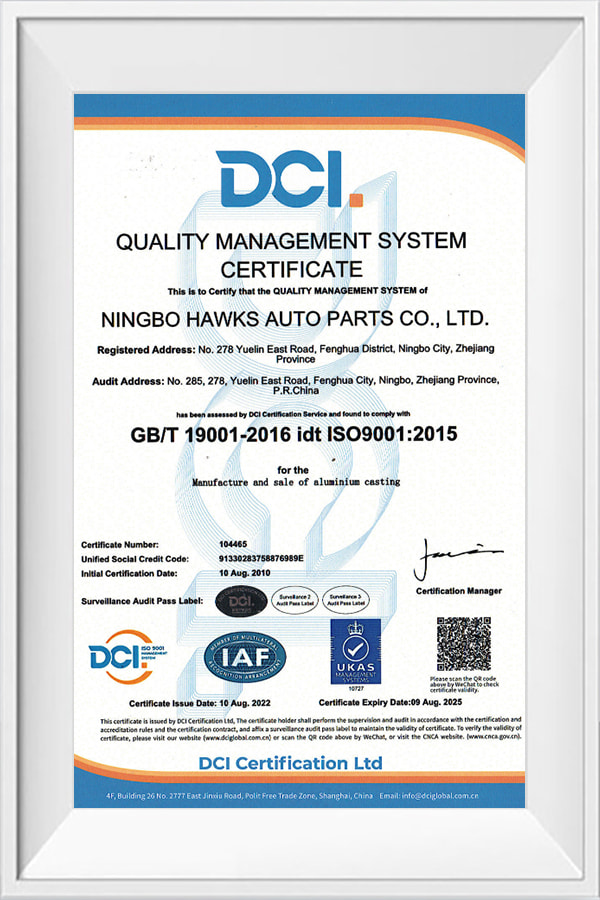
ISO 9001 Quality Management System: This forms the foundational quality management framework for our entire operation.

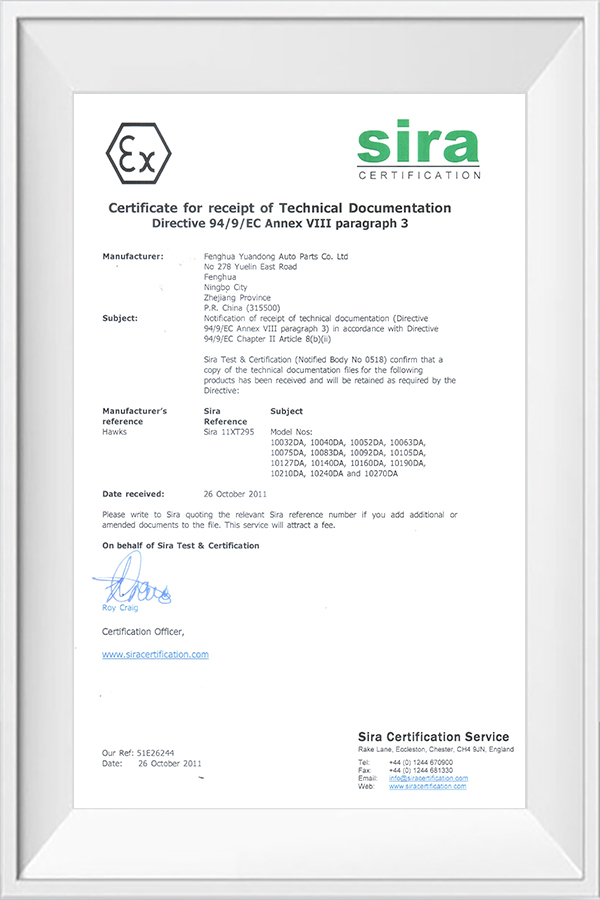
International Explosion-Proof Certifications: International Explosion-Proof Certifications, such as ATEX and IECEx: These key certifications are mandatory passes for our industrial valve actuators, gearboxes, and other products to enter potentially explosive atmospheres in sectors like oil, natural gas, chemicals, and mining. They prove our products are fully compliant with international explosion-proof standards in design and manufacturing, ensuring a high level of safety and reliability in hazardous environments. This provides crucial safety assurance and compliance for our global industrial customers.

3. Diversified Market Application Experience

Our products are successfully applied in two major sectors, giving us broader technical vision and more innovative solutions.

Motorcycle Sector: Supplies high-quality aluminum alloy castings and machined parts for engines, frames, and braking systems.

Industrial Sector: Supplies gearboxes, handles, and pneumatic actuators to the valve industry, with products exported overseas.
News
Certificate Of Honor
  •  CE(ATEX)
  •  ISO9001 Quality System Certificate
Products Industry knowledge

1、Understanding Pneumatic Actuators for Industrial Valve Automation

Pneumatic Actuators are widely used in industrial valve automation because they convert compressed-air energy into reliable mechanical rotation. For B2B buyers, the main advantages are fast response, repeatable operation, compact construction, and suitability for environments where electrical actuation may be undesirable. In quarter-turn applications, pneumatic actuators are commonly paired with butterfly, ball, and plug valves.

(1)Operating pressure and torque selection

Actuator selection should start with the actual valve torque requirement rather than actuator size alone. For example, an Emerson Keystone F89 pneumatic actuator specification provides torque data across air pressures from 3 to 8.3 bar, demonstrating how available output torque changes with supply pressure. A purchaser should therefore specify the minimum available air pressure, maximum working pressure, valve breakaway torque, running torque, and required safety margin before selecting a model.

(2)Why compressed air quality matters

Pneumatic equipment depends on clean and appropriately conditioned compressed air. Moisture, oil contamination, and particulate matter can accelerate seal wear and affect operating consistency. Industrial buyers should define air quality requirements, filtration, pressure regulation, and drainage arrangements as part of the complete valve automation package rather than treating the actuator as an isolated component.

2、How Valve Gearboxes Gearboxes Improve Valve Operation

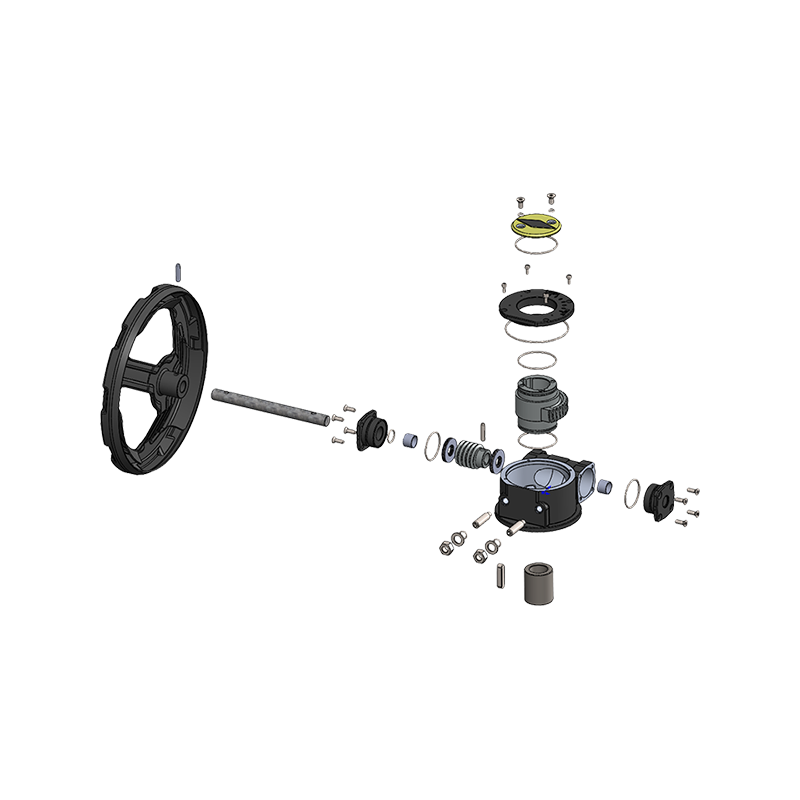
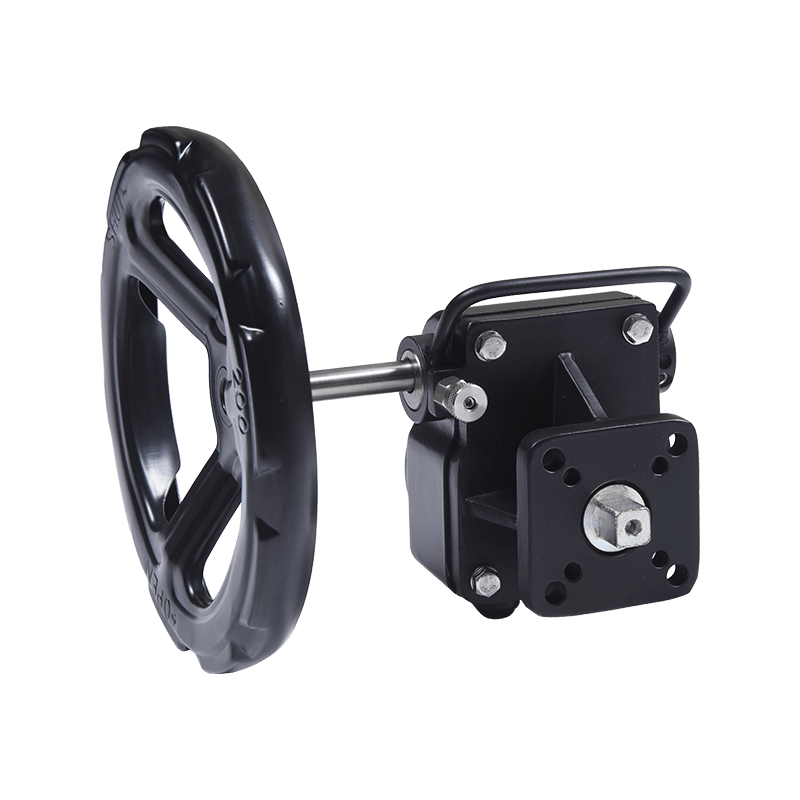
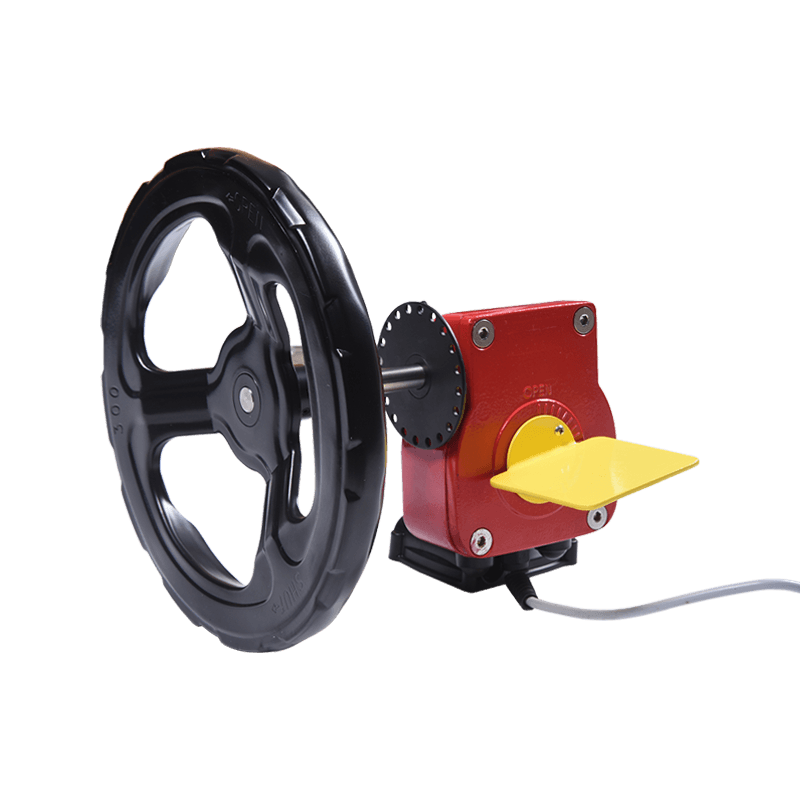
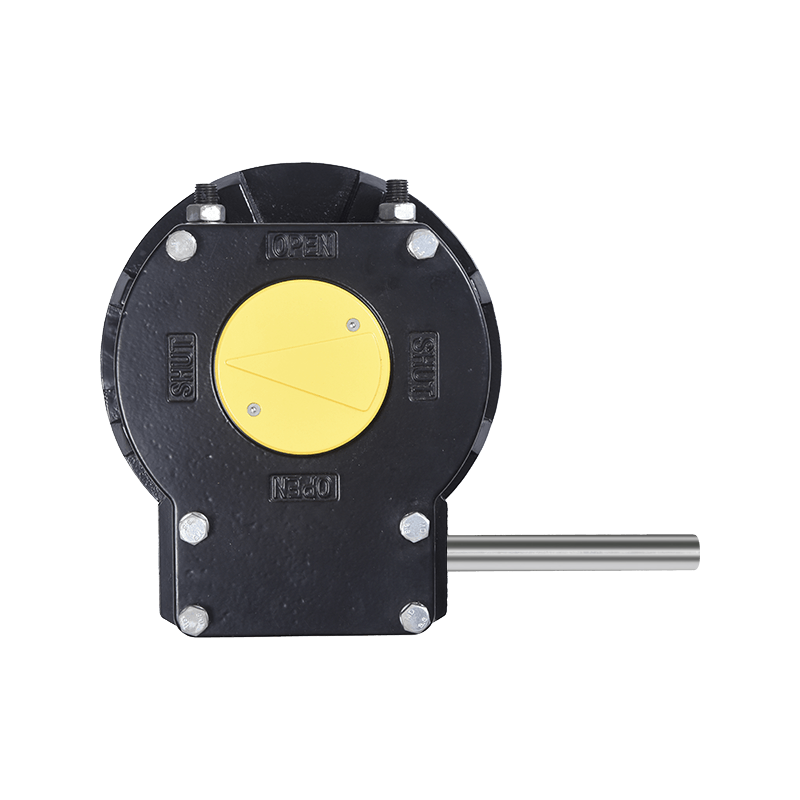
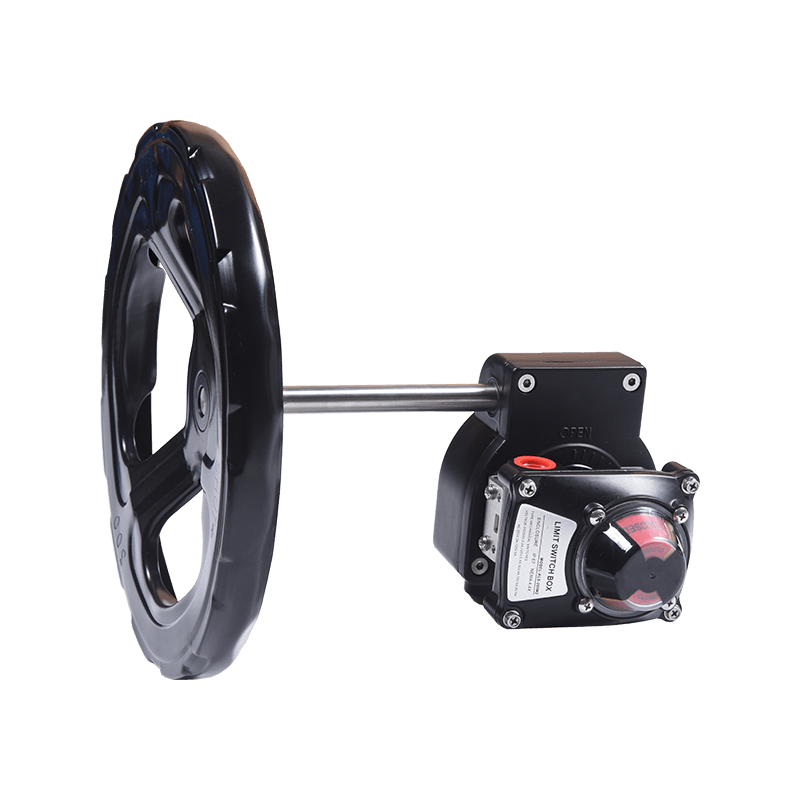
The term Valve Gearboxes Gearboxes is often used in B2B searches for mechanical transmission solutions used with industrial valves. A valve gearbox transfers and multiplies manual or actuator input torque so that larger valves can be operated safely and predictably. Worm gear, bevel gear, and other transmission arrangements may be selected according to valve size, operating torque, installation orientation, duty cycle, and required manual override.

(1)The importance of actuator-to-valve compatibility

A major procurement risk is treating the gearbox, actuator, and valve as independent components. The mounting flange, drive interface, shaft dimensions, torque capacity, travel angle, and available space must work together. The newly published ISO 5211:2026 is the current international standard for part-turn actuator attachments and covers flange dimensions, driving components, and reference torque values for relevant interfaces. This makes standardized mechanical interfaces especially important for international B2B sourcing.

(2)Key purchasing parameters

Key technical parameters for industrial valve gearbox and actuator sourcing
Parameter Why It Matters Typical B2B Requirement
Output Torque Determines whether the valve can be operated reliably Specified from valve torque data plus engineering margin
Mounting Interface Ensures mechanical compatibility ISO 5211-based interface where applicable
Material Affects corrosion resistance, weight and service life Aluminum alloy, ductile iron or steel according to application
Environment Influences sealing and surface treatment Temperature, humidity, corrosion and enclosure requirements

3、Choosing a Butterfly Valve Hand Lever for Manual Control

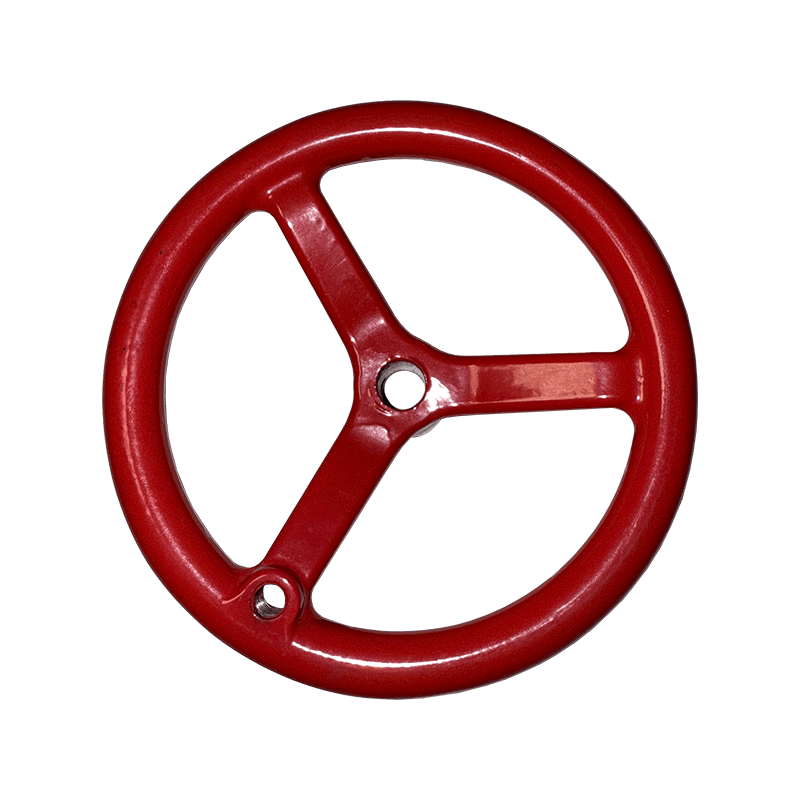
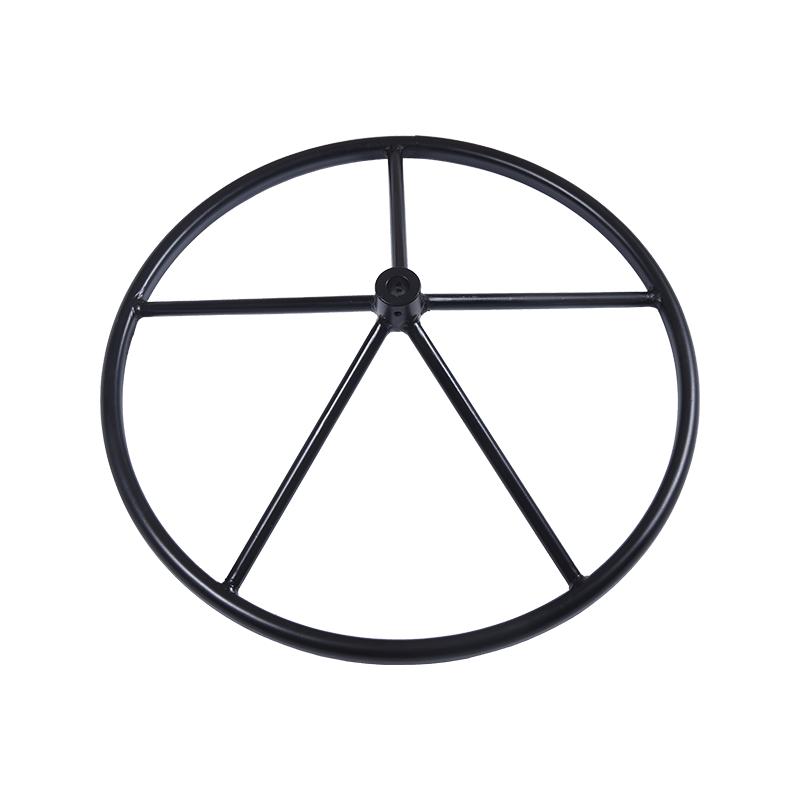
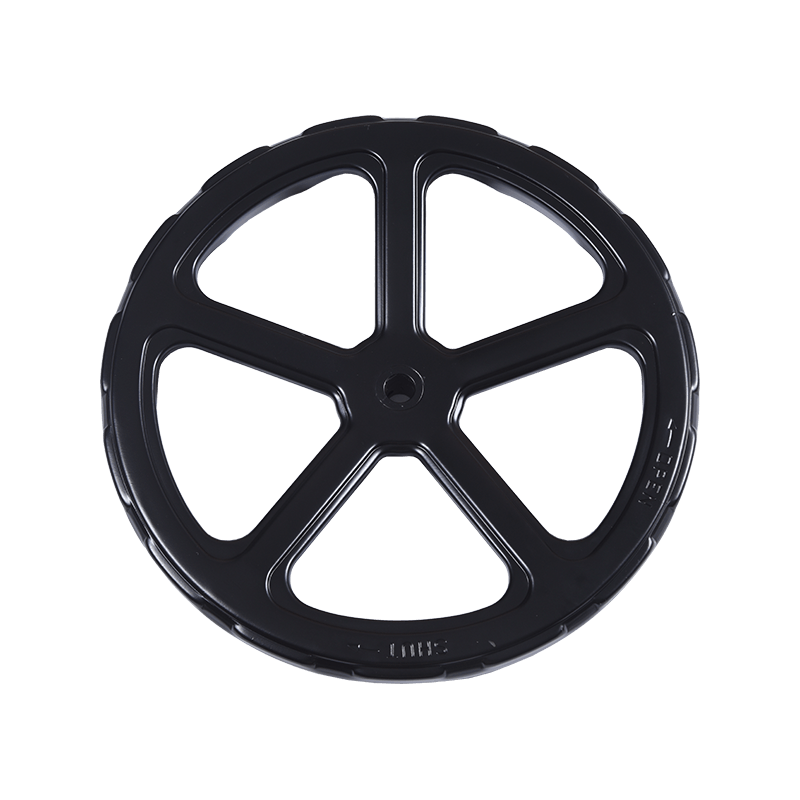
A Butterfly Valve Hand Lever provides direct manual control for quarter-turn butterfly valves. It is particularly suitable for smaller and medium-sized valves where operating torque remains manageable. For industrial buyers, the correct hand lever should provide sufficient mechanical strength, clear valve-position indication, positive end stops, and reliable locking where accidental operation could create a process risk.

(1)Position indication and locking

A good lever assembly should make valve position immediately visible. Commercial industrial designs commonly use directional indicators and indexed positions. For example, Bray's current manual operator range includes quarter-turn handles with locking springs, directional pointers, and multiple indexed positions for different valve applications. These features are valuable in water treatment, HVAC, process utilities, chemical handling, and general industrial piping.

(2)When a hand lever is no longer the best option

As valve size and operating torque increase, a simple lever may become impractical. A gearbox can reduce the manual effort, while Pneumatic Actuators can provide remote or automated operation. For example, a project requiring hundreds of repeated valve cycles per day may benefit from pneumatic automation even when manual control is technically possible. The business case should consider labor, cycle frequency, safety, maintenance, and downtime rather than component purchase price alone.

4、B2B Sourcing Checklist for Actuators, Gearboxes and Levers

For OEMs, valve manufacturers, distributors, engineering contractors, and industrial equipment integrators, supplier evaluation should cover both technical performance and manufacturing capability.

  1. Confirm valve torque at breakaway, running and seating conditions.
  2. Confirm actuator air-pressure range and required safety margin.
  3. Check mounting dimensions and drive interfaces against the latest applicable standard.
  4. Review casting, machining, surface treatment and assembly controls.
  5. Request inspection records, dimensional reports and batch traceability when required.
  6. Evaluate MOQ, tooling requirements, lead time, packaging and long-term supply stability.

For OEM projects, supplier vertical integration can also reduce the number of quality handoffs. A manufacturer capable of controlling casting, machining, surface treatment and assembly internally may provide better consistency than a fragmented supply chain, particularly when buyers require repeat orders with stable dimensions.

5、Why Manufacturing Integration Matters for Global Buyers

Hawks Auto Parts Co., Ltd. is China pneumatic actuators & valve gearboxes gearboxes suppliers and butterfly valve hand lever factory, including precision aluminum components OEM service.

Ningbo Hawks Auto Parts Co., Ltd. is a high-tech enterprise based in Ningbo, a central hub of Chinese manufacturing. We integrate R&D, precision casting, machining, and assembly into our operations. With a modern factory spanning 30,000 square meters, we are dedicated to providing high-quality, highly reliable critical components for clients in the motorcycle and industrial sectors.

Our positioning goes beyond that of a traditional component supplier. Through a deeply vertically integrated manufacturing model, we maintain autonomous control over the entire production process, from raw material smelting and casting to precision machining, surface treatment, and final assembly. This effectively ensures consistent product quality, on-time delivery, and controllable costs.

For B2B customers, this model is particularly relevant when purchasing customized aluminum components, valve operating parts, actuator housings, gearbox components, and other precision mechanical assemblies where dimensional consistency and repeatability directly affect downstream assembly efficiency.

6、Common Questions About Pneumatic Actuators, Valve Gearboxes Gearboxes and Butterfly Valve Hand Lever

Q1: How do I calculate the required torque for a pneumatic actuator?

Start with the valve manufacturer's breakaway, running and seating torque values. Select an actuator whose output torque exceeds the highest applicable valve torque under the minimum available air pressure. A practical engineering margin should then be added according to the valve design, process conditions and project specification. Do not size an actuator using nominal valve diameter alone.

Q2: What is the latest ISO standard for part-turn actuator mounting?

ISO 5211:2026 is the current published edition for industrial part-turn actuator attachments. It addresses flange dimensions, driving components and reference torque values for applicable interfaces. Buyers should verify the required interface directly against the latest project specification before ordering.

Q3: When should I use a valve gearbox instead of a Butterfly Valve Hand Lever?

A hand lever is generally appropriate when manual operating force, valve size and available space are acceptable. A gearbox becomes more attractive when higher torque, controlled mechanical advantage, frequent operation or improved operator ergonomics is required. For large valves, a gearbox can substantially reduce the manual force required to achieve the required shaft torque.

Q4: Are Pneumatic Actuators suitable for continuous industrial operation?

Yes, provided the actuator is correctly sized and the application is within its specified duty, temperature, pressure and environmental limits. Pneumatic systems can offer fast and repeatable quarter-turn operation, but air quality, seal selection, lubrication requirements where applicable, and preventive maintenance must be considered during system design.

Q5: What information should I send a supplier for a customized actuator or gearbox?

Provide valve type, nominal size, operating torque, pressure, temperature, rotation angle, mounting dimensions, shaft dimensions, operating frequency, environmental conditions, required materials, surface treatment, quantity, annual demand, packaging requirements and applicable standards. Drawings or 3D CAD files can significantly reduce quotation and engineering lead time.

Q6: What should B2B buyers evaluate when choosing a Chinese valve component factory?

Evaluate engineering capability, raw-material control, casting quality, CNC machining accuracy, surface treatment, assembly inspection, production capacity, quality documentation, OEM experience and supply-chain stability. For recurring orders, it is also important to verify whether the supplier can maintain consistent dimensions and performance across multiple production batches rather than judging quality from a single sample.