Engineered Excellence In Die Casting

Founded in 2004, Ningbo Hawks Auto Parts Co., Ltd. is based in Ningbo, the heart of China’s industrial manufacturing.

We specialize in the R&D, precision casting, machining, and assembly of aluminum alloy components,

serving a wide range of sectors including industrial automation, energy control, fluid systems, marine, and machinery.

With two decades of expertise and a globally oriented engineering mindset,

Hawks has evolved into a fully integrated manufacturer providing end-to-end solutions — from concept design to final assembly.

Learn More Ningbo Hawks Auto Parts Co., Ltd.

SINCE

2004

Ningbo Hawks Auto Parts Co., Ltd.
Our Mission
To drive manufacturing excellence through engineering innovation, delivering reliable, efficient, and sustainable components to industries worldwide.
Ningbo Hawks Auto Parts Co., Ltd.
Featured Products
Hawks specializes in aluminum alloy housings and components for
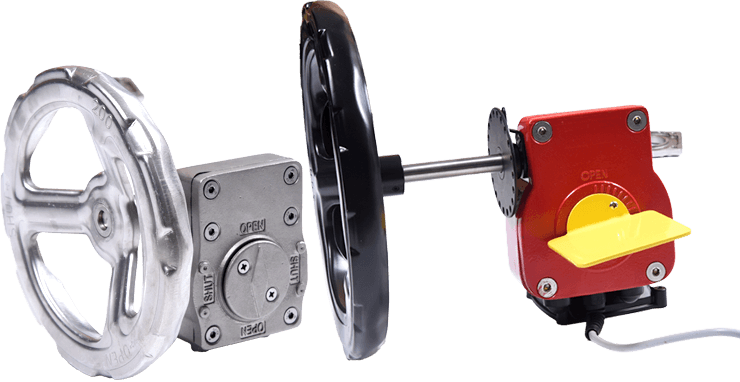
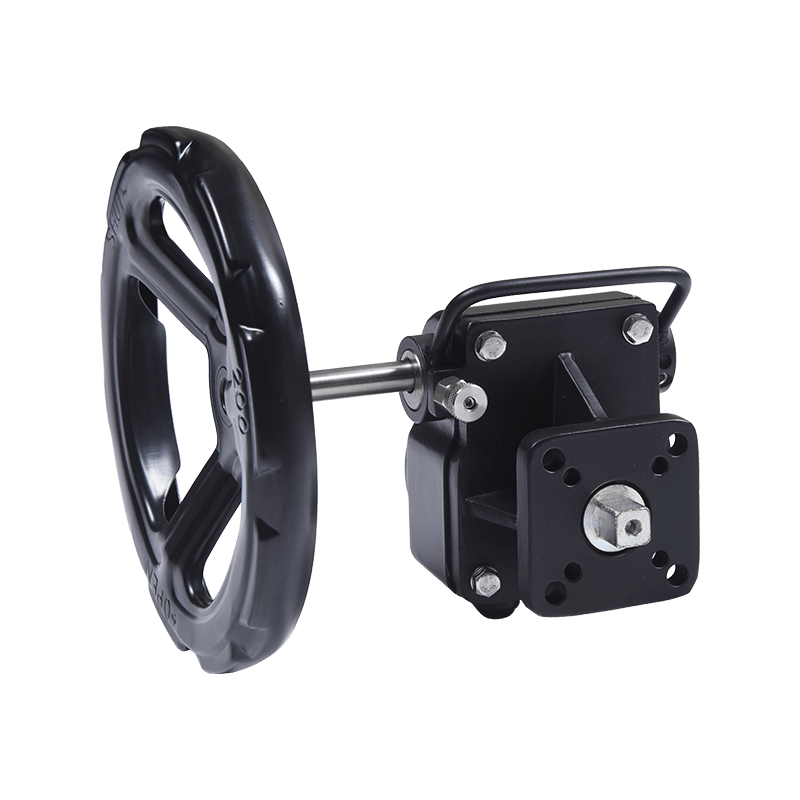
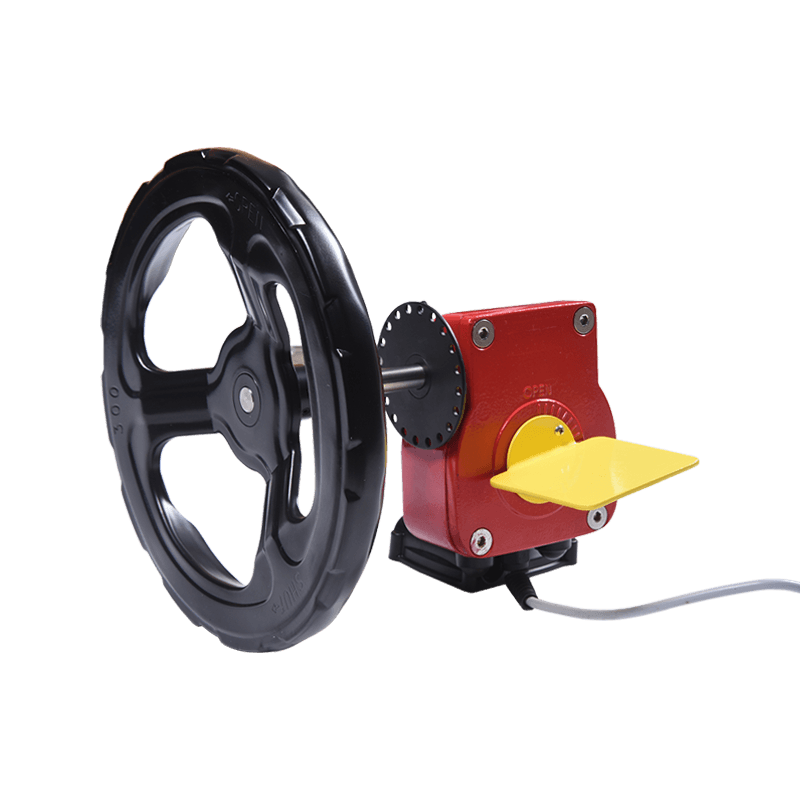
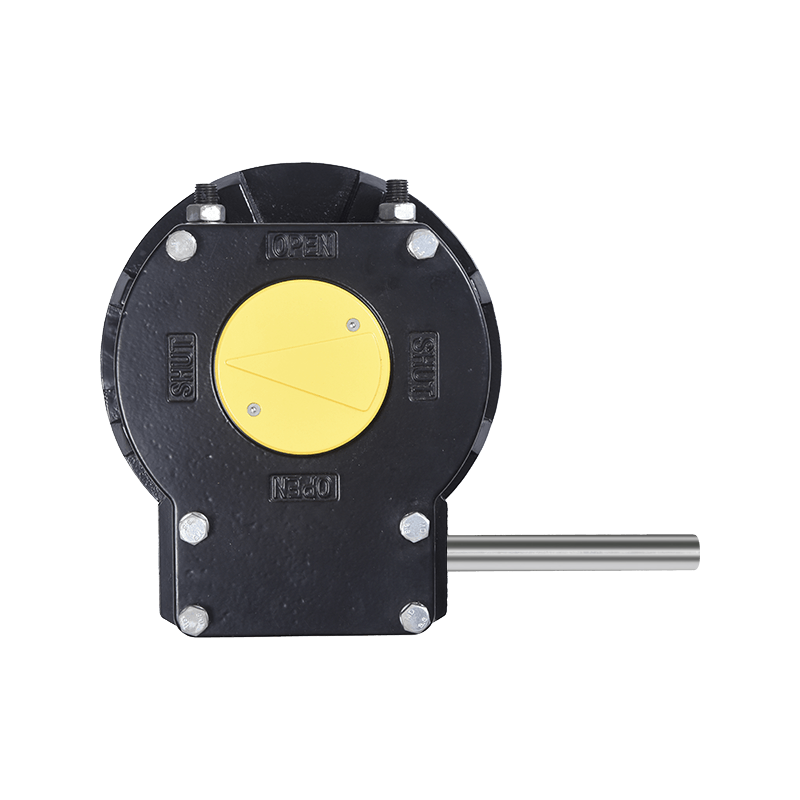
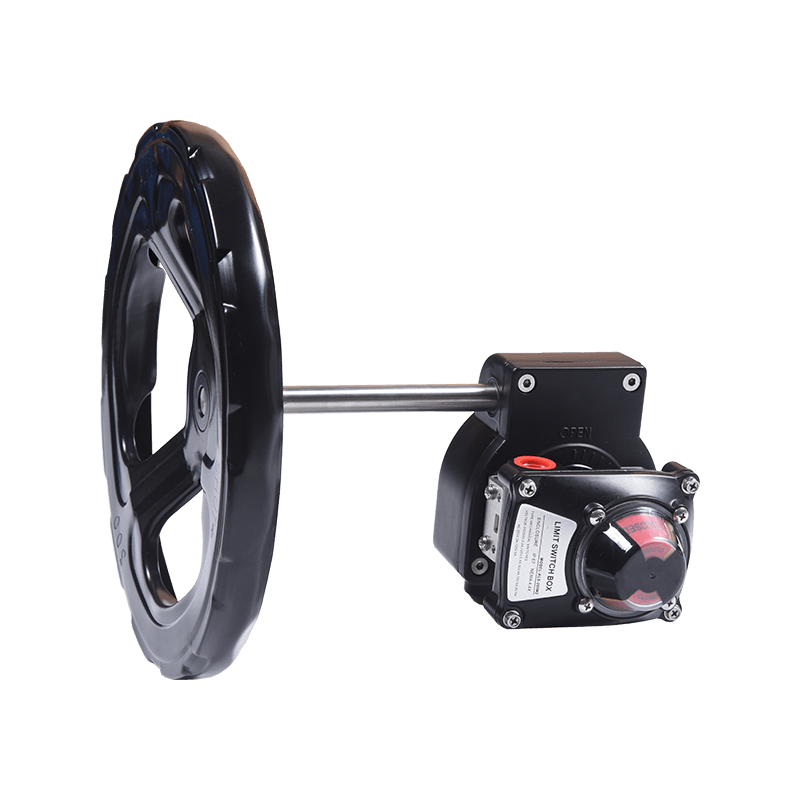
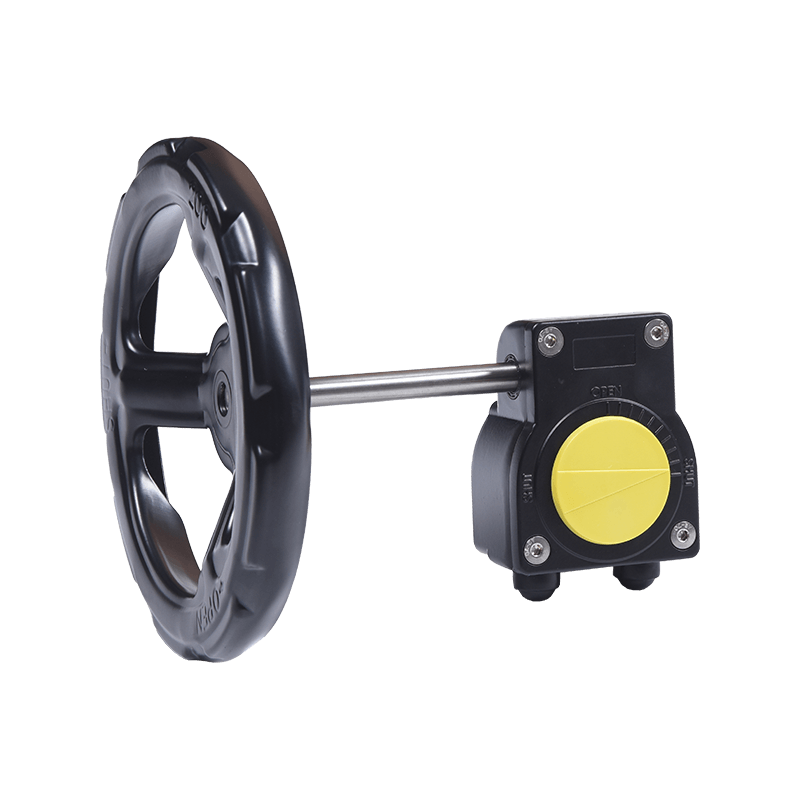
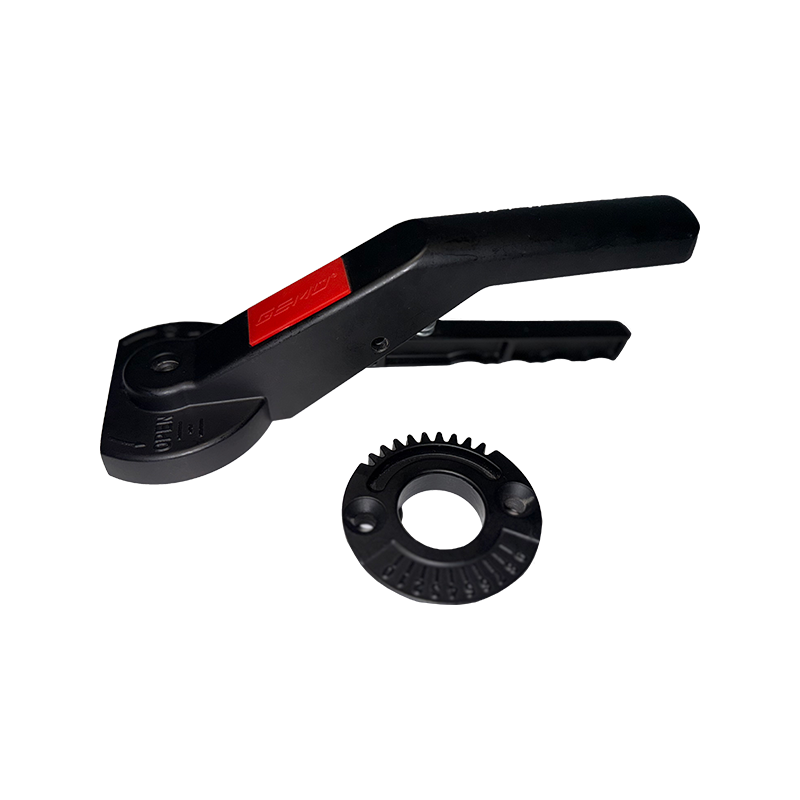
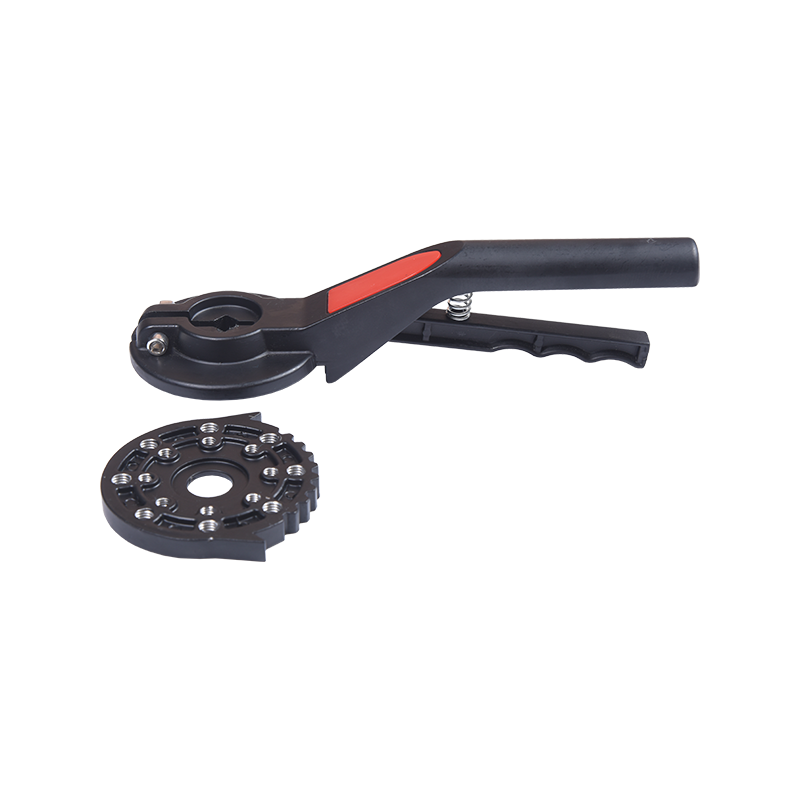
gearboxes, pneumatic actuators, hand levers, and other precision-engineered industrial parts.
All products are customizable under OEM/ODM programs with tailored mechanical properties and surface finishing.
  • Part-turn Gearbox
    Part-turn Gearbox
  • Butterfly valve hand lever
    Butterfly valve hand lever
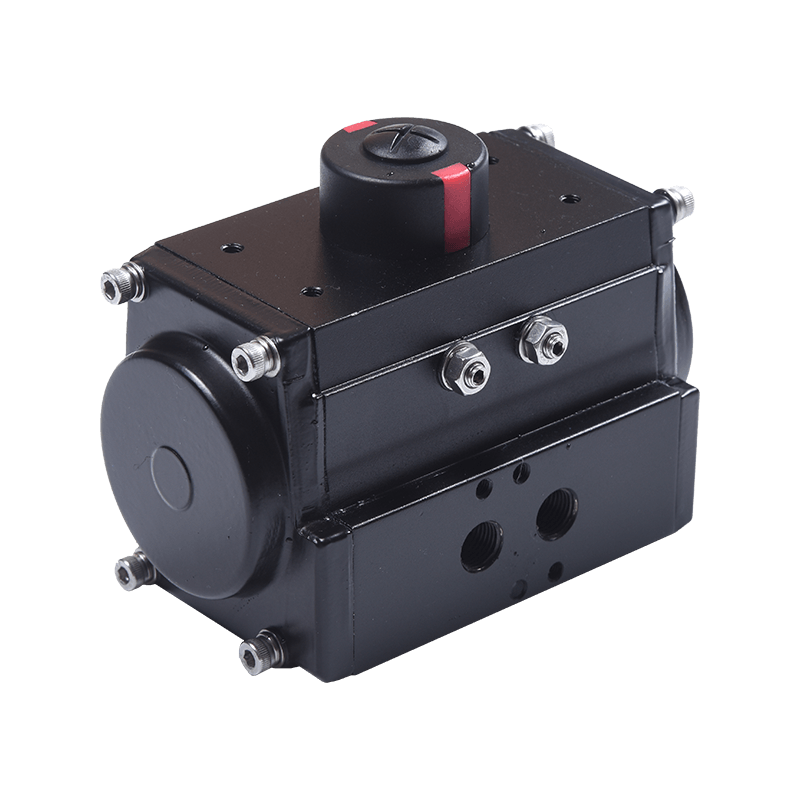
  • Pneumatic Actuator
    Pneumatic Actuator
Proprietary Technologies for Advanced Aluminum Casting Solutions
At Hawks, innovation is perfectly integrated with precision manufacturing.
Through independent casting technology and an integrated production system, we provide high-performance aluminum alloy components for marine engineering, energy, automation, national defense and other fields. Every detail is based on the standards of reliability and precision.
DIE CAST SOLUTIONS
Diverse Industries
Our components serve as the foundation for reliability and efficiency across multiple industrial and energy systems worldwide.
  • Ningbo Hawks Auto Parts Co., Ltd.
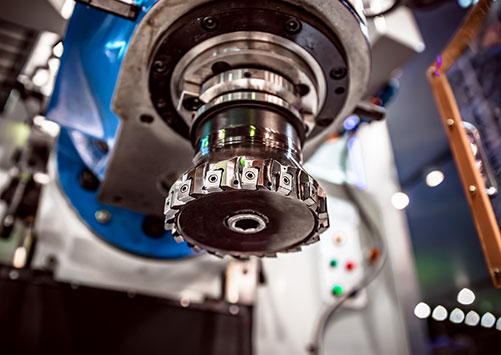
    General Industry
    High-precision motion and assembly components
  • Ningbo Hawks Auto Parts Co., Ltd.
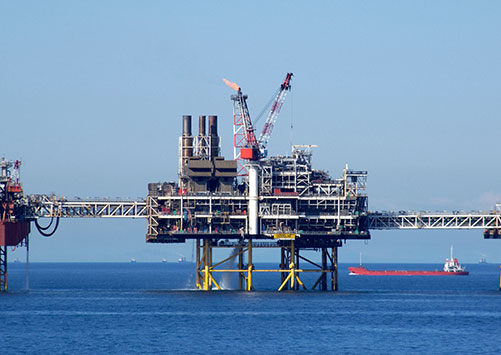
    Marine & Offshore
    Anti-corrosion aluminum structures and sealing systems
  • Ningbo Hawks Auto Parts Co., Ltd.
    Oil & Gas
    Valve actuator housings and fluid control parts.
  • Ningbo Hawks Auto Parts Co., Ltd.
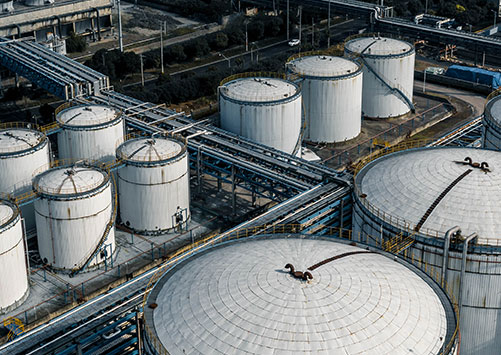
    Chemical & Petrochemical
    Explosion-Proof Control Assembly
  • Ningbo Hawks Auto Parts Co., Ltd.
    Power & Energy
    Transmitter and Regulating Mechanism
  • Ningbo Hawks Auto Parts Co., Ltd.
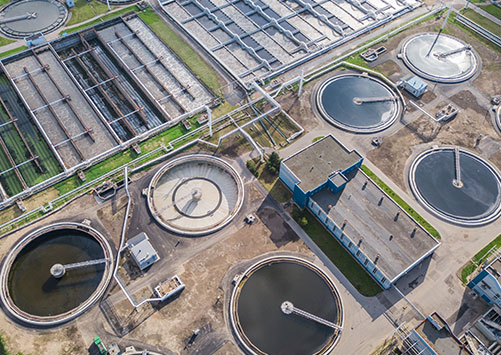
    Water Treatment
    Valve control and motion transmission assemblies
Our Capabilities
Ningbo Hawks Auto Parts Co., Ltd.
Integrated Manufacturing

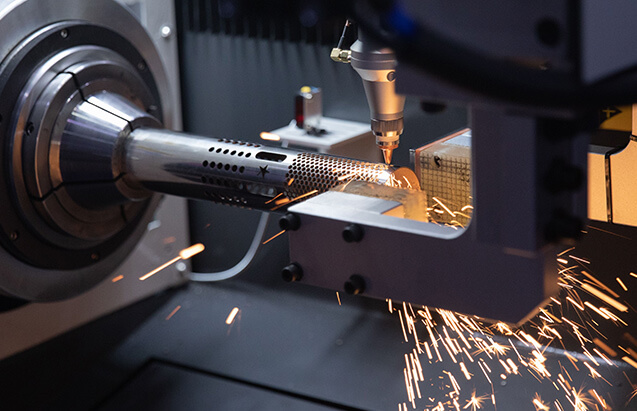
Hawks offers a fully integrated in-house production chain — including alloy smelting, gravity and die casting, heat treatment, CNC machining, surface finishing, and assembly testing.

This vertical integration ensures full process control, stable quality, and agile customization.

Advanced Production Facilities
CMM inspection, spectrometer, tensile tester, and more
  • 3
    3 Non-ferrous smelting furnaces
  • 20
    20 Gravity casting machines
  • 6
    6 Die-casting units (180T–800T)
  • 6
    6 Automated assembly lines
  • 50+
    50+ CNC machining centers
Engineering Excellence

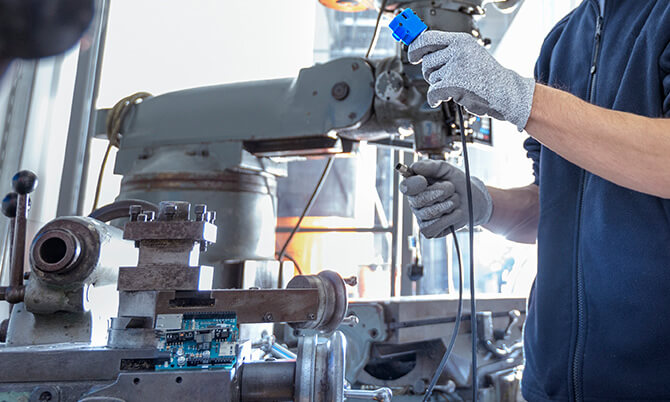
Our dedicated engineering center combines professional mold design with CAE simulation,

enabling co-development, structural optimization, and performance validation — helping clients accelerate product launch and ensure reliability.

Ningbo Hawks Auto Parts Co., Ltd.
Die Casting Insights & Resources
Explore the science behind precision casting.
From design tips to process innovation, Hawks shares insights that help engineers and partners achieve better results.
  • 2026
    Ningbo Hawks Auto Parts Co., Ltd.
    05.21
    Expanding Multi-Field Applications Drive Steady Growth of Customized Precision Component Market
    The continuous iteration of downstream industries including motorcycle complete vehicle supporting, industrial fluid valve control and automatic transmission equipment has driven growing market demand for high-end aluminum alloy precision castings, machined parts and assembled components. The terminal market’s increasing requirements for lightweight, high-precision, durable and highly adaptable components have urged upstream manufacturers to strengthen synchronous R&D, customized production and flexible delivery capabilities. In addition, the overseas market demand for high-end industrial equipment is expanding steadily. With mature process systems and stable product quality, domestic precision component manufacturers are further expanding export channels. Diversified market application has become a core growth driver for the long-term development of enterprises in the industry.

    Read More
  • 2026
    Ningbo Hawks Auto Parts Co., Ltd.
    05.21
    Standardized Quality System & Safety Certification Become Industry Necessities
    As global entry standards for high-end equipment, oil and gas chemical, mining fluid control and other fields continue to tighten, the precision component industry presents an increasingly standardized and compliant development trend. Standardized quality management systems and full-process quality inspection mechanisms have been widely adopted across the industry. Meanwhile, professional international certifications for explosion proofing, corrosion resistance and high-pressure resistance have become essential entry requirements for industrial fluid components to enter overseas markets and high-end supporting projects. The industry competition logic has undergone fundamental changes, shifting from low-price competition to comprehensive competition in process accuracy, quality stability, compliance safety and long-term reliability. This trend continuously eliminates backward production capacity and promotes the overall upgrading of the industry toward high quality, high safety and high added value.

    Read More
  • 2026
    Ningbo Hawks Auto Parts Co., Ltd.
    05.21
    Iteration of Precision Casting Technology Empowers Quality Upgrading of Industrial & Motorcycle Components
    Supported by optimized casting processes, precise temperature control and upgraded forming technologies, the domestic precision casting industry continues to achieve technological breakthroughs, fully meeting the production requirements of high-end components with special-shaped structures, thin-wall pressure-bearing designs and complex flow channels. The new generation of precision casting technology effectively eliminates inherent defects of traditional crafts such as pores, deformation and shrinkage porosity, greatly improving the dimensional accuracy, surface finish and structural compactness of components while reducing subsequent machining loss. At present, the technology is widely applied in castings for locomotive power systems, braking systems and frames, as well as core industrial products including valve control, transmission and pneumatic actuator components. It comprehensively enhances the corrosion resistance, pressure resistance and operational stability of components, adapts to long-term operation under diverse complex working conditions, and improves the quality and efficiency of terminal equipment.

    Read More
  • 2026
    Ningbo Hawks Auto Parts Co., Ltd.
    05.21
    Vertically Integrated Manufacturing Becomes Mainstream Upgrade Trend for Precision Component Industry
    The domestic precision component manufacturing industry is rapidly phasing out fragmented OEM production models, with full-process vertically integrated manufacturing becoming the core direction of industrial upgrading. The industry has realized closed-loop management covering smelting and casting, precision machining, surface treatment and intelligent assembly. By unifying production standards, connecting process links and strengthening full-process quality control, it effectively solves industrial pain points such as quality fluctuation, delayed delivery and uncontrollable costs caused by traditional segmented production. As the entry thresholds of downstream high-end equipment, fluid control and locomotive supporting industries continue to rise, manufacturing systems with independent full-process production capabilities have become core competitiveness to guarantee product stability, delivery efficiency and comprehensive cost performance, driving the industry’s transformation from extensive processing to refined, standardized and systematic high-end manufacturing.

    Read More
  • 2026
    Ningbo Hawks Auto Parts Co., Ltd.
    05.21
    Advances in Precision Casting Technology Enable Upgrades for Multi-Sector Components
    With the continuous iteration of municipal water treatment, fluid control, industrial transmission and high-end equipment industries, downstream scenarios have put forward higher standards for the forming accuracy, structural stability and environmental adaptability of core components. The shortcomings of traditional casting processes, such as insufficient precision, large machining allowance and frequent surface defects, have become increasingly prominent. In this context, the continuous breakthrough and industrial application of precision casting technology have provided critical technical support for the lightweight, high-precision and high-durability upgrading of core components in multiple fields.
    In the manufacturing of valve control components, transmission parts and core fluid machinery accessories, most components feature special-shaped structures, complex flow channels and thin-wall pressure-bearing designs. Conventional casting methods are prone to defects such as pores, shrinkage porosity and deformation, which not only require extensive subsequent machining correction, but also lead to poor product consistency and insufficient service life, failing to meet the long-term operation requirements of complex working conditions in water treatment and municipal engineering.
    By optimizing the mold forming system, accurately regulating smelting temperature and solidification rate, and upgrading dewaxing and precision forming processes, the new generation of precision casting technology realizes near-net shape forming of components. This technology greatly reduces machining allowance, effectively avoids internal structural defects caused by traditional processes, and significantly improves the dimensional accuracy, surface finish and structural compactness of components, fundamentally solving core problems such as precision deviation, insufficient pressure resistance and poor corrosion resistance of precision parts.
    Compared with traditional processes, the upgraded precision casting technology has multiple core advantages. In terms of quality, the internal structure of components is more uniform, and the consistency of batch production is greatly improved, which effectively reduces the probability of leakage, wear and failure, perfectly adapting to harsh working conditions such as municipal water environment, fluid valve control and industrial transmission. In terms of efficiency, it simplifies subsequent processing procedures, shortens the production cycle, reduces material loss and processing costs, and greatly improves the delivery efficiency and cost advantage of enterprises in batch customized production.
    Relying on mature precision casting technology, core water treatment and municipal components such as valve control systems and transmission assemblies have achieved all-round upgrades in material stability, dimensional accuracy and operation durability. They can withstand complex working conditions such as alternating high and low temperatures, medium corrosion and high-pressure impact for a long time, ensuring the stable, safe and long-term operation of fluid control and transmission equipment.
    Industry insiders point out that precision casting is a core basic process for high-end component manufacturing and a key link connecting precision forming and efficient production. As equipment in various industries upgrades towards precision, intelligence and durability, precision casting technology will continue to iterate. Combined with digital control and intelligent forming technology, it will further improve the precision manufacturing capability of various components, and continuously empower the high-quality development of municipal environmental protection, industrial automation, high-end fluid equipment and other industries.

    Read More
  • 2026
    Ningbo Hawks Auto Parts Co., Ltd.
    05.21
    Vertically Integrated Manufacturing Models Drive Efficiency and Quality Gains in Precision Components
    Industry Update — Amid rising demands for ultra-precise, high-reliability components across water treatment, municipal engineering, industrial automation, and advanced machinery sectors, vertically integrated manufacturing has emerged as a transformative strategy to resolve longstanding pain points in traditional outsourced production chains, delivering substantial improvements in operational efficiency and product consistency.
    Precision components, including specialized valve control parts, transmission components, and core mechanical accessories, require micron-level machining accuracy, stable material performance and zero-defect batch delivery. For years, fragmented manufacturing workflows — with separate suppliers responsible for mold development, precision machining, surface treatment, testing, and assembly — have led to process disconnection, prolonged lead times, inconsistent quality standards, and elevated operational risks. Minor deviations in any upstream link would amplify in subsequent procedures, resulting in increased product failure rates and higher comprehensive production costs.
    Against this industrial backdrop, forward-looking precision manufacturing enterprises have fully adopted vertically integrated manufacturing models, realizing full-process in-house control from raw material procurement, tooling design, and CNC precision machining to automated assembly, high-precision metrology testing, and final product delivery. By unifying all core production and quality control links under a closed-loop internal system, manufacturers eliminate third-party supplier uncertainties and process docking errors that commonly plague segmented production modes.
    The integrated production framework brings dual breakthroughs in efficiency and quality. In terms of operational efficiency, centralized process management drastically shortens production cycles, cuts cross-party communication costs, and reduces supply chain delay risks. Industry data shows that standardized vertical integration workflows can reduce overall production lead time by over 20% and effectively avoid capacity losses caused by process connection failures. Meanwhile, in-house full-process production optimizes resource allocation, lowers marginal production costs, and enhances flexible response capabilities for customized precision component orders.
    In terms of quality optimization, the model enables real-time, full-range quality supervision throughout the manufacturing lifecycle. Manufacturers deploy unified quality standards, built-in detection sensors, and closed-loop error compensation systems in every production procedure, achieving synchronous processing and inspection. This strict whole-process quality control significantly improves product stability and batch consistency, raising the yield rate of complex precision components to an advanced industry level and effectively solving the quality fluctuation problems caused by multi-supplier collaboration.
    For core components applied in water treatment and municipal valve control and transmission systems, vertical integration delivers more prominent practical value. Such components require excellent pressure resistance, corrosion resistance, and operational stability to adapt to complex municipal and water environment working conditions. Full independent process control ensures precise matching of material parameters, machining dimensions, and assembly accuracy, guaranteeing the long-term reliable operation of fluid control and transmission equipment.
    Industry analysts point out that as downstream industries continue to upgrade in intelligence and high precision, the threshold for precision component manufacturing will keep rising. Vertical integration is no longer an optional competitive advantage but a core operational capability for high-end component manufacturers. Moving forward, the deep integration of vertical manufacturing modes with automation, digital monitoring, and intelligent detection technologies will further empower the precision manufacturing industry, driving continuous iteration of product quality and production efficiency and supporting the high-quality development of downstream municipal engineering, environmental protection, and industrial equipment fields.
    Read More