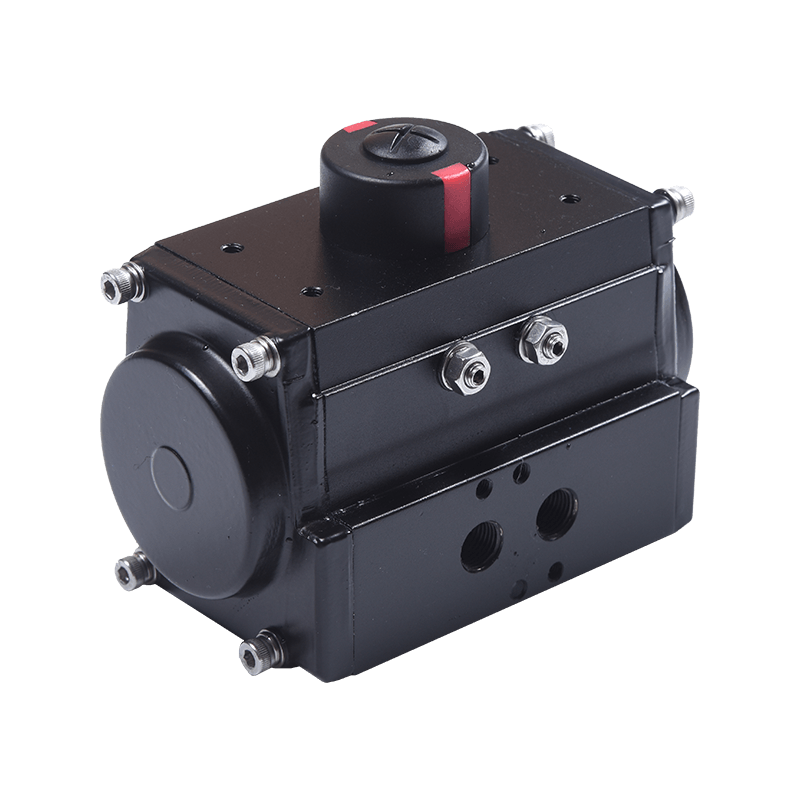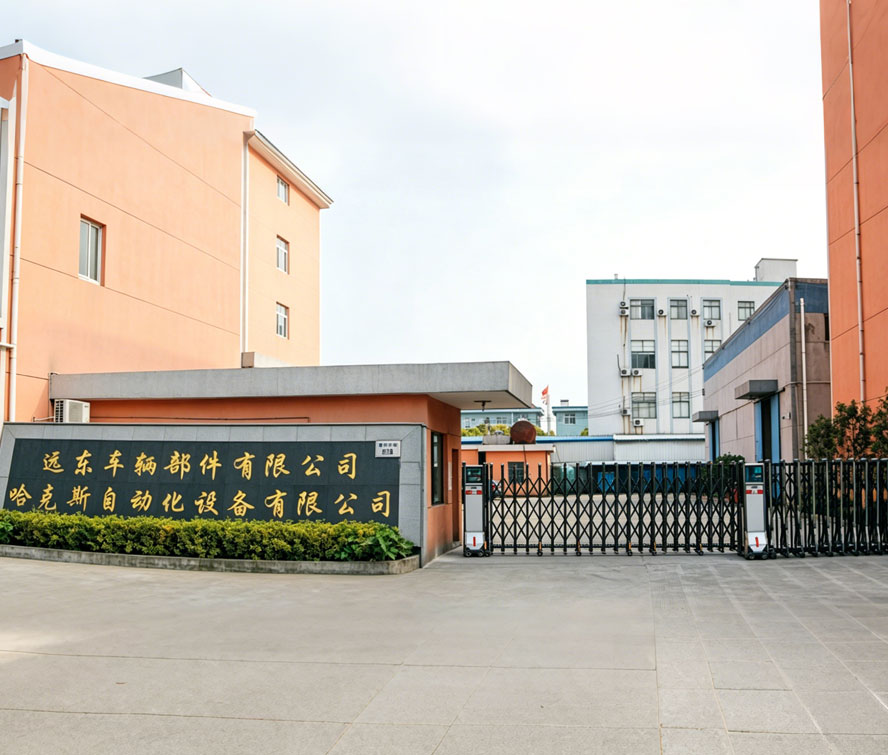
Pneumatic Valve Actuator Factory

Home / Products / Pneumatic Actuator

Industrial Pneumatic Valve Actuator Manufacturers

  • 10 series Pneumatic Actuator
    Designing Features of Hawks 10 Series Pneumatic Actuator Extruded aluminum ASTM6005 body with both internal and external...
Company
Ningbo Hawks Auto Parts Co., Ltd.

Ningbo Hawks Auto Parts Co., Ltd. is a high-tech enterprise based in Ningbo, a central hub of Chinese manufacturing. As a professional Custom Industrial Pneumatic Valve Actuator Factory and Industrial Pneumatic Valve Actuator Manufacturers, we integrate R&D, precision casting, machining, and assembly into our operations. With a modern factory spanning 30,000 square meters, we are dedicated to providing high-quality, highly reliable critical components for clients in the motorcycle and industrial sectors.

Our positioning goes beyond that of a traditional component supplier. Through a deeply vertically integrated manufacturing model, we maintain autonomous control over the entire production process, from raw material smelting and casting to precision machining, surface treatment, and final assembly. This effectively ensures consistent product quality, on-time delivery, and controllable costs.

1. Our Core Strengths and Hardware Capabilities

Our core advantages are built upon substantial hardware investment and a complete process chain.

Complete Process Chain and Advanced Equipment: We possess a full set of equipment from blank manufacturing to final assembly, ensuring full-process quality control.

Smelting and Casting: 3 non-ferrous metal smelting electric furnaces: Ensure the purity and precise composition of aluminum alloy raw materials.

20 metal gravity casting machines and 6 die-casting machines: Cover a wide range of casting needs from complex thin-walled parts to high-strength structural components, providing flexible casting solutions.

Heat Treatment and Surface Treatment: 6 heat treatment equipment units: Provide treatments such as T6, solution, and aging to significantly enhance the mechanical properties of castings.

2 shot blasting machines, 2 vibratory finishers, 10 polishing machines: Used for workpiece cleaning, deburring, and surface finishing.

300-meter automated painting line: Capable of applying primer and topcoat to meet various appearance and anti-corrosion requirements.

3 ultrasonic cleaning machines: Achieve thorough cleaning of deep holes and complex structures, ensuring assembly quality.

Precision Machining: 5 machining centers, 18 CNC lathes, 30 conventional lathes, 10 milling machines: Form a robust machining cluster with capabilities including turning, milling, drilling, and tapping, enabling efficient completion of high-precision, complex parts machining.

Final Assembly: 6 specialized assembly lines: Ensure efficient, orderly, and standardized assembly and testing of component assemblies.

2. Technology-Driven and Quality Commitment

Engineering Team: We have an experienced R&D team with the capability for synchronous development with customers.

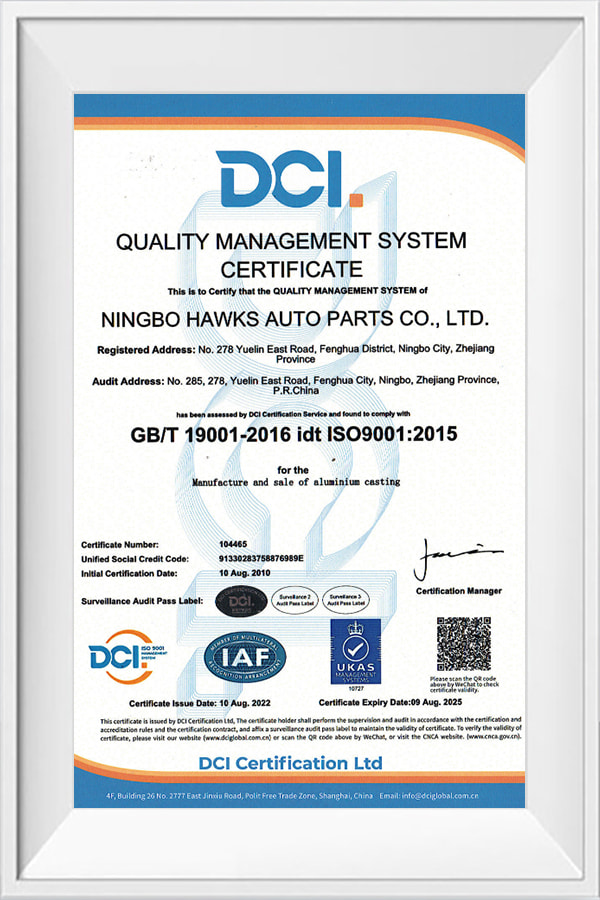
ISO 9001 Quality Management System: This forms the foundational quality management framework for our entire operation.

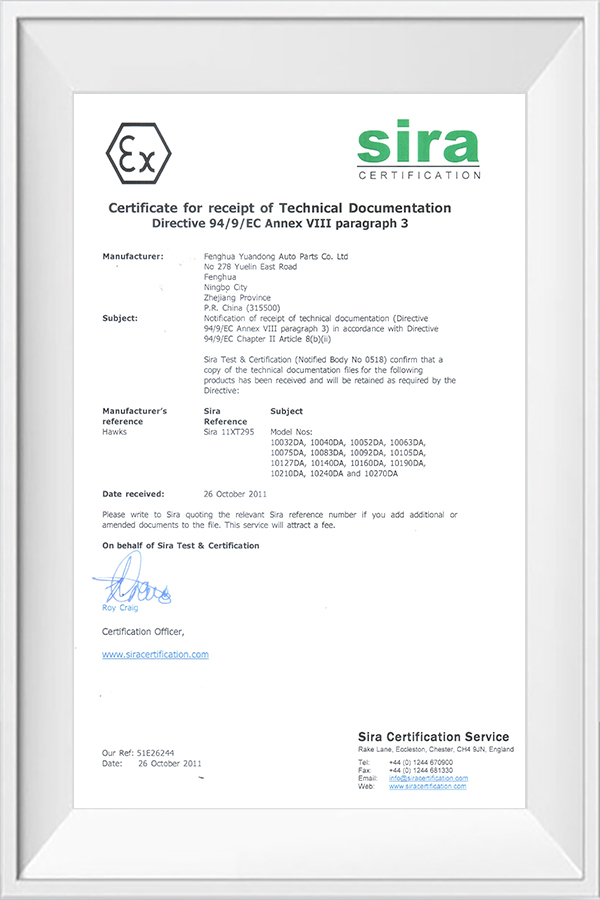
International Explosion-Proof Certifications: International Explosion-Proof Certifications, such as ATEX and IECEx: These key certifications are mandatory passes for our industrial valve actuators, gearboxes, and other products to enter potentially explosive atmospheres in sectors like oil, natural gas, chemicals, and mining. They prove our products are fully compliant with international explosion-proof standards in design and manufacturing, ensuring a high level of safety and reliability in hazardous environments. This provides crucial safety assurance and compliance for our global industrial customers.

3. Diversified Market Application Experience

Our products are successfully applied in two major sectors, giving us broader technical vision and more innovative solutions.

Motorcycle Sector: Supplies high-quality aluminum alloy castings and machined parts for engines, frames, and braking systems.

Industrial Sector: Supplies gearboxes, handles, and pneumatic actuators to the valve industry, with products exported overseas.
News
Certificate Of Honor
  •  CE(ATEX)
  •  ISO9001 Quality System Certificate
Pneumatic Actuator Industry knowledge

1. Pneumatic Valve Actuator for Modern Industrial Valve Automation

A Pneumatic Valve Actuator converts compressed air into mechanical motion, allowing industrial valves to open, close, or modulate automatically. In process plants, pneumatic actuation remains widely used because compressed air systems can deliver fast response, repeatable movement, and reliable operation in demanding environments. For quarter-turn applications, rack-and-pinion pneumatic actuators are commonly paired with butterfly, ball, and plug valves.

For engineering teams, valve automation should not be based only on actuator size. The correct selection depends on valve torque, operating pressure, cycle frequency, fail-safe requirements, mounting interface, environmental conditions, and feedback requirements. ISO 5211:2026 is now the current international standard for part-turn actuator attachments, replacing the withdrawn 2023 edition. ISO 5115:2023 also provides current guidance for selecting and assembling actuated part-turn valve packages, including pneumatic actuators.

2. How a Pneumatic Actuator Works

(1)Rack-and-Pinion Operating Principle

A typical Pneumatic Actuator uses compressed air to move pistons inside an actuator body. The piston movement drives a rack, which rotates a pinion shaft and produces quarter-turn output. A 90-degree rotation is suitable for most butterfly and ball valve applications. The basic design is mechanically simple, which helps reduce maintenance requirements when the air supply is properly filtered and lubricated where required.

(2)Double-Acting and Spring-Return Designs

Double-acting actuators use compressed air for both opening and closing. They are suitable when the control system requires pneumatic force in both directions or when a fail-in-last-position strategy is acceptable. Spring-return actuators use air for one direction and mechanical springs for the return stroke, making them suitable for fail-open or fail-closed applications. Current industrial actuator guidance continues to distinguish these configurations according to the required safety function.

  • Double-acting: pneumatic power is used for both directions.
  • Spring-return: compressed air drives one direction while springs provide the return action.
  • Fail-close: the valve moves toward the closed position when the pneumatic supply is lost.
  • Fail-open: the valve moves toward the open position when the pneumatic supply is lost.

3. Selecting a Pneumatic Actuator for Butterfly Valve Applications

(1)Torque Is the Primary Sizing Factor

When selecting a pneumatic actuator for butterfly valve applications, engineers should start with the valve torque curve rather than simply choosing an actuator by valve diameter. Butterfly valves can require different torque values during breakaway, running, and seating. For example, if a valve requires 40 Nm breakaway torque and the project specifies a 20% engineering margin, the minimum design basis would be 48 Nm before considering additional application-specific requirements.

Actuator output must remain adequate throughout the complete operating cycle. Emerson actuator sizing guidance, for example, emphasizes using the valve torque characteristic and a defined safety factor when selecting rack-and-pinion actuators.

Selection Parameter Typical Engineering Consideration Why It Matters
Valve torque Breakaway, running and seating torque Determines required actuator output
Air pressure Actual minimum operating pressure Directly affects available torque
Safety function Fail-open, fail-close or fail-last-position Defines actuator configuration
Cycle frequency Cycles per hour/day Influences durability and maintenance
Key parameters for industrial pneumatic actuator sizing.

4. Why a Pneumatic Actuator With Limit Switch Is Important

(1)Reliable Valve Position Feedback

A pneumatic actuator with limit switch provides electrical feedback confirming whether the automated valve has reached a defined open or closed position. This information can be sent to a PLC, DCS, SCADA system, or other control platform. In industrial automation, feedback is particularly valuable because a command to open a valve does not by itself prove that the valve has physically reached the required position.

(2)Integration With Solenoid Valves

Modern limit switch boxes can combine visual position indication, electrical feedback, and pneumatic control components. Industrial solutions may include multiple cable entries, NAMUR mounting arrangements, position transmitters, and communication options. IP-rated enclosures are also available for applications where protection against dust and water is required.

5. Industrial Pneumatic Actuator Applications and Purchasing Considerations

(1)Common B2B Applications

An Industrial Pneumatic Actuator is commonly specified for water treatment, chemical processing, pharmaceutical production, oil and gas systems, compressed-air utilities, food processing, and general process automation. In these sectors, procurement teams typically evaluate not only purchase price but also service life, replacement availability, documentation, compatibility, delivery consistency, and total cost of ownership.

(2)What OEM Buyers Should Confirm

  1. Required output torque at the actual minimum air pressure.
  2. ISO 5211 mounting interface and shaft dimensions.
  3. Actuator rotation angle and valve operating characteristics.
  4. Double-acting or spring-return configuration.
  5. Limit switch, position indicator, solenoid valve, and feedback requirements.
  6. Operating temperature, humidity, corrosion exposure, and enclosure requirements.

6. Why Manufacturing Capability Matters for Industrial Valve Components

For OEMs and industrial distributors, actuator-related components require consistent dimensions and repeatable manufacturing quality. Hawks Auto Parts Co., Ltd. is China aluminum butterfly valve hand levers manufacturer and factory, we offer professional customization services for butterfly valve hand levers.

Ningbo Hawks Auto Parts Co., Ltd. is a high-tech enterprise based in Ningbo, a central hub of Chinese manufacturing. We integrate R&D, precision casting, machining, and assembly into our operations. With a modern factory spanning 30,000 square meters, we are dedicated to providing high-quality, highly reliable critical components for clients in the motorcycle and industrial sectors.

Our vertically integrated manufacturing model covers raw material smelting and casting, precision machining, surface treatment, and final assembly. The production system includes 3 non-ferrous metal smelting electric furnaces, 20 metal gravity casting machines, 6 die-casting machines, 6 heat-treatment units, 5 machining centers, 18 CNC lathes, 30 conventional lathes, 10 milling machines, and 6 specialized assembly lines. A 300-meter automated painting line and ultrasonic cleaning equipment further support finishing and assembly quality.

This complete process chain helps OEM customers improve dimensional consistency, production traceability, delivery control, and customization efficiency when sourcing aluminum components for industrial valve systems and related equipment.

7. Common Questions About Pneumatic Valve Actuators

Q1. How do I size a pneumatic actuator for a butterfly valve?

Start with the valve manufacturer's torque data, including breakaway, running, and seating torque. Then determine the minimum available air pressure and select an actuator whose output torque exceeds the required valve torque with an appropriate engineering margin. Do not size the actuator only by valve diameter because two valves with the same nominal diameter can have different torque requirements.

Q2. What is the difference between a double-acting and spring-return pneumatic actuator?

A double-acting actuator uses compressed air for both directions of rotation. A spring-return actuator uses pneumatic pressure for one direction and springs for the other. Spring-return designs are commonly selected when the valve must automatically move to a defined safe position after loss of air pressure.

Q3. What is a pneumatic actuator with limit switch used for?

It provides confirmation of valve position to the control system. For example, when a PLC commands a butterfly valve to close, the limit switch can provide a discrete signal confirming that the actuator has reached the configured closed position. This improves process monitoring and helps identify incomplete valve movement.

Q4. What standard is currently used for pneumatic actuator mounting?

As of 2026, ISO 5211:2026 is the current published edition covering part-turn actuator attachments to industrial valves. It specifies relevant flange and driving-component dimensions and reference torque values for interfaces. Engineers should confirm the applicable edition and project requirements during procurement.

Q5. Can pneumatic actuators be used with butterfly valves in water treatment?

Yes. Pneumatic actuators are widely used for automated butterfly valves in water processing and other process applications. Selection should consider valve torque, air quality, operating pressure, corrosion exposure, cycle frequency, enclosure protection, and whether position feedback is required.

Q6. What should an OEM specify when purchasing an Industrial Pneumatic Actuator?

An OEM should provide the valve type, nominal size, required torque, operating pressure range, rotation angle, fail-safe requirement, mounting standard, environmental conditions, cycle frequency, and feedback configuration. For customized projects, drawings, material specifications, surface treatment requirements, inspection criteria, and annual demand forecasts can also help suppliers provide a more accurate manufacturing and commercial proposal.