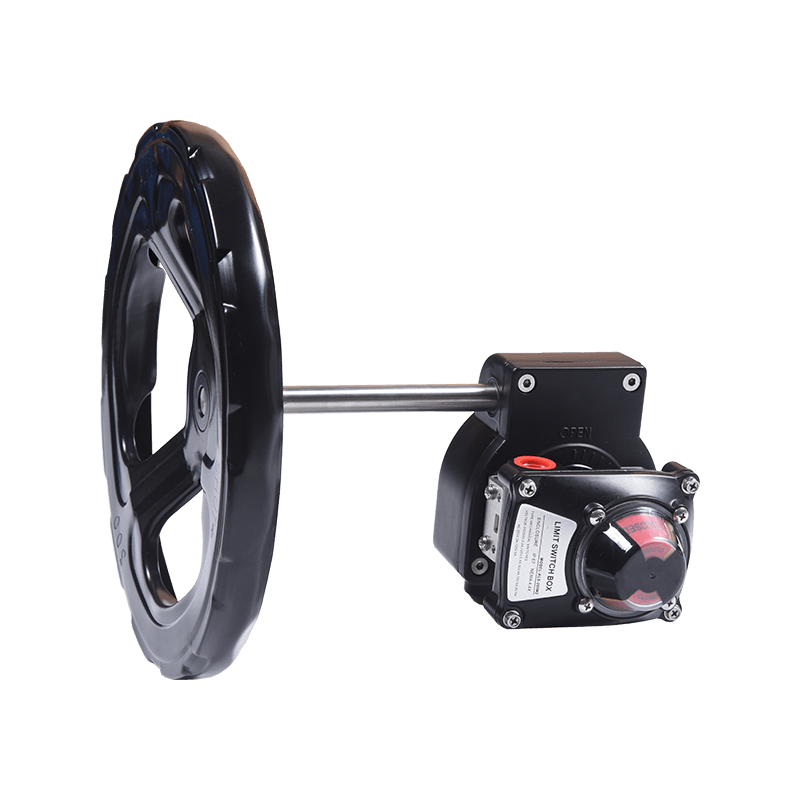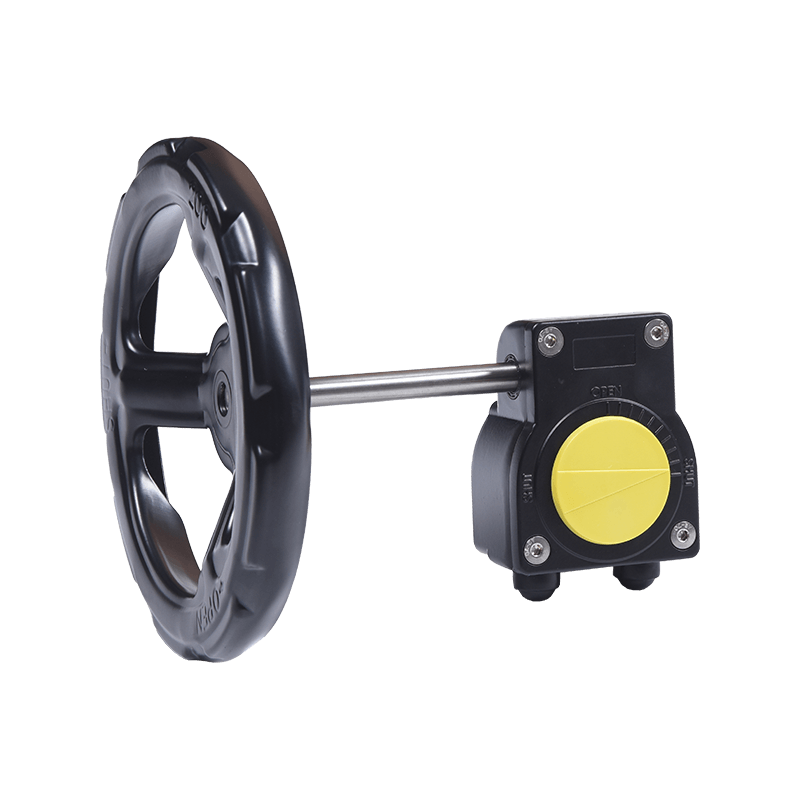
Valve Gearbox Factory

Home / Products / Part-turn Gearbox

Part Turn Gearbox Manufacturers

Company
Ningbo Hawks Auto Parts Co., Ltd.

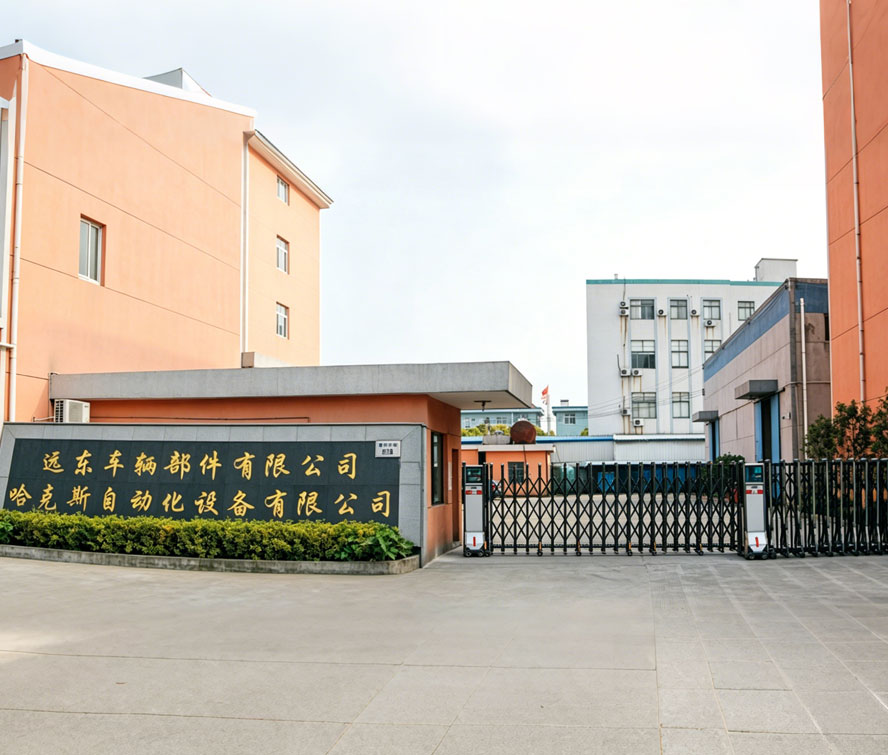
Ningbo Hawks Auto Parts Co., Ltd. is a high-tech enterprise based in Ningbo, a central hub of Chinese manufacturing. As a professional Part-Turn and Manual Gearbox Factory and Part Turn Gearbox Manufacturers, we integrate R&D, precision casting, machining, and assembly into our operations. With a modern factory spanning 30,000 square meters, we are dedicated to providing high-quality, highly reliable critical components for clients in the motorcycle and industrial sectors.

Our positioning goes beyond that of a traditional component supplier. Through a deeply vertically integrated manufacturing model, we maintain autonomous control over the entire production process, from raw material smelting and casting to precision machining, surface treatment, and final assembly. This effectively ensures consistent product quality, on-time delivery, and controllable costs.

1. Our Core Strengths and Hardware Capabilities

Our core advantages are built upon substantial hardware investment and a complete process chain.

Complete Process Chain and Advanced Equipment: We possess a full set of equipment from blank manufacturing to final assembly, ensuring full-process quality control.

Smelting and Casting: 3 non-ferrous metal smelting electric furnaces: Ensure the purity and precise composition of aluminum alloy raw materials.

20 metal gravity casting machines and 6 die-casting machines: Cover a wide range of casting needs from complex thin-walled parts to high-strength structural components, providing flexible casting solutions.

Heat Treatment and Surface Treatment: 6 heat treatment equipment units: Provide treatments such as T6, solution, and aging to significantly enhance the mechanical properties of castings.

2 shot blasting machines, 2 vibratory finishers, 10 polishing machines: Used for workpiece cleaning, deburring, and surface finishing.

300-meter automated painting line: Capable of applying primer and topcoat to meet various appearance and anti-corrosion requirements.

3 ultrasonic cleaning machines: Achieve thorough cleaning of deep holes and complex structures, ensuring assembly quality.

Precision Machining: 5 machining centers, 18 CNC lathes, 30 conventional lathes, 10 milling machines: Form a robust machining cluster with capabilities including turning, milling, drilling, and tapping, enabling efficient completion of high-precision, complex parts machining.

Final Assembly: 6 specialized assembly lines: Ensure efficient, orderly, and standardized assembly and testing of component assemblies.

2. Technology-Driven and Quality Commitment

Engineering Team: We have an experienced R&D team with the capability for synchronous development with customers.

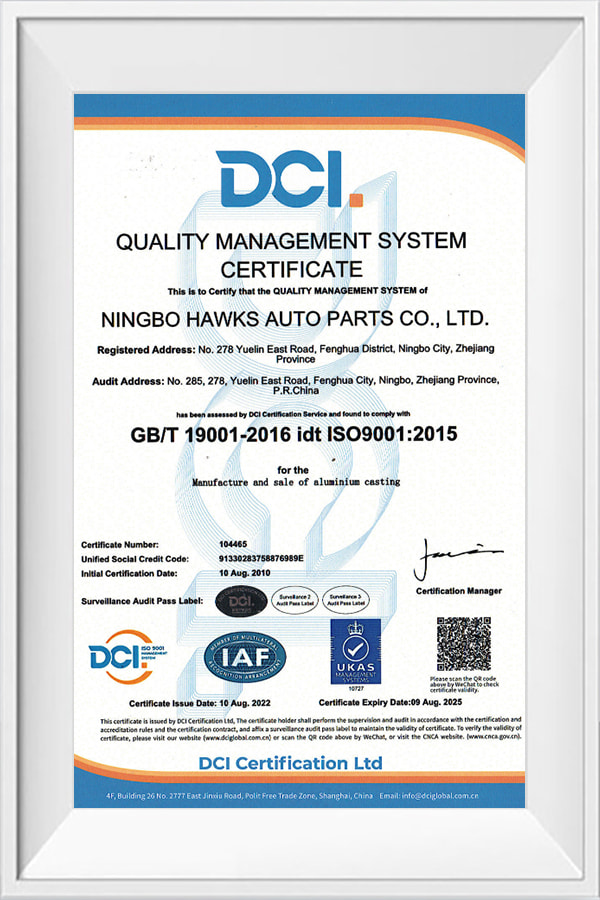
ISO 9001 Quality Management System: This forms the foundational quality management framework for our entire operation.

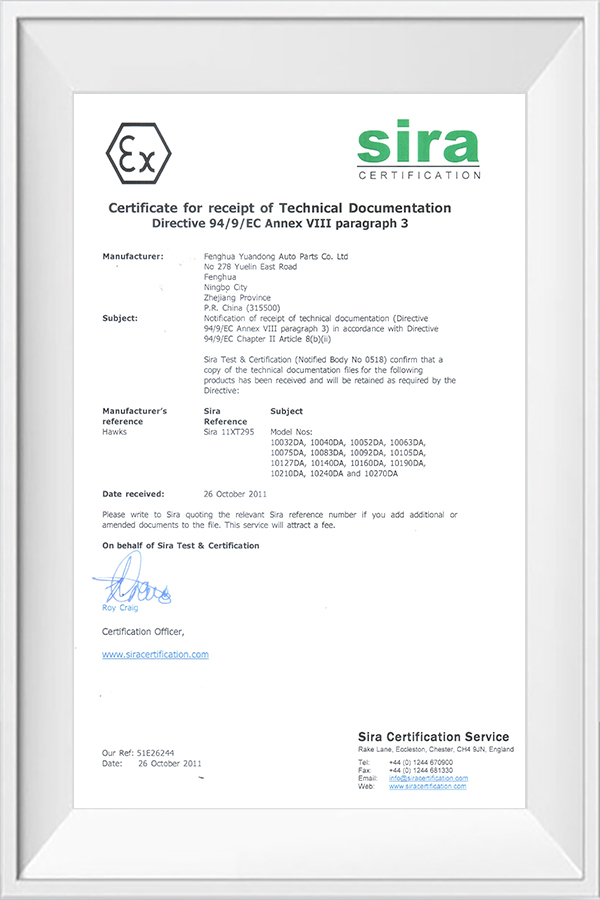
International Explosion-Proof Certifications: International Explosion-Proof Certifications, such as ATEX and IECEx: These key certifications are mandatory passes for our industrial valve actuators, gearboxes, and other products to enter potentially explosive atmospheres in sectors like oil, natural gas, chemicals, and mining. They prove our products are fully compliant with international explosion-proof standards in design and manufacturing, ensuring a high level of safety and reliability in hazardous environments. This provides crucial safety assurance and compliance for our global industrial customers.

3. Diversified Market Application Experience

Our products are successfully applied in two major sectors, giving us broader technical vision and more innovative solutions.

Motorcycle Sector: Supplies high-quality aluminum alloy castings and machined parts for engines, frames, and braking systems.

Industrial Sector: Supplies gearboxes, handles, and pneumatic actuators to the valve industry, with products exported overseas.
News
Certificate Of Honor
  •  CE(ATEX)
  •  ISO9001 Quality System Certificate
Part-turn Gearbox Industry knowledge

1、Valve Gearbox: A Practical Guide for Industrial Valve Applications

A Valve Gearbox is a mechanical transmission system designed to increase or control the torque required to operate industrial valves. In B2B applications, valve gearboxes are widely used with butterfly valves, ball valves, gate valves, globe valves, and other large or high-resistance valves where direct manual operation is difficult or impractical. By converting a relatively small input force into higher output torque, a properly selected gearbox can improve operating reliability, safety, and installation flexibility.

For procurement teams, valve manufacturers, engineering contractors, and industrial equipment distributors, gearbox selection should not be based on output torque alone. Buyers should evaluate valve type, required operating angle, mounting interface, reduction ratio, manual operating force, environmental conditions, duty cycle, material, sealing performance, and future automation requirements.

The latest ISO 5211:2026 standard for industrial valve part-turn actuator attachments was published in February 2026, replacing the previous 2023 edition. This makes interface compatibility an especially important consideration for current industrial valve projects.

2、Part Turn Gearbox for Quarter-Turn Valve Control

(1)What Is a Part Turn Gearbox?

A Part Turn Gearbox transmits torque to a valve through less than one complete revolution. It is particularly suitable for butterfly and ball valves that normally require approximately 90 degrees of rotation between the fully closed and fully open positions. The gearbox reduces the required input force while delivering the torque needed at the valve stem or shaft.

Modern part-turn gearboxes can be operated manually with a handwheel or integrated with a multi-turn actuator for automated valve operation. Depending on the design, industrial systems can cover a very wide torque range. For example, commercially available part-turn gearbox systems can reach output torque levels of hundreds of thousands of Nm, demonstrating their suitability for large-diameter industrial valves.

(2)Why Butterfly Valves Commonly Use Part Turn Gearboxes

Butterfly valves are compact and efficient, but the operating torque can increase significantly with valve size, pressure, temperature, sealing design, and service conditions. A Part Turn Gearbox provides mechanical advantage and allows operators to control larger valves with a manageable handwheel force.

Typical selection considerations for industrial valve gearbox applications.
Application Typical Requirement Key Selection Factor
Butterfly Valve Quarter-turn operation Output torque and ISO 5211 interface
Large Ball Valve High breakaway torque Reduction ratio and mechanical strength
Automated Valve Manual or actuator operation Actuator mounting and duty classification

3、Manual Gearbox Selection for B2B Projects

(1)Manual Gearbox vs Direct Manual Operation

A Manual Gearbox is valuable when the torque required to operate a valve exceeds the practical force that an operator can apply directly. The reduction mechanism increases mechanical advantage, allowing a larger valve to be opened or closed with a controlled handwheel input.

For example, if a valve requires approximately 1,000 Nm of output torque and the gearbox provides a nominal 50:1 reduction ratio, the theoretical input torque before accounting for transmission losses is approximately 20 Nm. Actual input torque depends on gearbox efficiency, friction, temperature, lubrication, and load conditions. Therefore, professional sizing should always use manufacturer test data rather than relying solely on a simple ratio calculation.

(2)Key Technical Parameters

  1. Valve operating torque, including breakaway and seating torque.
  2. Required rotation angle, such as 90 degrees for many butterfly valves.
  3. Gear ratio and allowable manual input force.
  4. Valve mounting dimensions and ISO 5211 compatibility.
  5. Housing material, corrosion resistance, lubrication, and sealing requirements.
  6. Operating temperature, outdoor exposure, dust, moisture, and other environmental conditions.

4、How to Choose a Valve Gearbox Manufacturer

For OEM buyers and industrial distributors, the manufacturer’s production capability is as important as the gearbox specification. A reliable supplier should be able to provide dimensional drawings, torque data, material information, inspection records, customization capability, and stable batch production.

Hawks Auto Parts Co., Ltd. is China valve gearboxes manufacturer and factory, including part-turn, manual and declutch gearboxes for butterfly with OEM customization.

Ningbo Hawks Auto Parts Co., Ltd. is a high-tech enterprise based in Ningbo, a central hub of Chinese manufacturing. We integrate R&D, precision casting, machining, and assembly into our operations. With a modern factory spanning 30,000 square meters, we are dedicated to providing high-quality, highly reliable critical components for clients in the motorcycle and industrial sectors.

Our positioning goes beyond that of a traditional component supplier. Through a deeply vertically integrated manufacturing model, we maintain autonomous control over the entire production process, from raw material smelting and casting to precision machining, surface treatment, and final assembly. This effectively ensures consistent product quality, on-time delivery, and controllable costs.

B2B supplier evaluation points before placing a valve gearbox order.
Evaluation Item What Buyers Should Confirm
Engineering Drawings, torque calculations, interface dimensions
Manufacturing Casting, machining, assembly, and inspection capability
OEM Service Custom dimensions, branding, packaging, and specifications
Quality Material traceability, dimensional inspection, and functional testing

5、Common Questions About Valve Gearbox, Part Turn Gearbox and Manual Gearbox

Q1: What is a Valve Gearbox used for?

A Valve Gearbox is used to transmit and increase torque between an operator or actuator and an industrial valve. It makes large or high-torque valves easier to operate and can provide controlled opening and closing. In B2B projects, it is commonly specified for water treatment, HVAC, power, oil and gas, chemical processing, industrial pipelines, and general process equipment.

Q2: What is the difference between a Part Turn Gearbox and a multi-turn gearbox?

A Part Turn Gearbox transmits torque through less than one revolution at the valve output and is commonly associated with quarter-turn valves such as butterfly and ball valves. A multi-turn gearbox transmits torque through at least one revolution and may also accommodate thrust loads. The correct choice depends on the valve operating mechanism and required travel.

Q3: How do I calculate the correct Manual Gearbox size?

Start with the valve manufacturer's required operating torque, including the highest expected breakaway, running, and seating torque. Then consider a suitable engineering margin and compare the result with the gearbox rated output torque. Do not select a gearbox using valve size alone. A DN200 valve, for example, can have substantially different operating torque depending on pressure, seat design, medium, temperature, and construction.

Q4: Is ISO 5211 important when buying a Part Turn Gearbox?

Yes. ISO 5211 defines important attachment dimensions for part-turn actuators, including flange and driving-component dimensions. The current international edition is ISO 5211:2026, published in February 2026. Buyers should confirm the latest applicable interface dimensions with the gearbox and valve manufacturers before finalizing an OEM design.

Q5: Can a Part Turn Gearbox be used with an electric actuator?

Yes. Many part-turn gearboxes can be manually operated by handwheel and can also be combined with multi-turn actuators for automated valve operation. The actuator must be matched to the gearbox input torque, input flange, speed, travel requirements, and duty classification. For automated applications, the complete actuator-gearbox-valve combination should be evaluated rather than selecting each component independently.

Q6: What should an OEM buyer provide when requesting a Valve Gearbox quotation?

An RFQ should ideally include valve type, valve size, required output torque, operating angle, mounting dimensions, shaft or stem dimensions, handwheel requirements, environmental conditions, quantity, material requirements, surface treatment, packaging, and any branding or OEM requirements. Providing these details allows the manufacturer to recommend a suitable gearbox instead of quoting a generic model.