
 en
 English
 Español

Automated Valve Control Systems
-- Steady & Reliable Manufacturer --
Brief Product Description
An automated valve control system lets a valve be opened, closed or positioned without someone standing next to it. In a typical pneumatic system, a control signal operates a solenoid valve, which directs compressed air to an actuator mounted on the valve. We supply the mechanical actuation layer of such systems: pneumatic actuators, brackets, couplings, manual overrides and the housings that carry them. Buyers include system integrators, valve manufacturers, EPC contractors and plant engineers.
Procurement teams check actuator torque, air pressure range, action type, rotation speed, ISO 5211 interface, temperature rating, material and coating. They also confirm how the actuator fits with their chosen instruments, such as solenoid valves, positioners and limit switch boxes, and whether a manual override is needed.
We make the actuator bodies, covers and mounting hardware in our own factory and assemble them on dedicated lines. Brackets and adapters can be machined to suit the accessories you select. OEM and ODM work covers torque, bore, color and marking. Samples take 15 to 30 days, and MOQ commonly starts at 100 to 300 sets.
Our scope is the mechanical and pneumatic actuation hardware, not control software or electronics. This keeps responsibility clear: you choose the control instruments, and we make sure the actuator and interface parts fit them and the valve accurately.
System Layer Supplied
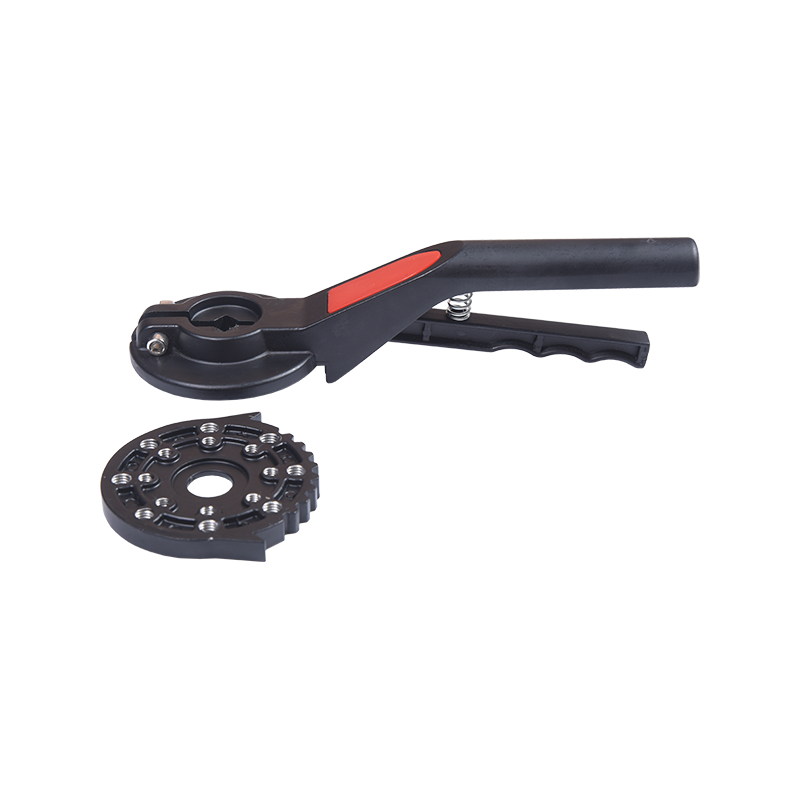
Pneumatic actuator, bracket, coupling, manual override
Action Types
Double acting and spring return
Interface
ISO 5211 F03 to F25
Air Supply
Typically 2.5 to 8 bar
Accessory Mounting
Brackets and adapters per your drawing
Commercial
OEM and ODM, samples, MOQ from 100 sets
Product Overview
An automated valve control system has three layers: the control layer that decides, the signal and air layer that transmits, and the actuation layer that moves the valve. In pneumatic systems, the actuation layer is a rack and pinion actuator whose pistons are driven by compressed air and whose pinion rotates the valve stem through 90 degrees.
The mechanical layer must be dependable because it works for years, often in hard conditions. Aluminum alloy bodies keep weight low and resist corrosion when coated. Spring return versions give a defined safe position when air is lost. A manual override gives operators a backup during maintenance or outages. Careful machining of the pad, drive and bore keeps the entire system aligned, which supports repeatable operation and long seal life.
Layer Supplied
Actuation hardware
Action
Double acting, spring return
Interface
ISO 5211
Certificates
ISO 9001, ATEX, IECEx
Main points for buyers
- System boundary: Define which parts we supply and which control instruments you or the integrator supply.
- Torque and speed: Size the actuator for torque and check cycle time with your air supply.
- Fail-safe logic: Select spring return or double acting to match the safety concept.
- Accessory mounting: Provide drawings for solenoids, positioners or limit switches so brackets can be made to match.
- Air quality: Specify filtration and pressure to protect seals and extend life.
System cost includes actuators, brackets, couplings, overrides, instruments, tubing and commissioning. For our scope, price depends on actuator size, materials, coating, assembly and testing, and quantity. When comparing quotes, confirm the system boundary, since a lower price may exclude brackets, couplings or testing. Consider total life cost including spare parts and maintenance.
Specification
| Parameter | Specification |
| Supply Scope | Pneumatic actuator, bracket, coupling, manual override |
| Actuator Type | Rack and pinion |
| Action Type | Double acting or spring return |
| Rotation Angle | 90 degrees, adjustable |
| Mounting Interface | ISO 5211 F03 to F25 |
| Air Supply | 2.5 to 8 bar, clean dry air |
| Body Material | Aluminum alloy, anodized or coated |
| Operating Temperature | -20 to +80 degrees C, standard |
| Manual Override | Worm gear operator on request |
| Accessory Brackets | Made to customer drawing |
| Hazardous Area | ATEX and IECEx for applicable products |
| Testing | Function test before shipment |
Application
Application Scenarios
| Industry | Typical Use | Key Requirement |
| Process automation | Remote isolation valves in plants | Repeatable motion and safe failure |
| Oil and gas | Skid and pipeline valves | Corrosion resistance and certified options |
| Water treatment | Automated butterfly valves | Reliable cycling and override |
| Mining | Slurry and process water valves | Rugged hardware |
| Building services | Dampers and water circuit valves | Compact actuators |
Target Customers
System Integrators
Need dependable actuation hardware that fits their control design.
Valve Manufacturers
Need an automated version of their valve range.
Plant Engineers
Need retrofit hardware that does not require valve replacement.
Suitable and Unsuitable Uses
Suitable Uses
- Remote or frequent valve operation
- Automation of existing ISO 5211 valves
- Systems that need defined safe failure
- Projects where mechanical hardware is sourced separately
Unsuitable Uses
- Projects needing control software or electronics from the same supplier
- Valves with multi-turn stems
- Sites without compressed air
- Precise modulation without a positioner
Selection Guidance
Usage Notes
- Check that all hardware revision numbers match the order.
- Verify bracket fit with instruments before final assembly.
- Use filtered, dry air and correct pressure.
- Set stops and test full travel before commissioning.
- Record serial numbers for future spare part orders.
Advantages
Clear responsibility
We supply the actuation hardware and leave control choices to you. That keeps scope clean and avoids disputes over system performance.
Accessory-ready brackets
Brackets are machined to your drawings on 5 machining centers. Instruments mount cleanly and your assembly time drops.
Fail-safe action
Spring return versions drive the valve to a safe position on air loss. This supports process safety cases and audit requirements.
Aluminum bodies
Heat-treated aluminum housings combine low weight with corrosion resistance after coating. Lighter actuators ease installation on elevated pipework.
Hazardous-area support
ATEX and IECEx certificates cover applicable products. You can propose the hardware on regulated projects with documentation.
Tested before shipment
Function checks are done on assembly lines before packing. Fewer on-site faults reduce commissioning delays.
Frequently Asked Questions
- Q: Do you supply the complete automated valve control system?
- A: We supply the mechanical and pneumatic actuation hardware. Control instruments are normally selected by the system integrator.
- Q: Can you make brackets for our solenoid valve or positioner?
- A: Yes. Send the accessory drawing and the actuator pad data, and we will propose a bracket.
- Q: What air pressure is needed?
- A: Typical supply is 2.5 to 8 bar of clean, dry air. Exact requirements depend on the model and torque.
- Q: What fail-safe options are there?
- A: Spring return actuators move to a defined position when air is lost, while double acting units stay in place.
- Q: Can a manual override be added?
- A: Yes. A worm gear operator can be supplied for maintenance or emergency use, subject to the valve and actuator arrangement.
- Q: Are explosion-proof versions available?
- A: ATEX and IECEx certifications are held for applicable products. Provide the zone and gas group for confirmation.
- Q: What is the MOQ?
- A: Typically 100 to 300 sets.
- Q: How do I retrofit an existing valve?
- A: If the valve has an ISO 5211 pad, send its datasheet and we will recommend the actuator and bracket.
Contact us to learn more
Tell us your drawing, sample or application for automated valve control systems, together with material, finish and expected annual quantity. Our engineers will review the details and reply with a clear quotation, sampling plan and lead time.
Send Your Inquiry