

 en
 English
 Español

Industrial Aluminum Mechanical Components
-- Steady & Reliable Manufacturer --
Brief Product Description
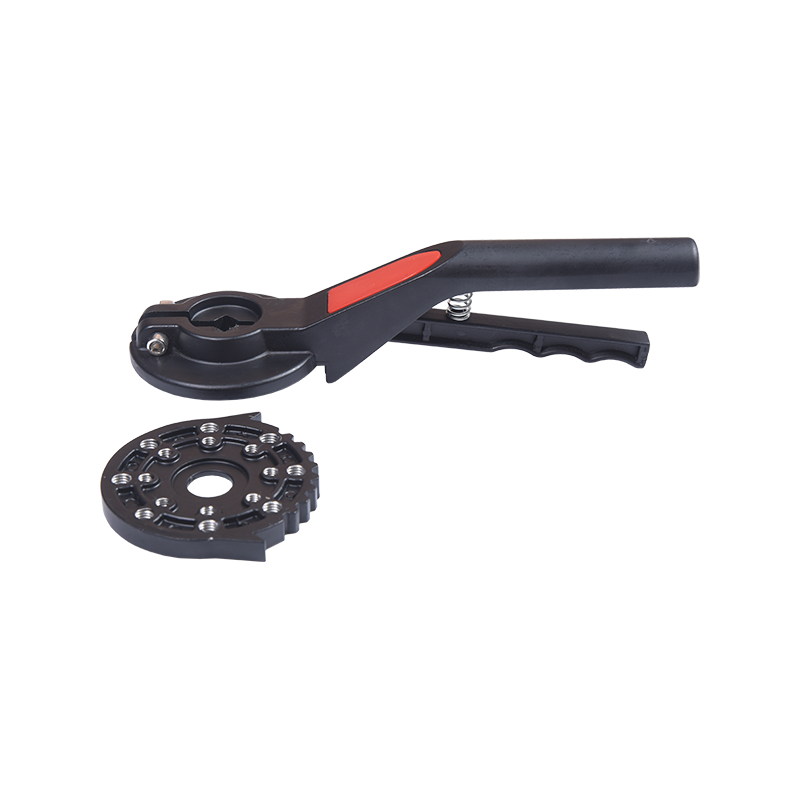
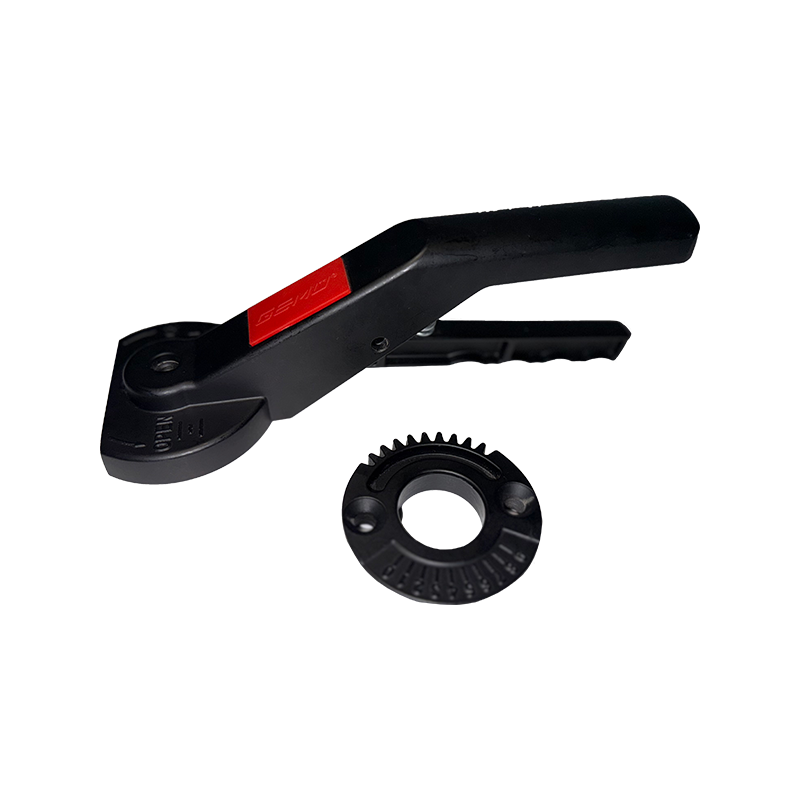
Industrial aluminum mechanical components are cast and machined parts used in machinery, equipment and vehicles: housings, brackets, covers, bodies, frames and supports. Aluminum is chosen because it combines low weight with good strength, corrosion resistance and easy machining. Buyers include machinery builders, motorcycle brands, valve and pneumatic makers and trading companies serving industrial users.
Purchasing teams look at alloy and temper, dimensional tolerance, flatness and surface roughness of machined faces, wall thickness, coating, pressure or leak-tightness needs and batch consistency. They also confirm drawing control, packaging and the supplier's ability to repeat orders.
Our factory combines gravity casting, die casting, heat treatment, CNC machining, surface treatment and assembly, so a complex part can be finished without outsourcing. OEM and ODM work is routine, and engineering review is included at quotation stage. Samples normally take 10 to 25 days, and MOQ commonly starts at 100 to 500 pieces.
We can deliver bare machined parts, coated parts or finished sub-assemblies, depending on how your own line is organized. Packing is designed per part with trays or dividers, and shipments can be arranged by sea, air or express for samples.
Component Types
Housings, brackets, covers, bodies, frames
Processes
Gravity casting, die casting, CNC machining
Alloys
A356-T6, ADC12 and others per drawing
Machining
18 CNC lathes, 5 machining centers
Surface Finish
Shot blasting, polishing, anodizing, powder coating, painting
Service
OEM and ODM, assembly, MOQ from 100 pieces
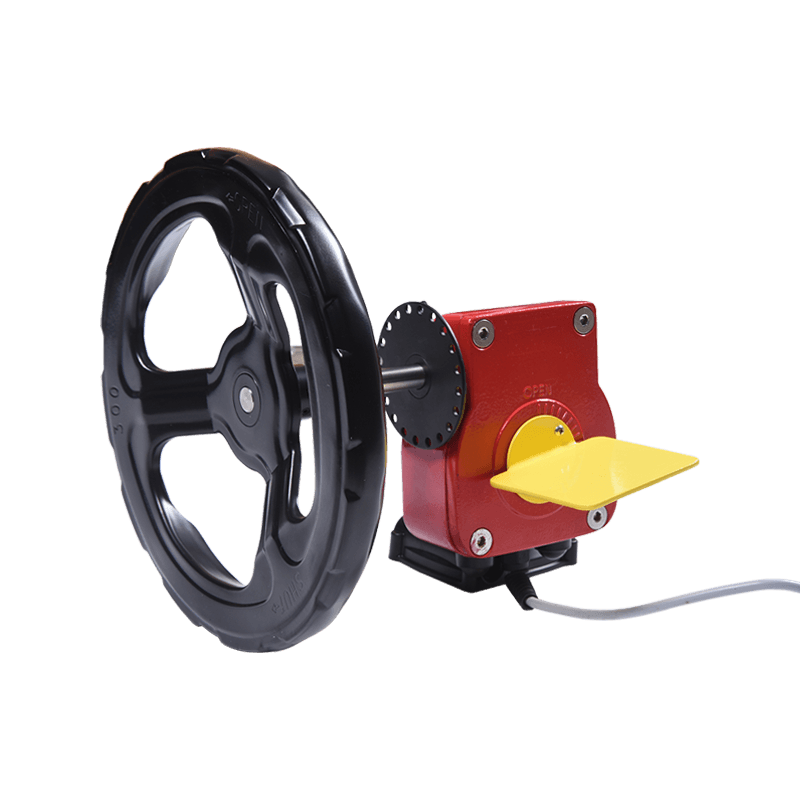
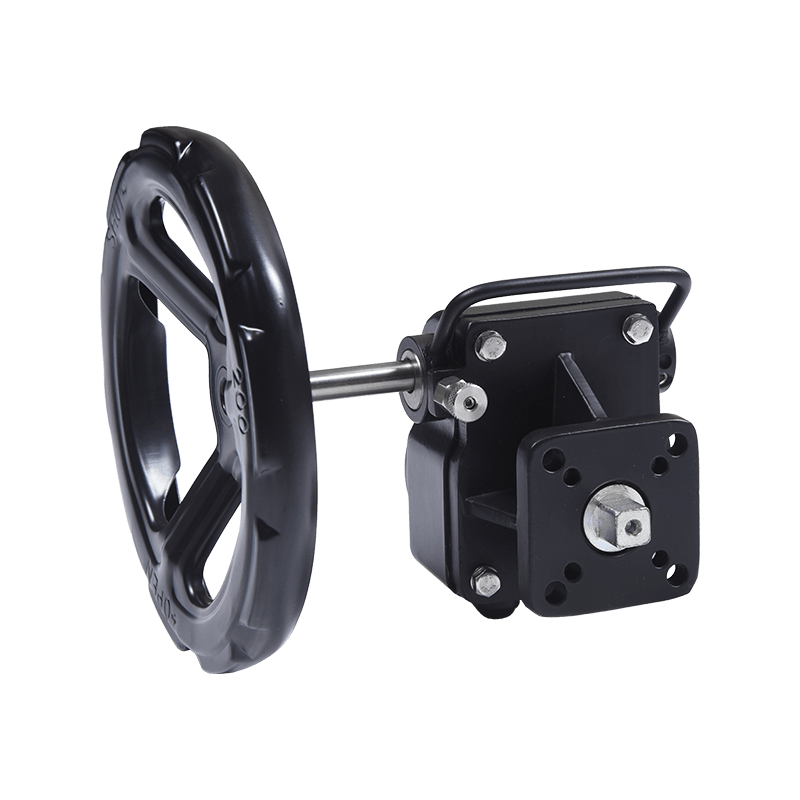
Product Overview
Industrial aluminum mechanical components are structural and functional parts that hold, guide, protect or connect other elements of a machine. Examples include gearbox housings, motor end covers, pump bodies, brackets and enclosure frames. They are usually cast first to near-net shape, and critical features are then machined to final dimensions.
The right process depends on the part. Gravity casting with T6 heat treatment suits thicker, stronger parts at medium volume, while high-pressure die casting is better for thin-walled parts in large series. Both are followed by CNC machining, deburring and surface treatment. A single factory that manages the full chain keeps tolerances, finish and delivery in line with your assembly plan.
Processes
Casting and CNC
Alloys
A356, ADC12
Industries
Valve, motorcycle, machinery
Quality System
ISO 9001
Main points for buyers
- Process match: Choose gravity or die casting according to volume, wall thickness and strength needs.
- Tolerance plan: List critical dimensions and allow normal tolerances elsewhere to control cost.
- Surface and coating: Decide on anodizing, powder coating or paint according to environment.
- Quality records: Request material and inspection reports if your customers audit you.
- Repeat supply: Plan mold or die storage, spare tooling and safety stock.
The landed cost of aluminum mechanical components is formed by tooling, metal, casting, machining time, surface treatment, inspection, packaging and freight. The biggest drivers are part weight, machining complexity and tolerance, followed by quantity. Tell the supplier your annual volume, ask for tooling to be quoted separately and confirm which finishing steps are included in the unit price.
Specification
| Parameter | Specification |
| Component Type | Housing, bracket, cover, body, frame |
| Casting Process | Gravity casting, high-pressure die casting |
| Alloy | A356-T6, ADC12; others on request |
| Part Weight | About 0.05 to 25 kg, typical |
| As-Cast Tolerance | ISO 8062 CT6 to CT9, process dependent |
| Machined Tolerance | IT7 to IT10, per drawing |
| Surface Roughness | Ra 1.6 to 3.2 on machined faces, typical |
| Heat Treatment | T6 or T5 for gravity cast parts |
| Surface Treatment | Shot blasting, vibratory finishing, polishing, anodizing, powder coating, painting |
| Inspection | Dimensional check, visual inspection, hardness test on request |
| Assembly | Press fit, bearing, seal and fastener assembly available |
| Packaging | Protective trays, cartons and pallets |
Application
Application Scenarios
| Industry | Typical Use | Key Requirement |
| Motorcycle industry | Engine and brake components, frame parts | Light weight and strength |
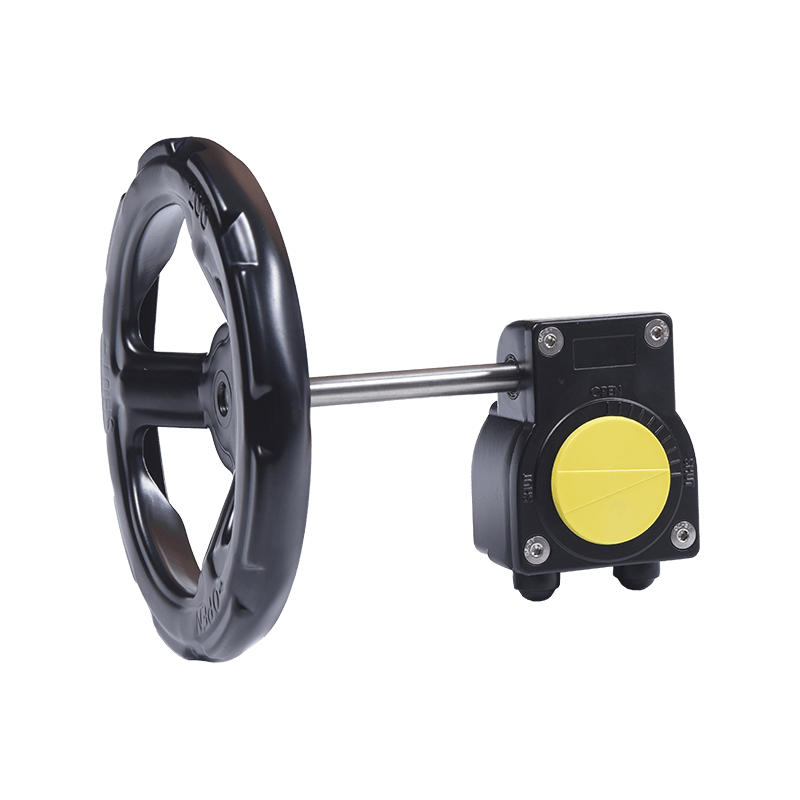
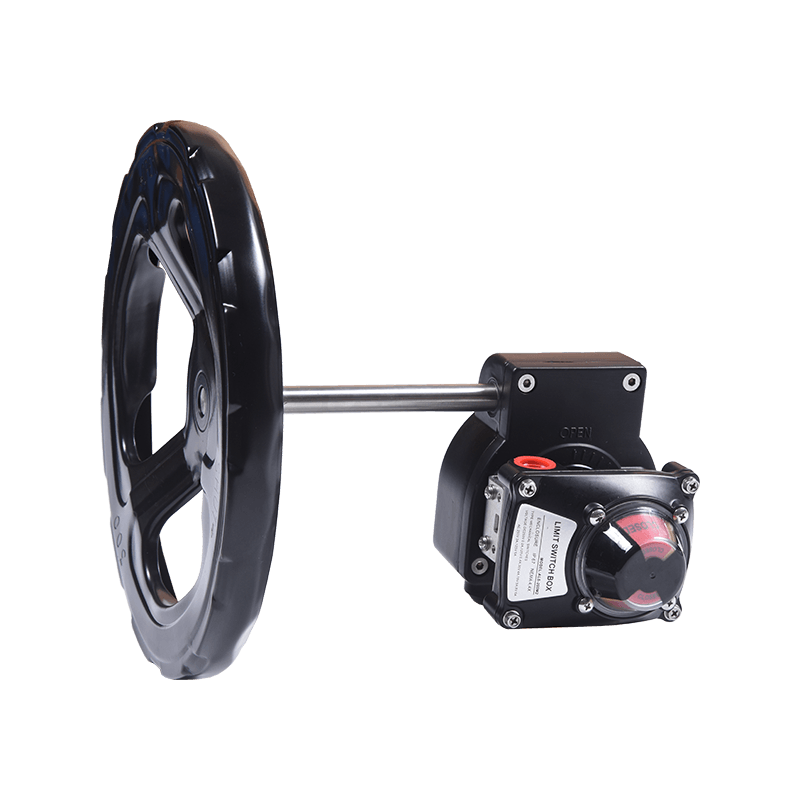
| Industrial valves | Gearbox and actuator housings | Precise interfaces and coating |
| Machinery | Gear and motor housings, supports | Stable dimensions |
| Pneumatic and hydraulic | Cylinder covers and bodies | Leak-tight surfaces |
| Electrical equipment | Enclosures and mounting frames | Heat dissipation and corrosion resistance |
Target Customers
Machinery Builders
Need machined housings and brackets that fit without rework.
Motorcycle Brands
Need strong, light parts with clean finish and stable supply.
Trading and Sourcing Firms
Need one reliable factory for multiple part families.
Suitable and Unsuitable Uses
Suitable Uses
- Light structural parts with good strength
- Housings that need machined bores and flat faces
- Components exposed to moisture or weather
- Parts that benefit from heat dissipation
Unsuitable Uses
- Very high-temperature structural parts
- Components under extreme wear without surface hardening
- Parts that require non-aluminum materials
- Programs with unstable drawings and tiny volumes
Selection Guidance
Usage Notes
- Approve first articles before mass production.
- Check critical dimensions on the first delivery lot.
- Store parts dry and separated.
- Protect machined faces during assembly.
- Keep drawing revisions synchronized with the supplier.
Advantages
Integrated process chain
Smelting, casting, heat treatment, machining, painting and assembly happen in one 30,000 square meter factory. Fewer handoffs mean shorter lead times and clear accountability for you.
Both casting methods
20 gravity casting machines and 6 die-casting machines let us choose the best route for each part. You avoid being forced into a process that raises cost.
Machining capacity
18 CNC lathes and 5 machining centers finish parts to tolerance. Parts arrive ready to assemble, saving your own machining cost.
Heat treatment
Six heat treatment units provide strength and stability for gravity cast parts. Reliable properties reduce the risk of deformation and field failure.
Surface options
Shot blasting, vibratory finishing, polishing and a 300-meter painting line cover most finish needs. One supplier handles appearance and corrosion protection.
Assembly capability
Six assembly lines can add bearings, seals and fasteners and perform product testing. Delivering sub-assemblies cuts your labor and inventory.
Frequently Asked Questions
- Q: What industrial components can you make?
- A: We make aluminum housings, brackets, covers, bodies and frames for motorcycle, valve, pneumatic and general machinery use.
- Q: Can you choose between gravity and die casting for me?
- A: Yes. We review your drawing and volume and recommend the more economical and reliable process.
- Q: What is the MOQ?
- A: MOQ usually starts at 100 to 500 pieces per item, depending on process and part size.
- Q: How tight can machined tolerances be?
- A: Typical machined tolerances are IT7 to IT10 per drawing, with tighter values reviewed for critical fits.
- Q: Do you provide assembly services?
- A: Yes. Bearings, seals and fasteners can be assembled and checked on our assembly lines.
- Q: What finishes are available?
- A: Shot blasting, vibratory finishing, polishing, anodizing, powder coating and painting are all available.
- Q: How long do samples take?
- A: Samples typically take 10 to 25 days, depending on whether tooling already exists.
- Q: How do you handle quality records?
- A: We work under ISO 9001 and can provide material certificates and inspection reports on request.
Contact us to learn more
Tell us your drawing, sample or application for industrial aluminum mechanical components, together with material, finish and expected annual quantity. Our engineers will review the details and reply with a clear quotation, sampling plan and lead time.
Send Your Inquiry