

 en
 English
 Español

Industrial Valve Automation Solutions
-- Steady & Reliable Manufacturer --
Brief Product Description
Industrial valve automation solutions combine an actuator, the mounting hardware and a manual override into a package that turns a manual quarter-turn valve into one that can be operated by compressed air. Our contribution is the mechanical side: pneumatic actuators, worm gear overrides, brackets, couplings and drive adapters built to ISO 5211. Buyers include valve manufacturers, system integrators, EPC contractors and distributors that need dependable hardware across a valve range.
Typical purchase questions are about torque margin, air pressure range, double acting versus spring return action, mounting interface, ambient temperature, coating and explosion-proof requirements for applicable products. Buyers also ask how the package can be supplied: as loose parts, as kits or as assembled and tested units.
Housings are cast and machined in our factory and assembled on dedicated lines, so the actuator, bracket and coupling are matched from the start. OEM and ODM options cover torque ratings, bore sizes, color and marking. Samples take about 15 to 30 days, and MOQ commonly starts at 100 to 300 sets.
Solenoid valves, positioners and limit switch boxes are usually selected by the system integrator, and we can machine brackets and adapters to suit the accessories you specify. This keeps the mechanical package consistent while you retain control of your instrumentation.
Solution Scope
Pneumatic actuator, bracket, coupling, manual override
Action Type
Double acting and spring return
Interface
ISO 5211 F03 to F25
Air Supply
Typically 2.5 to 8 bar
Hazardous Areas
ATEX and IECEx for applicable products
Commercial
OEM and ODM, samples, MOQ from 100 sets
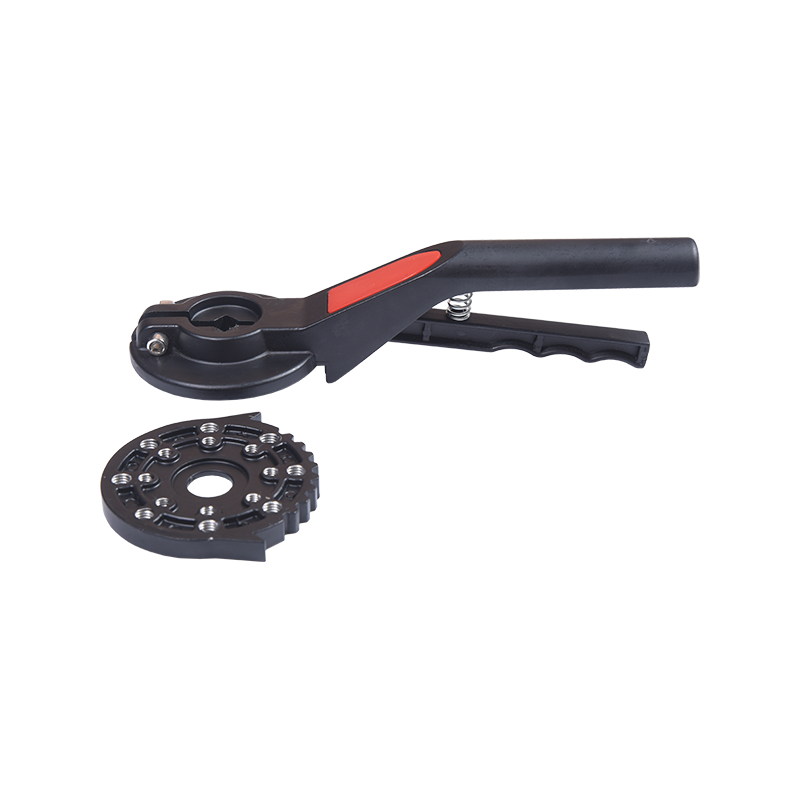
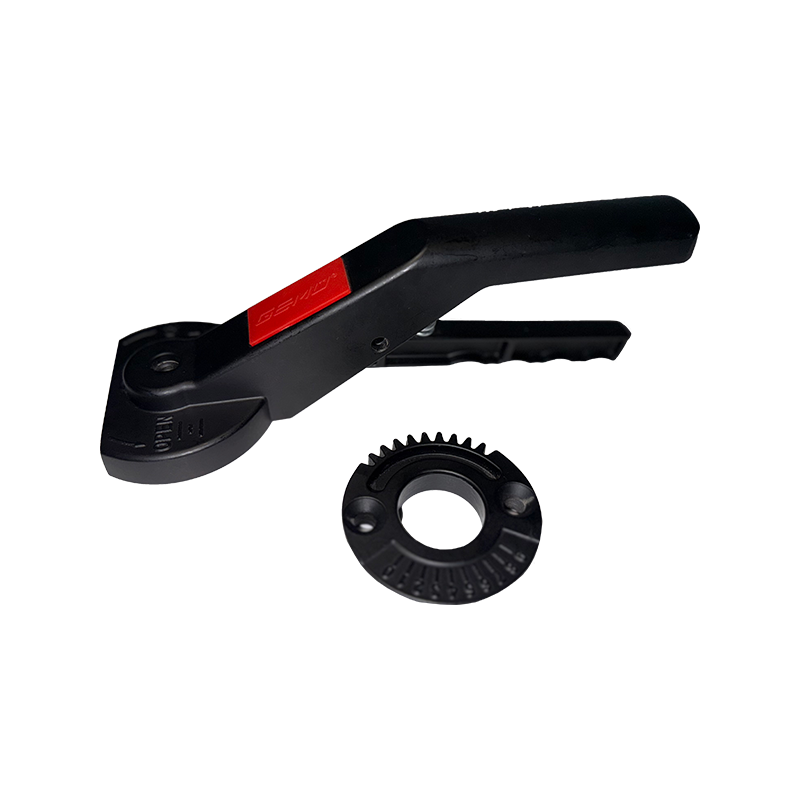
Product Overview
Valve automation replaces human effort with a controlled energy source, in this case compressed air, to rotate a valve through 90 degrees. A pneumatic rack and pinion actuator converts linear piston motion into rotation, and the actuator's output shaft is connected to the valve stem through a coupling or drive bushing. A bracket or direct mount flange holds the actuator steady on the valve's ISO 5211 pad.
Selecting the right solution means matching actuator output torque to valve torque with a safety margin, choosing the safe failure position, and checking that the pad, drive and bore are compatible. A manual override, such as a worm gear operator, can be added for maintenance or power loss. When the mechanical parts are made and checked together, installation is faster and the risk of misalignment on site is much lower.
Actuation
Pneumatic
Interface
ISO 5211
Override
Manual gearbox option
Quality System
ISO 9001
Main points for buyers
- Torque margin: Size the actuator from valve maximum torque, adding a margin for temperature and aging.
- Fail-safe position: Choose double acting or spring return based on the process safety requirement.
- Interface match: Check ISO 5211 pad, drive shape and bore with the valve datasheet.
- Air quality: Specify supply pressure and clean, dry air for long life.
- Hazardous areas: Confirm ATEX or IECEx coverage with us for the exact model and application.
The cost of an automation package depends on actuator size and type, material and coating, accessories such as brackets and overrides, certification scope, assembly and testing, and order quantity. Packaging and freight add to the landed cost. Compare offers on the same torque, action type, interface and test standard, and check if brackets and couplings are included in the price.
Specification
| Parameter | Specification |
| Solution Type | Pneumatic actuator package with bracket, coupling and optional manual override |
| Actuator Type | Rack and pinion, double acting or spring return |
| Rotation Angle | 90 degrees, adjustable |
| Mounting Interface | ISO 5211 F03 to F25 |
| Drive Shape | Square, double-D, star or keyed per valve |
| Air Supply | 2.5 to 8 bar, clean dry air |
| Body Material | Aluminum alloy, anodized or coated |
| Manual Override | Worm gear operator on request |
| Operating Temperature | -20 to +80 degrees C, standard |
| Hazardous Area | ATEX and IECEx for applicable products |
| Testing | Function check before shipment |
| Customization | Torque, bore, color, marking, kit configuration |
Application
Application Scenarios
| Industry | Typical Use | Key Requirement |
| Oil and gas | Automated ball valves on skids and pipelines | Fail-safe action and corrosion protection |
| Water and wastewater | Butterfly valves at treatment plants | Reliable cycling and manual override |
| Chemical processing | Isolation valves on process lines | Coating and sealing against splash |
| Mining and minerals | Slurry and water valves | Impact and dust resistance |
| Power and utilities | Cooling water and compressed air valves | Long service life |
Target Customers
Valve Manufacturers
Need an automation option for their valve range, matched to their pads.
System Integrators
Need dependable mechanical hardware that works with their control instruments.
EPC and Maintenance Contractors
Need retrofit packages for existing valves.
Suitable and Unsuitable Uses
Suitable Uses
- Automating ball, butterfly and plug valves
- Retrofits on valves with an ISO 5211 pad
- Lines with compressed air available
- Packages that need manual override for maintenance
Unsuitable Uses
- Valves that need multi-turn operation
- Sites without compressed air and no alternative power
- Precise modulating control without a positioner
- Service beyond the actuator temperature rating
Selection Guidance
Usage Notes
- Check that actuator and valve are in the same position before mounting.
- Verify bolt pattern and spigot fit before tightening.
- Use clean, dry, filtered air supply.
- Set end stops after installation.
- Test open and close cycles before commissioning.
Advantages
Matched mechanical package
Actuator body, bracket and coupling are made and checked in the same factory. Parts fit on the first attempt, which saves commissioning time.
Fail-safe options
Spring return versions can drive a valve to a safe position on air loss. That helps buyers meet process safety requirements.
Hazardous-area support
ATEX and IECEx certifications are held for applicable industrial products. This supports projects in oil, gas, chemical and mining where compliance is mandatory.
Manual override ready
Our worm gear operators can be supplied together with the actuator package. Maintenance teams keep control during power or air loss.
Machined interfaces
CNC machining on 5 machining centers keeps flange faces and bores to drawing. Accurate alignment reduces stem wear and seal leakage.
Controlled supply chain
Casting, finishing and assembly are in-house on a 30,000 square meter site. Predictable lead times help you meet project schedules.
Frequently Asked Questions
- Q: What does your valve automation solution include?
- A: It can include a pneumatic actuator, mounting bracket, coupling or drive bushing, and an optional manual override, all matched to your valve.
- Q: Do you supply positioners or limit switch boxes?
- A: Our focus is the mechanical actuation package. Control instruments are usually specified by the integrator, and we can machine brackets for the accessories you choose.
- Q: Double acting or spring return, which should I use?
- A: Use spring return where the valve must move to a safe position on air loss, and double acting where it can remain in place.
- Q: What is the air pressure range?
- A: Typical supply pressure is 2.5 to 8 bar, using clean, dry air. Specific models may differ.
- Q: Can you retrofit existing valves?
- A: Yes, if the valve has an ISO 5211 pad or we can make an adapter. Send the valve datasheet or photos of the pad.
- Q: Are explosion-proof versions available?
- A: ATEX and IECEx certification is held for applicable industrial products. Share the zone and gas group so we can confirm.
- Q: What is the MOQ?
- A: MOQ usually starts at 100 to 300 sets. Smaller trial orders can be discussed.
- Q: How long do samples take?
- A: Usually 15 to 30 days, depending on model and whether custom parts are required.
Contact us to learn more
Tell us your drawing, sample or application for industrial valve automation solutions, together with material, finish and expected annual quantity. Our engineers will review the details and reply with a clear quotation, sampling plan and lead time.
Send Your Inquiry