

 en
 English
 Español

Industrial Valve Control Solutions
-- Steady & Reliable Manufacturer --
Brief Product Description
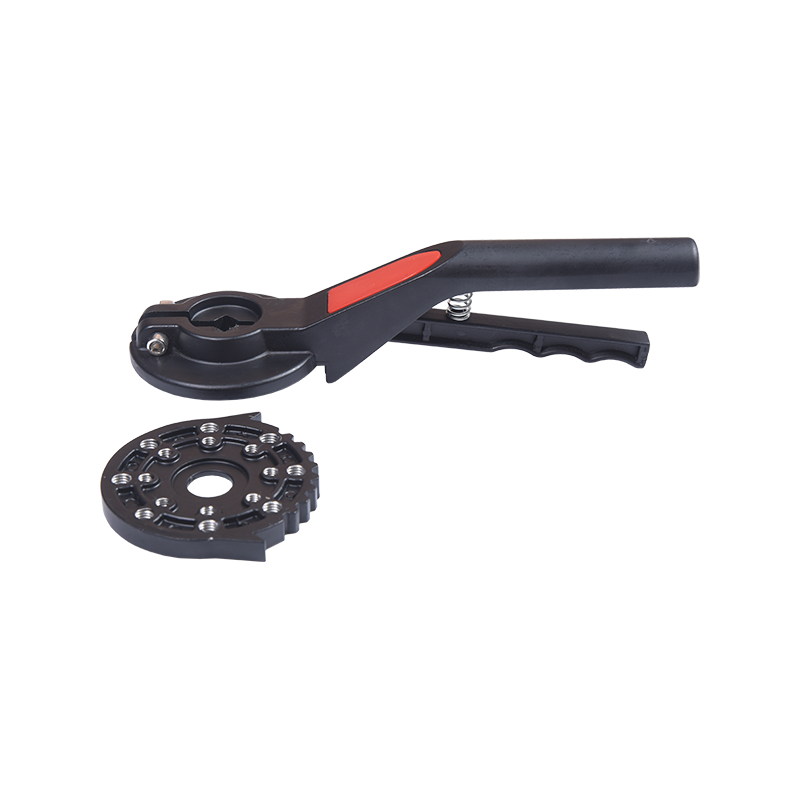
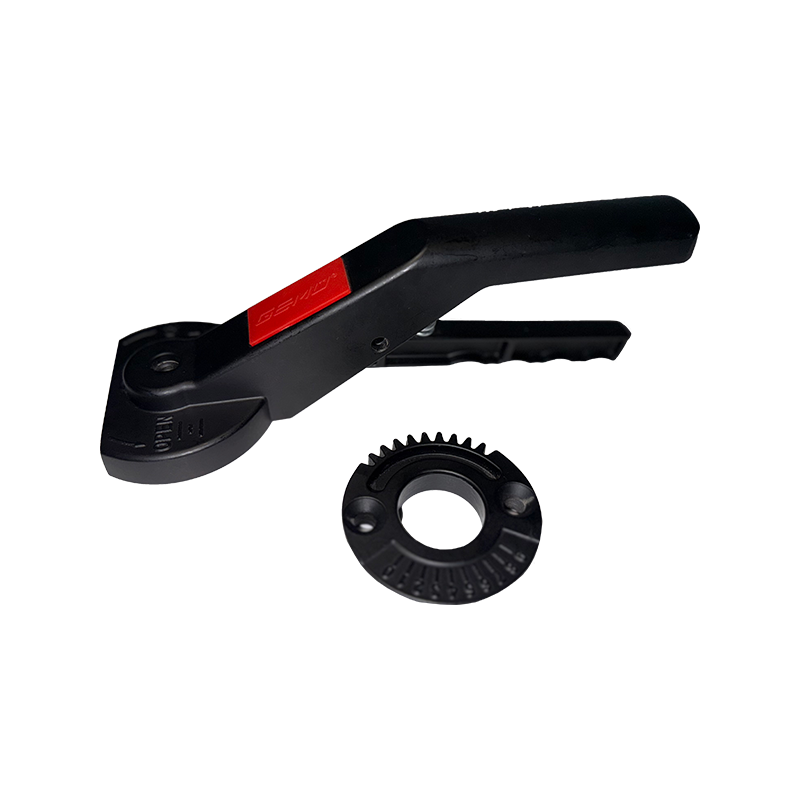
Industrial valve control solutions cover the ways a valve is opened, closed and held in position: hand levers, handwheel gearboxes and pneumatic actuators. Choosing among them depends on valve size, required torque, frequency of operation and safety rules. Valve manufacturers, plant engineers, distributors and contractors buy these solutions to equip pipelines, tanks and process skids.
Buyers compare output torque, rotation angle, ISO 5211 interface, control medium, fail-safe behavior, material and coating. They also ask about position indication, locking and ease of maintenance, as these decide how safe and practical the valve is in daily use.
We make the three main control types in one factory and can help match them to your valves. OEM and ODM services cover ratios, torque ratings, colors and marking. Samples take around 10 to 30 days depending on type, and MOQ commonly starts at 100 to 300 pieces.
A common approach is to supply levers for small valves, worm gear operators for large valves and pneumatic actuators for automated lines, all with the same mounting standard. This lets your catalog stay consistent and your customers upgrade later without changing the valve.
Control Types
Lever, worm gear operator, pneumatic actuator
Rotation
90 degrees with adjustable stops
Interface
ISO 5211 F03 to F25
Position Indication
Mechanical indicator on top cover
Safety Features
Self-locking gears, padlock option, spring return
Commercial
OEM and ODM, samples, MOQ from 100 pieces
Product Overview
Valve control solutions determine who or what moves a valve and how precisely it holds position. For small valves, a lever is quick and cheap. For large valves, a worm gear multiplies hand force and holds the valve under load. Where valves must be operated remotely or often, a pneumatic actuator uses compressed air to do the work.
A good solution keeps all three options consistent. If each uses the same ISO 5211 mounting and stem drive, a valve can start life with a lever, later gain a gearbox and finally be upgraded with an actuator. Common concerns are torque margin, safe failure position and clear indication. Matching the control type to the valve and duty prevents oversizing, which wastes money, and undersizing, which risks failure.
Types
Manual and pneumatic
Rotation
90 degrees
Interface
ISO 5211
Housing
Aluminum alloy
Main points for buyers
- Control type: Choose lever, gearbox or actuator by torque, frequency and location.
- Torque margin: Add a margin to valve torque to cover aging and temperature.
- Safe position: Decide whether the valve should stay, open or close on air or power loss.
- Interface: Keep ISO 5211 and stem drive consistent across your range.
- Indication and locking: Check that status is visible and that lockout is possible.
Control solution cost is driven by type, torque, materials, coating, indicators, locks and test requirements. Pneumatic solutions also need air supply and accessories, which belong in the total system budget. When comparing quotes, align torque ratings, finishes and accessories, and consider maintenance and replacement cost over the equipment life.
Specification
| Parameter | Specification |
| Control Types | Lever handle, worm gear operator, pneumatic actuator |
| Rotation Angle | 90 degrees, adjustable stops |
| Output Torque | Lever up to about 200 N.m; gearbox up to 2,000 N.m; pneumatic per model |
| Mounting Interface | ISO 5211 F03 to F25 |
| Stem Drive | Square, double-D, keyed |
| Housing Material | Aluminum alloy |
| Fail-Safe Option | Spring return pneumatic actuator |
| Locking | Padlock plate on request |
| Position Indicator | Mechanical |
| Air Supply (Pneumatic) | 2.5 to 8 bar |
| Operating Temperature | -20 to +80 degrees C, standard |
| Surface Treatment | Powder coating, anodizing, painting |
Application
Application Scenarios
| Industry | Typical Use | Key Requirement |
| Process plants | Isolation valves on process lines | Easy control and clear position indication |
| Water supply | Valve chambers and treatment plants | Self-locking gearing and low effort |
| Oil and gas | Skid and manifold valves | Safe positioning and coating |
| Industrial utilities | Steam, air and cooling lines | Durability and easy service |
| Building services | Dampers and water valves | Compact and quiet operation |
Target Customers
Valve Manufacturers
Need a consistent family of control devices for their valve range.
Plant Engineers
Need to match control type to duty and safety rules.
Distributors
Need standard models with stable supply.
Suitable and Unsuitable Uses
Suitable Uses
- Standard on-off valve control
- Mixed fleets of small and large valves
- Plants moving from manual to automatic operation
- Sites that need locking and clear indication
Unsuitable Uses
- Valves that need multi-turn control
- High-precision modulation without a positioner
- Environments beyond the rated temperature
- Valves with unknown torque data
Selection Guidance
Usage Notes
- Match valve and device positions when mounting.
- Set stops after installation.
- Do not extend levers with pipes.
- Use clean dry air on pneumatic units.
- Lubricate and inspect on schedule.
Advantages
Three control types, one supplier
Levers, gearboxes and actuators come from the same factory and share ISO 5211 interfaces. You can upgrade valves later without changing mounting parts.
Self-locking gearboxes
Worm gear sets hold position under valve load at standard ratios. This improves safety and removes the need for separate brakes.
Spring return option
Pneumatic actuators can be made in spring return form for safe failure. That supports process safety and reduces risk for your customers.
Consistent castings
20 gravity casting machines and 6 die-casting machines provide uniform housings. Consistency reduces assembly issues and field complaints.
Tested assemblies
Six assembly lines run function checks before shipment. Fewer defects on arrival save your inspection time.
Customization
Ratios, bores, colors and marking are available under OEM terms. Your branded range reaches market faster.
Frequently Asked Questions
- Q: How do I choose between a lever, gearbox and actuator?
- A: Levers suit small valves with low torque, gearboxes suit large manual valves, and actuators suit remote or frequent operation.
- Q: What torque margin should I use?
- A: A margin of about 25 to 30 percent above the valve's maximum torque is common practice. Our engineers can check your selection.
- Q: Can I upgrade from manual to automatic later?
- A: If the valve has an ISO 5211 pad, the manual device can be replaced by an actuator of suitable torque.
- Q: Is the gearbox self-locking?
- A: At standard ratios, yes. The valve holds position when the handwheel is released.
- Q: What is the air supply range?
- A: Typically 2.5 to 8 bar, using clean, dry air.
- Q: Do you offer spring return actuators?
- A: Yes. They can drive the valve to a safe position when air supply is lost.
- Q: What is the MOQ?
- A: Usually 100 to 300 pieces per model.
- Q: Can you add our logo and color?
- A: Yes. Logo marking and paint color are available under OEM terms.
Contact us to learn more
Tell us your drawing, sample or application for industrial valve control solutions, together with material, finish and expected annual quantity. Our engineers will review the details and reply with a clear quotation, sampling plan and lead time.
Send Your Inquiry