

 en
 English
 Español

Quarter Turn Valve Applications
-- Steady & Reliable Manufacturer --
Brief Product Description
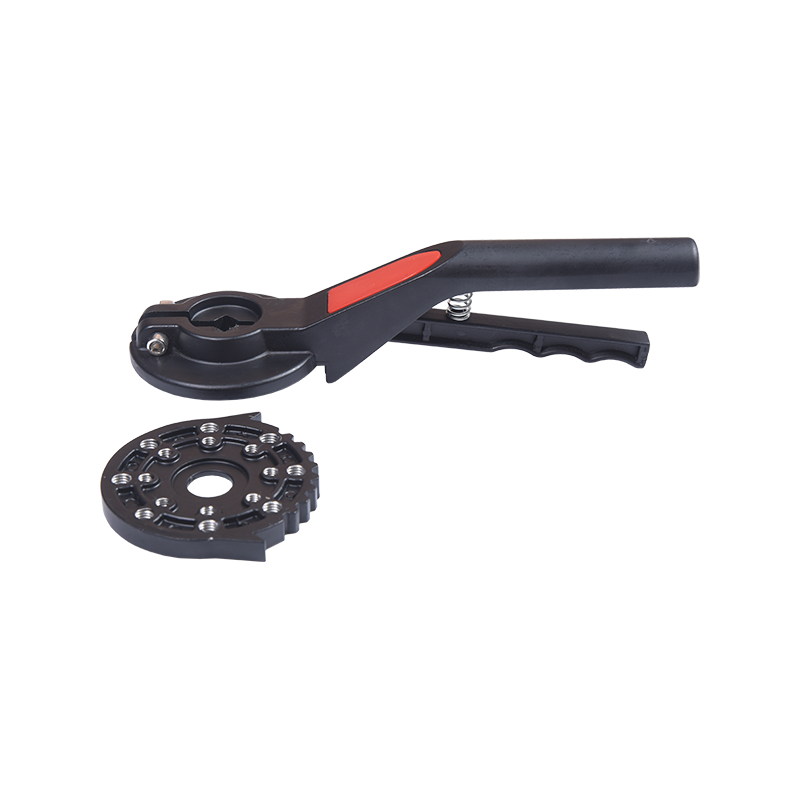
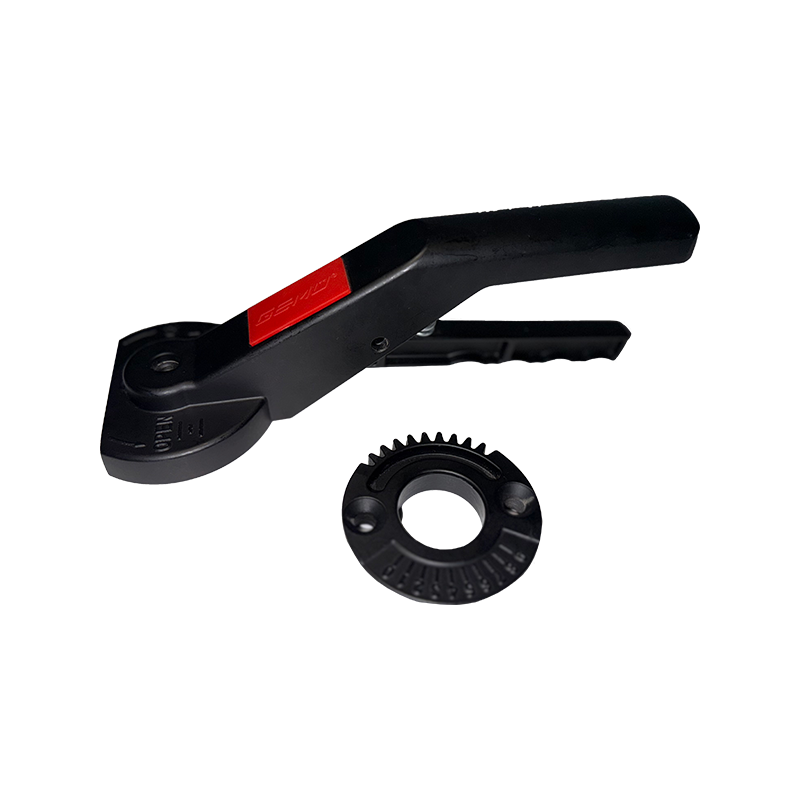
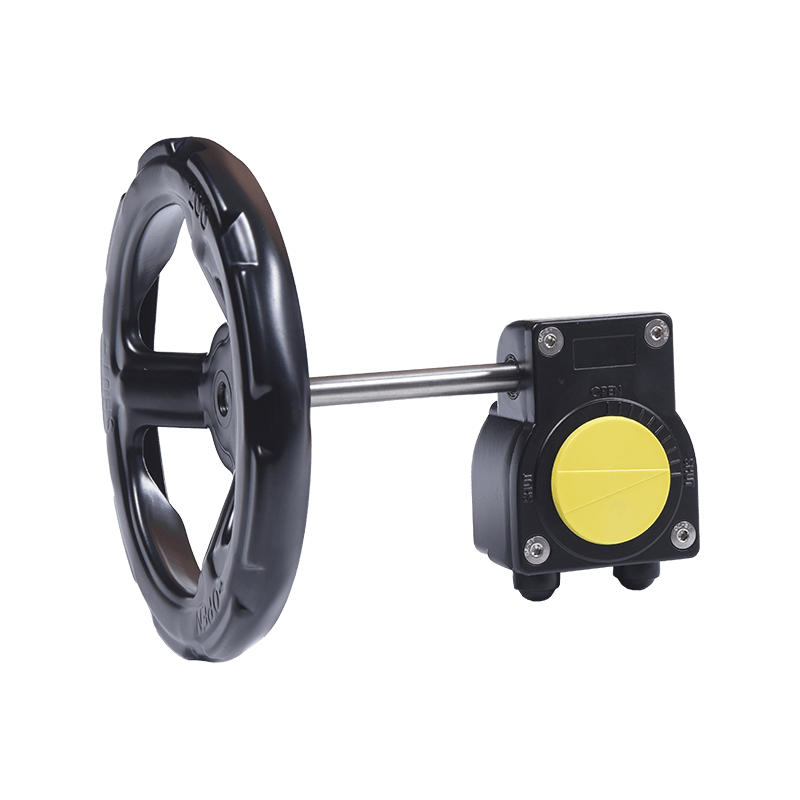
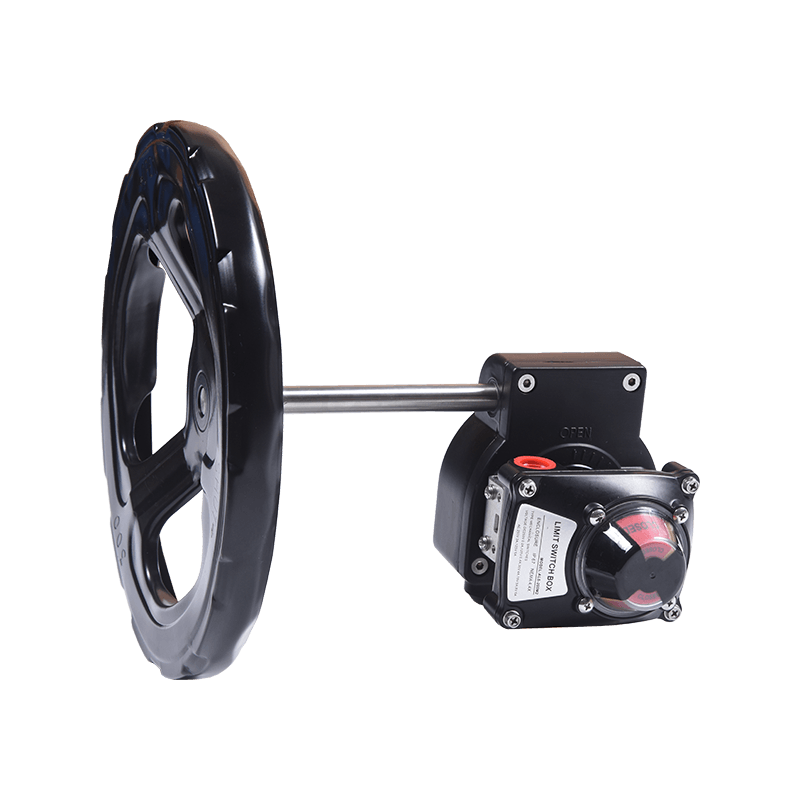
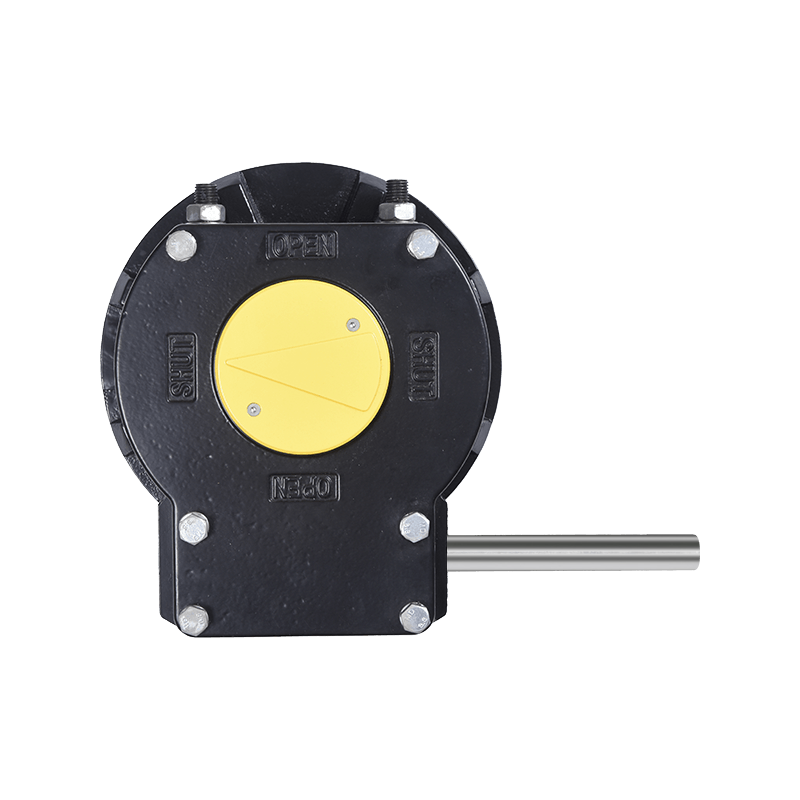
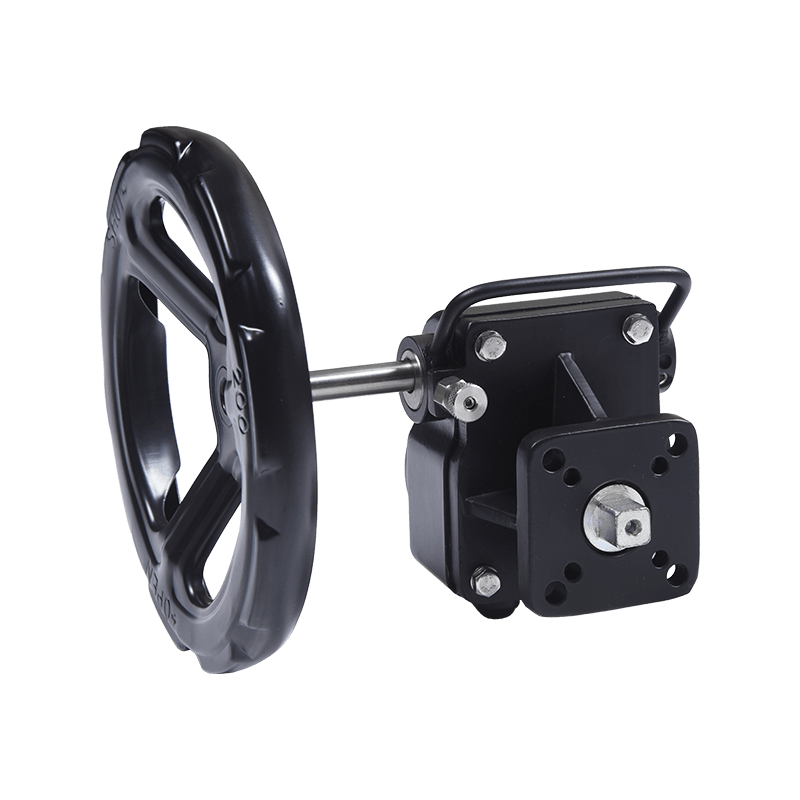
Quarter turn valves, including ball, butterfly and plug valves, move between open and closed with a 90 degree rotation. This makes them popular for fast isolation and simple on-off control in many industries. We supply the operators for them: lever handles, worm gear operators and pneumatic actuators, along with brackets and couplings. Buyers are valve makers, contractors and plant engineers who need the right operator for each application.
Selection depends on valve size, line pressure, medium, torque, cycle frequency, location and safety needs. For example, a small ball valve in a utility line can use a lever, a large butterfly valve in a water main needs a gearbox, and a remote isolation valve on a pipeline is better served by a pneumatic actuator.
Our factory produces all three operator types and the interface parts, so we can recommend a configuration for each valve and application. OEM and ODM options include torque rating, bore, color and marking. Samples take 10 to 30 days, and MOQ commonly starts at 100 to 300 pieces.
If you send valve type, size, pressure class, medium and working temperature, our engineers will recommend the operator type and check torque margin. This is especially useful for projects that mix several valve sizes and need a consistent solution.
Valve Types
Ball, butterfly, plug, dampers
Operator Options
Lever, worm gear operator, pneumatic actuator
Rotation
90 degrees, adjustable stops
Interface
ISO 5211 F03 to F25
Use Cases
Isolation, diverting, on-off control
Commercial
OEM and ODM, samples, MOQ from 100 pieces
Product Overview
Quarter turn valves are favored in industry because they are compact, quick to operate and relatively inexpensive compared with multi-turn valves. A ball valve seals with a rotating ball, a butterfly valve with a rotating disc and a plug valve with a tapered or cylindrical plug. All of them move from open to closed with a 90 degree turn, which suits both manual and automated operation.
The right operator depends on torque and duty. Ball valve torque rises with size and pressure, and butterfly valve torque is influenced by disc design and flow. Torque often peaks at breakaway and again close to the seat, so operators are sized with a margin. Manual operators hold the valve in place, while pneumatic actuators allow remote or fail-safe action. Correct selection extends seat and stem life and reduces maintenance.
Valves
Ball, butterfly, plug
Rotation
90 degrees
Operators
Lever, gearbox, actuator
Interface
ISO 5211
Main points for buyers
- Valve type: Confirm whether the valve is ball, butterfly or plug, as torque behavior differs.
- Torque data: Use maximum torque from the valve datasheet and add a margin.
- Operating mode: Decide between manual and pneumatic based on location and frequency.
- Interface: Check ISO 5211 pad and stem drive.
- Medium and temperature: Record media, pressure and temperature that affect torque and materials.
Cost for quarter turn valve operators varies with torque rating, operator type, materials, coating and accessories. Special bores, colors and markings add setup, and certification adds to price for hazardous areas. Packaging and shipping method also play a role. Align quotations on the same valve data and the same operator features to compare fairly.
Specification
| Parameter | Specification |
| Valve Types | Ball, butterfly, plug, dampers |
| Operator Types | Lever, worm gear operator, pneumatic actuator |
| Rotation Angle | 90 degrees, adjustable stops |
| Output Torque | Lever up to about 200 N.m; gearbox up to 2,000 N.m; pneumatic per model |
| Mounting Interface | ISO 5211 F03 to F25 |
| Stem Drive | Square, double-D, keyed |
| Housing Material | Aluminum alloy |
| Air Supply (Pneumatic) | 2.5 to 8 bar |
| Action (Pneumatic) | Double acting or spring return |
| Operating Temperature | -20 to +80 degrees C, standard |
| Position Indicator | Mechanical |
| Surface Treatment | Powder coating, anodizing, painting |
Application
Application Scenarios
| Industry | Typical Use | Key Requirement |
| Water and wastewater | Butterfly valves on mains and plants | Low-effort manual gearboxes |
| Oil and gas | Ball valves on skids and pipelines | Corrosion resistance and fail-safe options |
| Chemical processing | Plug and ball valves on process lines | Sealing and coating quality |
| HVAC | Butterfly valves and dampers | Compact, quiet operators |
| Food and beverage | Butterfly valves on washdown lines | Smooth surfaces and easy cleaning |
Target Customers
Valve Manufacturers
Need operators that match their ball and butterfly valve ranges.
Project Contractors
Need a fast recommendation for mixed valve lists.
Maintenance Teams
Need replacement operators for existing valves.
Suitable and Unsuitable Uses
Suitable Uses
- On-off isolation and diverting service
- Fast opening and closing
- Compact installations
- Both manual and automated operation
Unsuitable Uses
- Precision throttling without a positioner
- Valves needing multi-turn stems
- Very high temperatures beyond operator ratings
- Valves with unknown torque
Selection Guidance
Usage Notes
- Check valve and operator positions before mounting.
- Set open and close stops.
- Do not use cheater bars on handles.
- Use clean dry air for pneumatic units.
- Check seals and fasteners during periodic maintenance.
Advantages
Operator for every size
Levers, gearboxes and actuators cover small to large quarter turn valves. One supplier can equip a whole valve list.
Torque-matched gearing
Worm gear ratios from 20:1 to 80:1 balance effort and travel. Operators can open large butterfly valves without special tools.
Fail-safe choice
Spring return actuators give a defined position on air loss. This helps meet plant safety rules.
Aluminum alloy bodies
Gravity cast A356-T6 and die-cast ADC12 housings are lightweight and corrosion resistant after coating. Weight savings ease installation.
Interface accuracy
CNC-machined ISO 5211 pads and bores fit valve stems precisely. Alignment problems and early seal wear are reduced.
Fast recommendation
Our engineers review valve data and propose an operator and torque margin. You save time on selection and avoid oversizing.
Frequently Asked Questions
- Q: Which valves do your operators fit?
- A: They fit ball, butterfly and plug valves, plus dampers, that rotate 90 degrees and have an ISO 5211 pad or compatible stem.
- Q: How do I know the operator torque I need?
- A: Take the valve's maximum torque from its datasheet and add a margin of about 25 to 30 percent.
- Q: When should I use a gearbox instead of a lever?
- A: Use a gearbox for large valves or high torque, where a lever would need too much force.
- Q: When is a pneumatic actuator better?
- A: Use it for remote, frequent or fail-safe operation where compressed air is available.
- Q: Can I upgrade from manual to automatic?
- A: Yes, if the valve has an ISO 5211 pad, the manual device can be replaced with an actuator.
- Q: Are your operators suitable for outdoor use?
- A: Housings are coated and sealing level can be matched to outdoor or washdown service.
- Q: What is the MOQ?
- A: Typically 100 to 300 pieces per model.
- Q: How long do samples take?
- A: Usually 10 to 30 days, depending on model.
Contact us to learn more
Tell us your drawing, sample or application for quarter turn valve applications, together with material, finish and expected annual quantity. Our engineers will review the details and reply with a clear quotation, sampling plan and lead time.
Send Your Inquiry