

 en
 English
 Español

Valve Automation Components
-- Steady & Reliable Manufacturer --
Brief Product Description
Valve automation components are the cast and machined parts that join a valve to its actuator and keep quarter-turn motion accurate and repeatable. They include actuator housings and end caps, mounting brackets, couplings, drive adapters, gearbox housings and indicator bases. Valve manufacturers, actuator brands, system integrators and distributors buy them in volume, usually against a drawing or an existing sample.
When we quote, buyers check the mounting interface first, meaning the ISO 5211 flange size and drive type. Next come the alloy and temper, bore and shaft tolerances, wall thickness, leak-tightness requirements and the coating or anodizing needed for outdoor and corrosive sites. Stable concentricity between the flange face and the drive bore matters more than cosmetic detail, because it decides torque transfer and seal wear.
We cast, machine, finish and assemble in one factory, so a single supplier can own the whole part. OEM and ODM projects are welcome. Samples from existing tooling normally take 7 to 15 days, new tooling takes longer, and typical MOQ starts at 200 to 500 pieces per item depending on the process. Send a drawing, a 3D file or a physical sample to start.
Every batch is checked for flange flatness and bore concentricity before packing, and parts are protected with dividers so machined faces arrive undamaged. Regular repeat orders can be scheduled against a rolling forecast to keep your assembly line supplied.
Typical Parts
Housings, end caps, brackets, couplings, adapters
Base Materials
A356-T6 gravity casting, ADC12 die casting
Interface
ISO 5211 F03 to F25, DIN 3337 star and square drives
Machining
CNC turning and milling, bore and flange tolerance per drawing
Surface Finish
Powder coating, painting, anodizing, shot blasting
Service
OEM and ODM, samples available, MOQ from 200 pieces
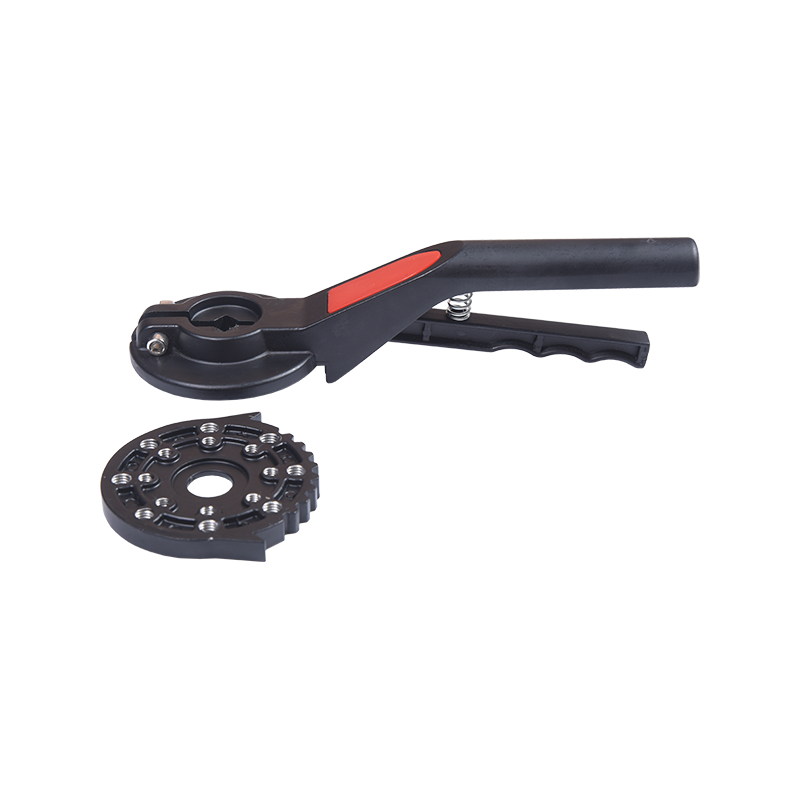
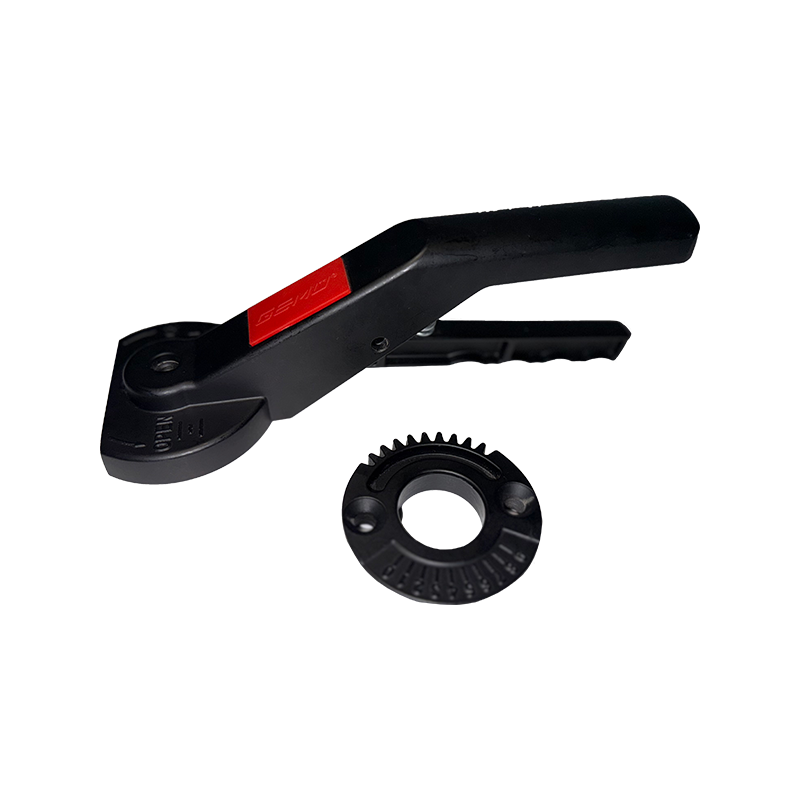
Product Overview
Valve automation components are the mechanical interface parts of an automated valve package. A quarter-turn valve, such as a ball or butterfly valve, must rotate 90 degrees on command, and that motion is delivered by an actuator or gearbox fixed to the valve through a bracket and coupling. Every part in that chain must hold position, carry torque and survive weather, vibration and cleaning chemicals.
Aluminum alloy is widely chosen for housings and covers because it is light, corrosion resistant once coated and easy to machine to flat, parallel mounting faces. Gravity cast A356 offers good strength after T6 heat treatment, while die-cast ADC12 gives thin walls and tight repeatability at higher volumes. The mounting pad follows ISO 5211 so the finished part fits the valve and actuator without field modification.
Mounting Interface
ISO 5211
Material
A356-T6, ADC12
Process
Casting plus CNC machining
Quality System
ISO 9001
Main points for buyers
- Interface fit: Confirm ISO 5211 flange size, pitch circle, spigot and drive shape before approving a drawing.
- Alloy and temper: Specify A356-T6, ADC12 or another grade, and ask for heat treatment records if strength is critical.
- Geometry control: Ask which dimensions are checked on every piece, such as bore, flange flatness and concentricity.
- Coating: Match powder coating or anodizing thickness to the site, including coastal or chemical exposure.
- Documentation: Request material certificates and inspection reports with each batch if your project requires them.
When comparing quotations, look beyond the unit price. Tooling or mould cost and how it is amortized, material grade and part weight, the number of machining operations, tolerance level, surface treatment, packaging, order quantity and freight mode all change the landed cost. A lower price that leaves out heat treatment or final inspection often comes back as rework, so confirm that every quote covers the same scope and the same Incoterm.
Specification
| Parameter | Specification |
| Product Type | Actuator housings, end caps, brackets, couplings, adapters |
| Material | Aluminum alloy A356-T6, ADC12 or equivalent per drawing |
| Casting Process | Gravity casting, high-pressure die casting |
| Mounting Standard | ISO 5211 F03 to F25, DIN 3337 where applicable |
| Drive Type | Square, star, double-D, keyed bore |
| Machining Tolerance | General IT8 to IT10, critical fits per drawing |
| Wall Thickness | From 2.5 mm (die casting) and 4 mm (gravity casting), typical |
| Surface Treatment | Powder coating, liquid painting, anodizing, shot blasting |
| Operating Temperature | -30 to +120 degrees C for standard aluminum parts |
| Inspection | Dimensional check, visual inspection, pressure test on request |
| Documentation | Material certificate and inspection report on request |
| Packaging | Foam or carton dividers, export cartons and pallets |
Application
Application Scenarios
| Industry | Typical Use | Key Requirement |
| Oil and gas | Actuated ball valves on pipelines and skids | Corrosion resistance; explosion-proof options for applicable products |
| Water treatment | Butterfly valves on distribution lines | Stable torque transfer and coated surfaces |
| Chemical processing | Quarter-turn isolation valves | Resistance to washdown and mild chemicals |
| HVAC and building services | Motorized dampers and valves | Light weight and quiet operation |
| Mining and bulk handling | Slurry and dust-line valves | Impact and vibration resistance |
Target Customers
Valve Manufacturers
Need repeatable interface parts for series production with stable lead time.
Actuator Brands
Need housings, covers and brackets that match ISO 5211 and their own drawings.
Distributors and Integrators
Need mixed small batches, clear documents and dependable replacement supply.
Suitable and Unsuitable Uses
Suitable Uses
- Series production of valve and actuator interface parts
- Replacement parts matched to a sample or drawing
- Outdoor installations that need coated aluminum
- Projects that require ISO 5211 compatibility
Unsuitable Uses
- Continuous service above 150 degrees C
- Pressure-containing valve bodies that call for steel or iron
- Immersion in strong acids or alkalis without a barrier
- One-piece jobs where tooling cost cannot be spread
Selection Guidance
Usage Notes
- Check the ISO 5211 pad against the valve flange before assembly.
- Clean mounting faces and remove burrs before fitting.
- Tighten fasteners in a cross pattern to the recommended torque.
- Do not exceed the rated torque of the housing or coupling.
- Inspect the coating after installation and touch up scratches at corrosive sites.
Advantages
One factory, full process
Smelting, casting, machining, painting and assembly run under one roof across 30,000 square meters. You work with one supplier and one lead time, which lowers coordination risk and keeps every batch traceable.
Two casting routes
With 20 gravity casting machines and 6 die-casting machines, we match the process to your volume. That avoids paying for die-casting tooling when a gravity mould is enough, and the reverse.
Machined to fit
18 CNC lathes and 5 machining centers hold bores and flange faces to your drawing. Better concentricity means fewer rejected assemblies on your own line.
Durable finishing
A 300-meter automated painting line, plus shot blasting and vibratory finishing, gives an even coating. Parts arrive ready to assemble and hold up outdoors.
Documented quality
We work under an ISO 9001 system and inspect at several stages. Recorded control lowers the risk of field complaints and makes supplier audits easier.
Engineering review
Our engineers check drawings for castability and suggest small changes such as draft angle or rib layout. That can shorten sampling and cut scrap cost.
Frequently Asked Questions
- Q: What is the typical MOQ for valve automation components?
- A: MOQ depends on the process. Machined parts from existing castings can start around 200 pieces, while new tooling projects usually start at 500 pieces per item. Smaller trial orders can be discussed.
- Q: Can you make parts from a drawing or a sample?
- A: Yes. We work from 2D drawings, 3D files or physical samples. For samples, we measure and confirm a drawing with you before tooling starts.
- Q: How long does sampling take?
- A: Parts from existing moulds normally take 7 to 15 days. New gravity moulds usually need 25 to 40 days and die-casting tooling 35 to 50 days, plus machining.
- Q: Which ISO 5211 sizes can you supply?
- A: We machine flange interfaces from F03 to F25 and can match the drive shape on your drawing. Larger sizes are reviewed case by case.
- Q: Do you offer explosion-proof certified products?
- A: We hold ATEX and IECEx certifications for applicable industrial products. Please confirm the exact model scope with our team before ordering.
- Q: What surface finishes are available?
- A: Options include powder coating, liquid painting, anodizing, shot blasting and polishing. Color, thickness and salt-spray expectations should be stated in your inquiry.
- Q: How do you control quality?
- A: We operate under ISO 9001 and check dimensions, appearance and critical fits during production and before shipment. Reports can be supplied on request.
- Q: How should parts be packed for export?
- A: Parts are separated with foam or cartons to protect machined faces, then packed in export cartons on pallets. Custom packaging can be agreed in advance.
Contact us to learn more
Tell us your drawing, sample or application for valve automation components, together with material, finish and expected annual quantity. Our engineers will review the details and reply with a clear quotation, sampling plan and lead time.
Send Your Inquiry