

 en
 English
 Español

Valve Automation Industry Applications
-- Steady & Reliable Manufacturer --
Brief Product Description
Valve automation is used wherever flow must be started, stopped or diverted reliably and often from a distance. Typical industries include oil and gas, water and wastewater, chemical processing, mining, power generation, HVAC and food production. Buyers in these sectors want actuators, gearboxes and interface parts that survive their environment and keep downtime low.
The requirements differ by industry. Oil and gas projects ask about corrosion protection and explosion-proof options, water plants care about long service life and manual override, chemical plants look at coating and sealing, and mining sites want impact and dust resistance. Procurement teams often write these needs into a specification before approaching suppliers.
We supply aluminum alloy actuators, worm gear operators, handles, brackets and couplings for valve makers and integrators serving these sectors. Customization covers torque range, bore and coating. Samples take about 15 to 30 days, and MOQ commonly starts at 100 to 300 pieces per model.
Application questions are welcome before you select a model. Tell us the media, temperature, location and expected cycle frequency, and our engineers will suggest a configuration and flag any limits we see.
Key Sectors
Oil and gas, water, chemical, mining, power, HVAC
Hardware Supplied
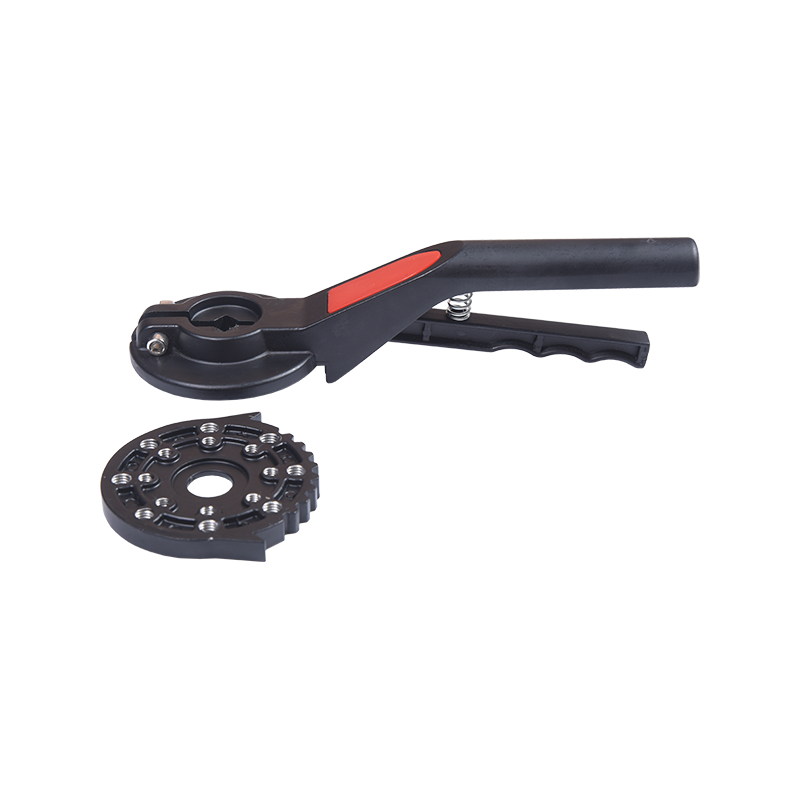
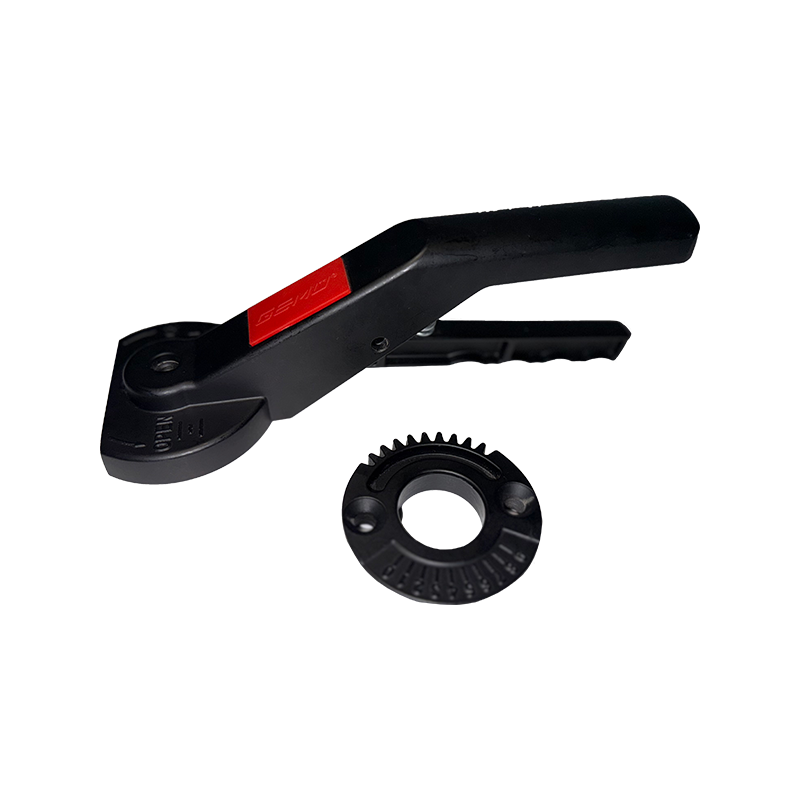
Pneumatic actuators, gearboxes, handles, brackets, couplings
Valve Types
Ball, butterfly, plug and damper
Environment Options
Outdoor coating, corrosion protection, hazardous area models
Interface
ISO 5211 F03 to F25
Commercial
OEM and ODM, samples, MOQ from 100 pieces
Product Overview
Valve automation applications share a common need: dependable control of flow without constant manual attention. A valve on a remote pipeline, a dosing line in a plant or a damper in a building system may be operated hundreds of times a year, so the actuator and its mechanical interface must withstand repeated cycles, weather and vibration.
Each industry adds its own demands. Hazardous areas call for certified equipment, corrosive environments require durable coatings, and cold or hot climates affect lubricants and seals. Because our parts are produced in aluminum alloy with controlled heat treatment and surface finishing, they offer a good balance of weight, strength and corrosion resistance. We help buyers match a configuration to the actual operating conditions rather than selecting by price alone.
Sectors
Oil, water, chemical, mining
Interface
ISO 5211
Environment
Outdoor and corrosive
Certificates
ISO 9001, ATEX, IECEx
Main points for buyers
- Industry standards: Check which approvals, such as ATEX or IECEx, your project requires.
- Media and environment: Record temperature, humidity, chemical exposure and washdown needs.
- Cycle frequency: State how often valves operate, as it affects gear and seal selection.
- Access and maintenance: Consider manual override and ease of service for remote sites.
- Supply continuity: Plan stock and lead time for spare parts across the plant life.
Application-driven requirements shape cost more than the basic product. Certification scope, special coatings, extra torque margin, manual override and testing add to price, while volume and standardized configurations bring it down. Freight, packaging and project documentation also count. Compare quotes against the same specification so that differences reflect real value.
Specification
| Parameter | Specification |
| Typical Industries | Oil and gas, water, chemical, mining, power, HVAC, food |
| Valve Types | Ball, butterfly, plug, dampers |
| Hardware | Pneumatic actuators, gearboxes, handles, brackets, couplings |
| Housing Material | Aluminum alloy A356-T6 or ADC12 |
| Mounting Interface | ISO 5211 F03 to F25 |
| Operating Temperature | -20 to +80 degrees C, standard |
| Surface Protection | Powder coating, painting, anodizing |
| Air Supply (Pneumatic) | 2.5 to 8 bar |
| Hazardous Area | ATEX and IECEx for applicable products |
| Manual Override | Worm gear operator on request |
| Quality System | ISO 9001 |
| Customization | Torque, bore, color, marking |
Application
Application Scenarios
| Industry | Typical Use | Key Requirement |
| Oil and gas | Pipeline, skid and manifold valves | Corrosion protection and certified options |
| Water and wastewater | Treatment plant and distribution valves | Durability and manual override |
| Chemical processing | Process isolation and dosing | Coating and sealing quality |
| Mining | Slurry, water and dust control | Impact and vibration resistance |
| Power and HVAC | Cooling water and air systems | Long life under frequent cycles |
Target Customers
Industry Valve Makers
Need automation hardware tailored to their sector.
EPC Contractors
Need suppliers who can meet specification and documentation needs.
Plant Maintenance Teams
Need replacements and upgrades that fit existing valves.
Suitable and Unsuitable Uses
Suitable Uses
- Remote or hard-to-reach valves
- Process lines with frequent cycling
- Sites with corrosion or weather exposure
- Facilities that need safe failure positions
Unsuitable Uses
- Extreme temperatures outside the standard range
- Valves that need multi-turn operation
- Applications with unknown media or conditions
- Heavy modulating duty without suitable control instruments
Selection Guidance
Usage Notes
- Check temperature and media against the product limits.
- Inspect coating and seals during scheduled maintenance.
- Keep air supply clean and dry.
- Test manual override at regular intervals.
- Document valve and actuator serial numbers for spare parts.
Advantages
Sector flexibility
Our gravity cast and die-cast housings can be configured for different sectors. One supplier can serve several of your industry segments.
Certification support
ISO 9001 applies to the whole production flow, with ATEX and IECEx certificates for applicable products. This reduces compliance risk on regulated projects.
Corrosion protection
Shot blasting, vibratory finishing and a 300-meter automated painting line provide even coatings. Longer coating life lowers maintenance cost.
Heat-treated housings
Six heat treatment units give stable housing strength. Parts keep their shape under cycling and temperature changes.
Spare part continuity
Tooling stays dedicated and drawings are archived. You can reorder identical parts years later without redevelopment.
Engineering input
Our engineers review your operating conditions and suggest configuration changes. This helps prevent over-specification and unnecessary cost.
Frequently Asked Questions
- Q: Which industries do you supply?
- A: We supply valve makers and integrators serving oil and gas, water, chemical, mining, power and building services.
- Q: Do you have products for hazardous areas?
- A: ATEX and IECEx certifications are held for applicable industrial products. Please tell us the zone and gas group so we can confirm the right model.
- Q: How do you handle corrosive environments?
- A: We offer powder coating, painting and anodizing, and can advise on the right system for coastal or chemical sites.
- Q: Can the same product serve several industries?
- A: Standard actuators and gearboxes work across many sectors, with coating and certification adjusted to each project.
- Q: What information is needed for a recommendation?
- A: Valve type, torque, media, temperature, location, cycle frequency and any required certificates.
- Q: Can you provide spare parts for the long term?
- A: Yes. Tooling and drawings are kept for your project so spare parts can be reordered later.
- Q: What is the MOQ?
- A: Typically 100 to 300 pieces per model, with smaller trials possible.
- Q: How long does sampling take?
- A: Usually 15 to 30 days depending on model and customization.
Contact us to learn more
Tell us your drawing, sample or application for valve automation industry applications, together with material, finish and expected annual quantity. Our engineers will review the details and reply with a clear quotation, sampling plan and lead time.
Send Your Inquiry