

 en
 English
 Español

Valve Control Equipment Applications
-- Steady & Reliable Manufacturer --
Brief Product Description
Valve control equipment includes the operators, actuators and mechanical accessories fitted to valves to control flow. Its applications range from a simple lever on a utility line to an automated pneumatic package on a process skid. Buyers include valve makers, integrators, distributors and plant engineers who need to match equipment to specific working conditions.
Typical checks cover torque, rotation angle, interface standard, material, coating, temperature range, certification and ease of maintenance. Application context drives many of these choices, so buyers often describe their site conditions before selecting equipment.
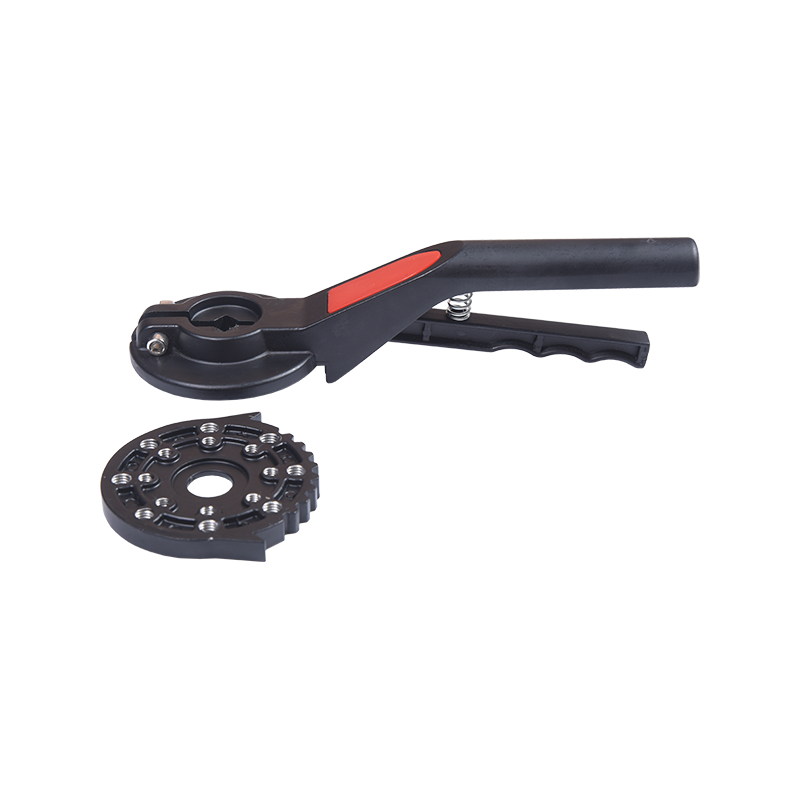
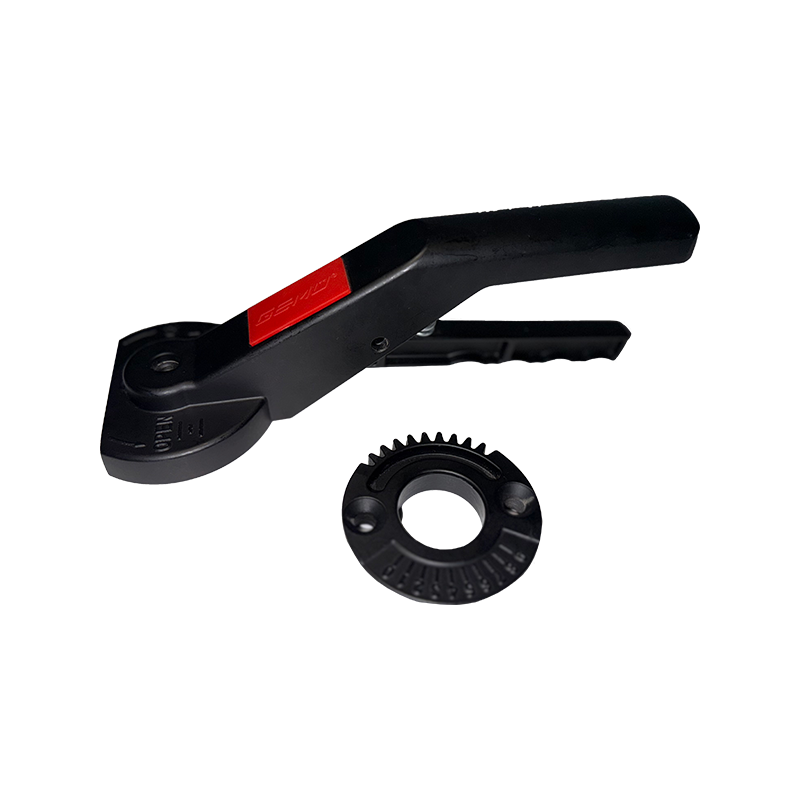
We supply worm gear operators, handles, pneumatic actuators, brackets, couplings and housings, all produced in our factory. OEM and ODM services cover torque ratings, bores, colors and marking. Samples take 10 to 30 days, and MOQ commonly starts at 100 to 300 pieces per model.
Application feedback from our customers is used to refine standard models, such as adding sealing options or coating systems for specific climates. Sharing your site conditions helps us recommend equipment that is practical rather than only matching a torque number.
Equipment Types
Operators, actuators, brackets, couplings, housings
Control Modes
Manual, pneumatic, manual override
Typical Sites
Pipelines, plants, utilities, buildings
Interface
ISO 5211 F03 to F25
Environment Options
Outdoor coating, corrosion protection, hazardous area models
Commercial
OEM and ODM, samples, MOQ from 100 pieces
Product Overview
Valve control equipment turns a decision to open or close a valve into physical motion. In small systems, a person turns a lever or handwheel. In larger or remote systems, compressed air drives an actuator. In both cases, mechanical parts such as brackets and couplings keep everything aligned and carry the torque.
Where the equipment is used matters as much as what it is. Outdoor pipelines see sun, rain and temperature swings, process plants may expose equipment to vapors and washdown, and building systems demand quiet, compact devices. Choosing coatings, seals and materials for the application avoids early failures. Standardized ISO 5211 interfaces and clear documentation let users maintain and replace equipment easily over the life of the plant.
Equipment
Manual and pneumatic
Interface
ISO 5211
Sites
Outdoor and indoor
Quality System
ISO 9001
Main points for buyers
- Site conditions: Describe temperature, humidity, chemical exposure and washdown frequency.
- Control mode: Choose manual or pneumatic according to access and frequency.
- Maintenance plan: Consider ease of inspection, lubrication and spare parts.
- Certification: Check hazardous area and quality documentation requirements.
- Lifecycle cost: Weigh purchase price against service life and downtime risk.
Application-based requirements affect price: extra coating, special seals, certification, manual override and testing all add cost. Volume and standardization reduce it. Freight and packaging are further parts of landed cost. To compare quotes, give each supplier the same site description and equipment list and ask for a clear breakdown.
Specification
| Parameter | Specification |
| Equipment Types | Worm gear operators, handles, pneumatic actuators, brackets, couplings |
| Control Modes | Manual, pneumatic, manual override |
| Rotation Angle | 90 degrees, adjustable stops |
| Output Torque | Lever up to about 200 N.m; gearbox up to 2,000 N.m; pneumatic per model |
| Mounting Interface | ISO 5211 F03 to F25 |
| Housing Material | Aluminum alloy A356-T6 or ADC12 |
| Operating Temperature | -20 to +80 degrees C, standard |
| Air Supply (Pneumatic) | 2.5 to 8 bar |
| Surface Treatment | Powder coating, painting, anodizing |
| Hazardous Area | ATEX and IECEx for applicable products |
| Quality System | ISO 9001 |
| Customization | Torque, bore, color, marking |
Application
Application Scenarios
| Industry | Typical Use | Key Requirement |
| Outdoor pipelines | Isolation and sectioning valves | Weather and corrosion resistance |
| Process plants | Line isolation and dosing | Chemical resistant coatings |
| Utilities | Water, air and steam auxiliary lines | Durability and easy service |
| Building services | HVAC water circuits and dampers | Compact, quiet equipment |
| Mining and heavy industry | Slurry and dust control | Impact and vibration resistance |
Target Customers
Valve Manufacturers
Need equipment that suits specific application ranges.
Integrators
Need dependable hardware with clear documentation.
Maintenance Departments
Need replacements that match existing valves and conditions.
Suitable and Unsuitable Uses
Suitable Uses
- Equipment for pipelines, plants and buildings
- Mixed manual and automated valves
- Projects with defined site conditions
- Replacement and upgrade work
Unsuitable Uses
- Extreme high-temperature or high-radiation sites
- Valves with multi-turn stems
- Applications without defined torque data
- Control electronics supply
Selection Guidance
Usage Notes
- Compare site conditions with equipment ratings.
- Check coating and seals at each inspection.
- Keep manual override clear and operable.
- Record equipment serial numbers.
- Replace worn seals and lubricants on schedule.
Advantages
Application-led selection
Our engineers consider site conditions as well as torque. Equipment lasts longer and unplanned downtime drops.
Wide environment options
Coating systems from our 300-meter painting line, plus anodizing, suit outdoor and corrosive sites. Maintenance cost falls with better protection.
Compact aluminum designs
Aluminum housings keep weight low. Installation is easier on elevated or crowded pipework.
Consistent interface
ISO 5211 mounting across the range simplifies stock. You keep fewer spare part types.
Quality documentation
ISO 9001 procedures and optional inspection reports support audits. Your customers receive the paperwork they ask for.
Reliable supply
In-house casting, machining and assembly give predictable lead times. Project and replacement orders ship on schedule.
Frequently Asked Questions
- Q: What equipment do you supply for valve control?
- A: We supply worm gear operators, handles, pneumatic actuators, brackets, couplings and aluminum housings for quarter-turn valves.
- Q: How do site conditions affect selection?
- A: Temperature, humidity and chemicals affect coating, seals and materials. Share them so we can recommend the right configuration.
- Q: Can I mix manual and pneumatic equipment?
- A: Yes. A common ISO 5211 interface allows both on the same valve family.
- Q: Do you provide hazardous-area equipment?
- A: ATEX and IECEx certificates are held for applicable products. Confirm the model and zone with us.
- Q: How do I know the torque needed?
- A: Use the valve datasheet maximum torque and add a margin of about 25 to 30 percent.
- Q: Can you supply spare parts later?
- A: Yes. Tooling and drawings are kept for your project so spare parts can be reordered.
- Q: What is the MOQ?
- A: Typically 100 to 300 pieces per model.
- Q: How long do samples take?
- A: Usually 10 to 30 days, depending on model.
Contact us to learn more
Tell us your drawing, sample or application for valve control equipment applications, together with material, finish and expected annual quantity. Our engineers will review the details and reply with a clear quotation, sampling plan and lead time.
Send Your Inquiry