

 en
 English
 Español

Valve Operating Solutions for Industry
-- Steady & Reliable Manufacturer --
Brief Product Description
Valve operating solutions for industry are the manual and powered devices that let plant staff control valves safely and consistently. They include handwheels, lever handles, worm gear operators, extension stems, locking devices and pneumatic actuators. Buyers are valve manufacturers, plant maintenance teams, contractors and distributors who need devices that suit a wide range of valve sizes and working conditions.
Key concerns are operating effort, torque capacity, position indication, safety locking, interface with the valve and durability in the working environment. Buyers also want to know how easily the device can be replaced or upgraded and whether spare parts will remain available.
Our factory casts, machines, coats and assembles operating devices in one place. We can supply a matched set across a valve range, with custom ratios, bores, colors and marking under OEM and ODM terms. Samples take 10 to 25 days, and MOQ commonly starts at 100 to 300 pieces per model.
We can organize products in a simple range structure, such as handles for small valves, gearboxes for medium and large valves and actuators for automated lines. A consistent ISO 5211 interface lets your customers change the device without changing the valve.
Device Range
Handwheels, levers, gearboxes, extension stems, actuators
Operating Effort
Gear ratios 20:1 to 80:1 for gearboxes
Safety
Lock plates, self-locking gear sets, indicators
Interface
ISO 5211 F03 to F25
Materials
Aluminum alloy housings, steel internals
Commercial
OEM and ODM, samples, MOQ from 100 pieces
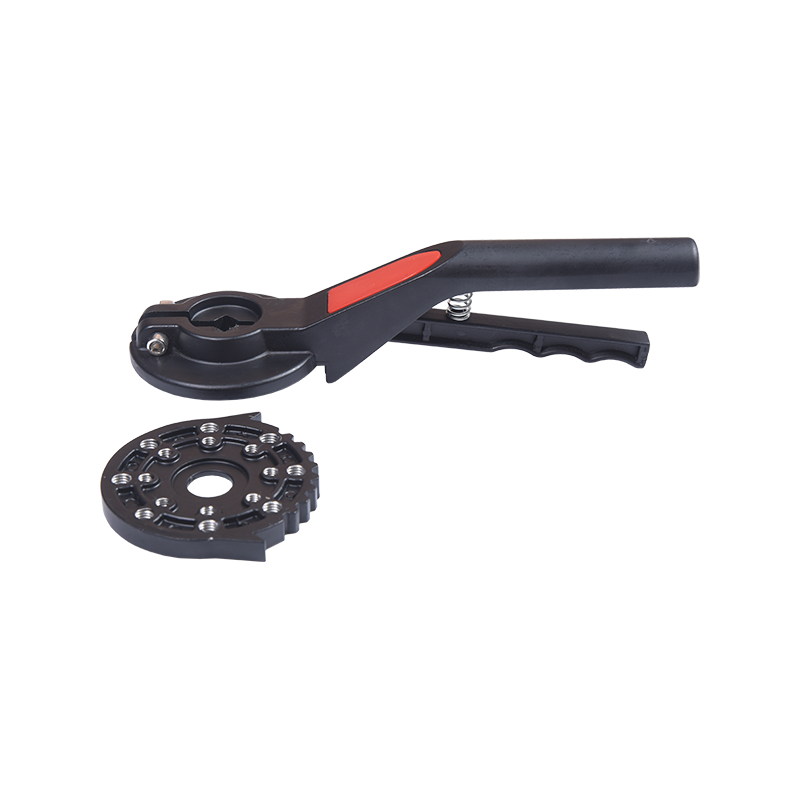
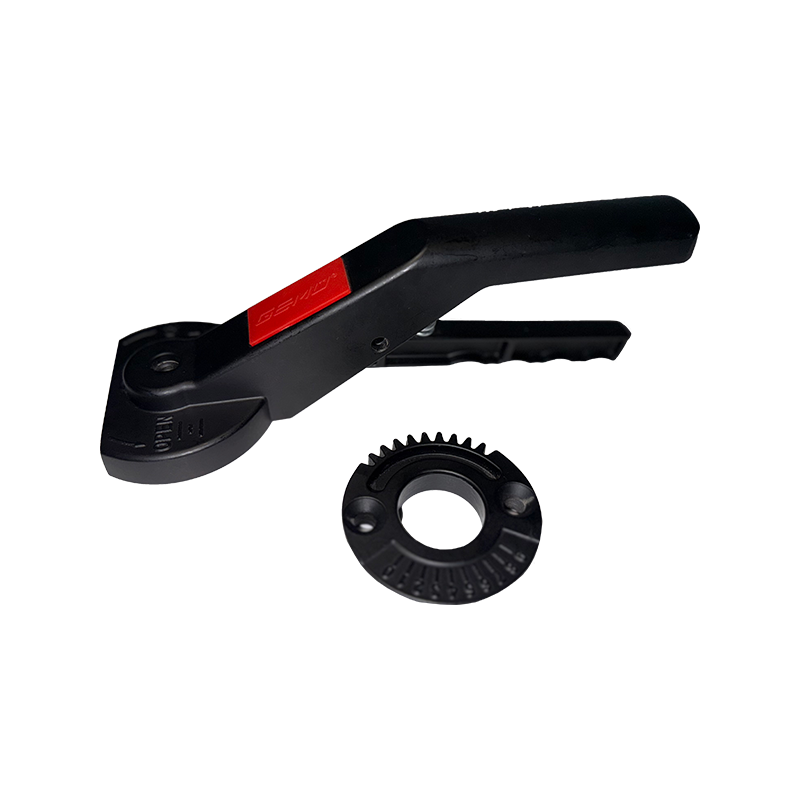
Product Overview
Industrial valve operating solutions focus on the human and machine side of valve control. Operators must be able to open and close valves without excessive force, know the position at a glance, and be able to lock the valve out during maintenance. At the same time, the devices must withstand weather, vibration and years of use.
Gear reduction is the key to ergonomics. A worm gear gearbox multiplies hand force so that large valves can be turned by one person, and its self-locking nature keeps the valve fixed under load. Handles and levers suit small valves, while extension stems bring the control point to a convenient height. Pneumatic actuators are added where valves need to be moved from a distance. Using the same mounting standard across the range simplifies spare parts and training.
Devices
Manual and powered
Ratio Range
20:1 to 80:1
Interface
ISO 5211
Quality System
ISO 9001
Main points for buyers
- Operating effort: Check handwheel rim force against valve torque and gear ratio.
- Visibility: Specify clear position indication that can be read from a distance.
- Lockout: Ask for padlock plates or lockable handles to support safety procedures.
- Reach: Consider extension stems or chain wheels for valves in high or tight spots.
- Spare parts: Plan standardized models to simplify stock and training.
Total cost is shaped by device type, torque capacity, housing material, coating, locks and extensions, and order quantity. Additional costs arise from custom ratios or bores and special color or marking. When comparing quotations, line up the same torque rating, ratio, finish and accessories, and ask about packaging and freight terms.
Specification
| Parameter | Specification |
| Device Types | Handwheel, lever, worm gear operator, extension stem, pneumatic actuator |
| Gear Ratio | 20:1 to 80:1 for worm gear types |
| Output Torque | Lever up to about 200 N.m; gearbox up to 2,000 N.m |
| Rotation | 90 degrees with adjustable stops |
| Mounting Interface | ISO 5211 F03 to F25 |
| Stem Drive | Square, double-D, keyed |
| Housing Material | Aluminum alloy |
| Locking | Padlock plate on request |
| Position Indicator | Mechanical |
| Operating Temperature | -20 to +80 degrees C, standard |
| Surface Treatment | Powder coating, painting, anodizing |
| Customization | Ratio, bore, color, logo |
Application
Application Scenarios
| Industry | Typical Use | Key Requirement |
| Process plants | Line isolation in chemical and food plants | Smooth operation and lockout |
| Water systems | Valve chambers and pumping stations | Self-locking and weather resistance |
| Oil and gas | Block valves and manifolds | Corrosion protection |
| Power and utilities | Cooling water and steam auxiliary lines | Durability and ease of service |
| Marine | Deck and ballast systems | Salt-air coating |
Target Customers
Valve Manufacturers
Need a device range that matches their valve sizes.
Maintenance Teams
Need devices that are easy to operate and service.
Distributors
Need standard items with consistent supply.
Suitable and Unsuitable Uses
Suitable Uses
- Valves that must be operated by hand with reasonable effort
- Plants with lockout and tagout procedures
- Mixed fleets of valve sizes
- Upgrading older valves with modern devices
Unsuitable Uses
- Valves needing high-speed automatic cycling
- Torque above the device rating
- Locations with extreme temperatures
- Valves with unknown stem dimensions
Selection Guidance
Usage Notes
- Install the device with valve and indicator in the same position.
- Check stops and set screws after first operation.
- Do not extend handles with pipes.
- Keep indicators clean and visible.
- Inspect and lubricate according to the maintenance plan.
Advantages
Complete range
Handwheels, levers, gearboxes and actuators are produced in one plant. A single supplier simplifies purchasing and reduces freight.
Ergonomic gear ratios
Ratios from 20:1 to 80:1 let you balance effort and speed. Operators can handle large valves safely without extra tools.
Lockout ready
Padlock plates and self-locking gears are available. Sites can follow safety procedures without adding separate hardware.
Even coatings
A 300-meter automated painting line and shot blasting give uniform finishes. Devices last longer outdoors and need less maintenance.
Interchangeable interface
ISO 5211 mounting is used across the range. Customers upgrade devices without replacing the valve.
Private-label option
Color, logo and ratio can be customized under OEM terms. You can bring a branded range to market quickly.
Frequently Asked Questions
- Q: What operating devices do you offer?
- A: We supply handwheels, levers, worm gear operators, extension stems and pneumatic actuators for quarter-turn valves.
- Q: How do I reduce handwheel effort?
- A: Use a worm gear operator with a higher ratio. The trade-off is more turns to open or close.
- Q: Can devices be locked?
- A: Yes. Padlock plates and lockable handles are available on request.
- Q: Are the gearboxes self-locking?
- A: At standard ratios, the worm gear holds the valve position under load.
- Q: Can I mix manual and powered devices in one range?
- A: Yes. A common ISO 5211 interface lets you use the same valve with different devices.
- Q: What is the MOQ?
- A: Typically 100 to 300 pieces per model.
- Q: Can you supply extension stems?
- A: Yes, extension stems and related brackets can be made to your length and drive.
- Q: How long do samples take?
- A: Usually 10 to 25 days, depending on model.
Contact us to learn more
Tell us your drawing, sample or application for valve operating solutions for industry, together with material, finish and expected annual quantity. Our engineers will review the details and reply with a clear quotation, sampling plan and lead time.
Send Your Inquiry