

 en
 English
 Español

Worm Gear Operator for Valves
-- Steady & Reliable Manufacturer --
Brief Product Description
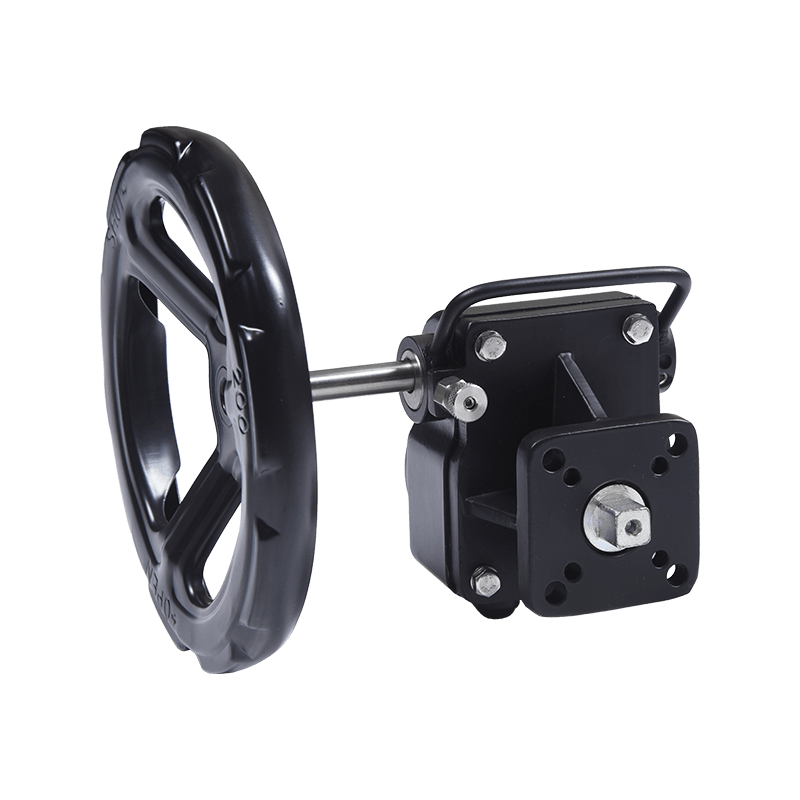
A worm gear operator is a manual gearbox that sits between the handwheel and the valve stem. A hardened worm drives a worm wheel, so a modest hand force becomes a large output torque through 90 degrees of rotation. Valve makers, distributors and maintenance teams use it on ball and butterfly valves that are too large to turn with a lever.
The key checks are output torque, gear ratio, handwheel diameter and input force, ISO 5211 flange and bore size, backlash, self-locking behavior and the sealing level of the housing. Many buyers also ask about indicator design, adjustable travel stops and lockable options.
Housings are produced in our own foundry and machined in-house, then assembled and tested on dedicated lines. Standard ratios cover most valve sizes, while special ratios, bore sizes, paint and logo are available under OEM terms. Samples take about 15 to 25 days, and MOQ typically starts at 100 sets.
Gear sets are greased at assembly and each unit is turned through its full travel before packing, so backlash and smoothness are confirmed. Operators ship in individual cartons with the handwheel, stops and fasteners included.
Gear Type
Worm and worm wheel, self-locking
Ratio
20:1 to 80:1, typical
Output Torque
50 to 2,000 N.m, higher on request
Mounting
ISO 5211 F05 to F25
Housing
A356-T6 aluminum, powder coated
Options
Position indicator, stops, lock, extension stem
Product Overview
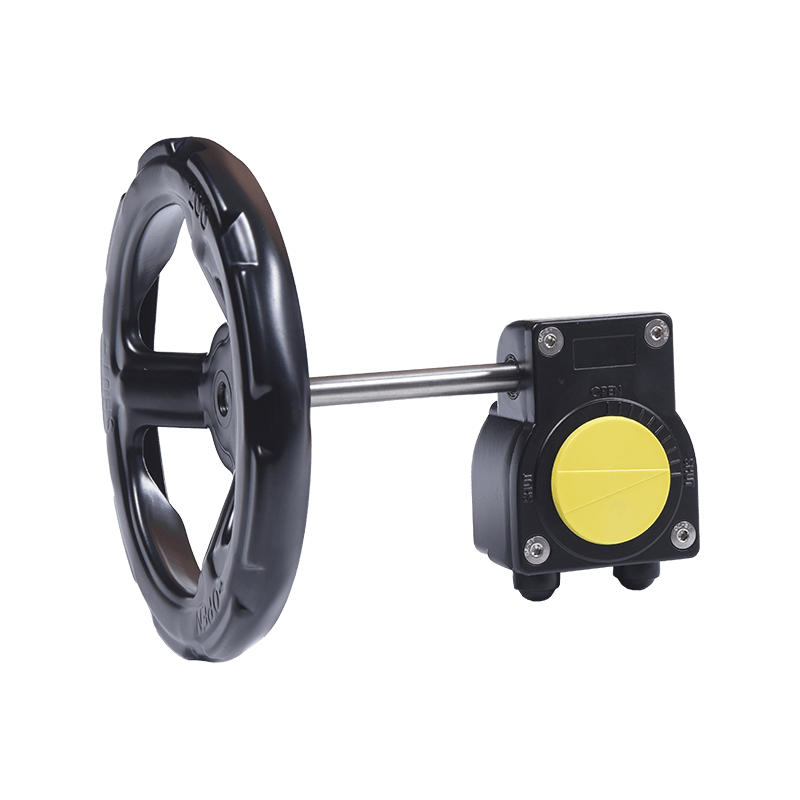
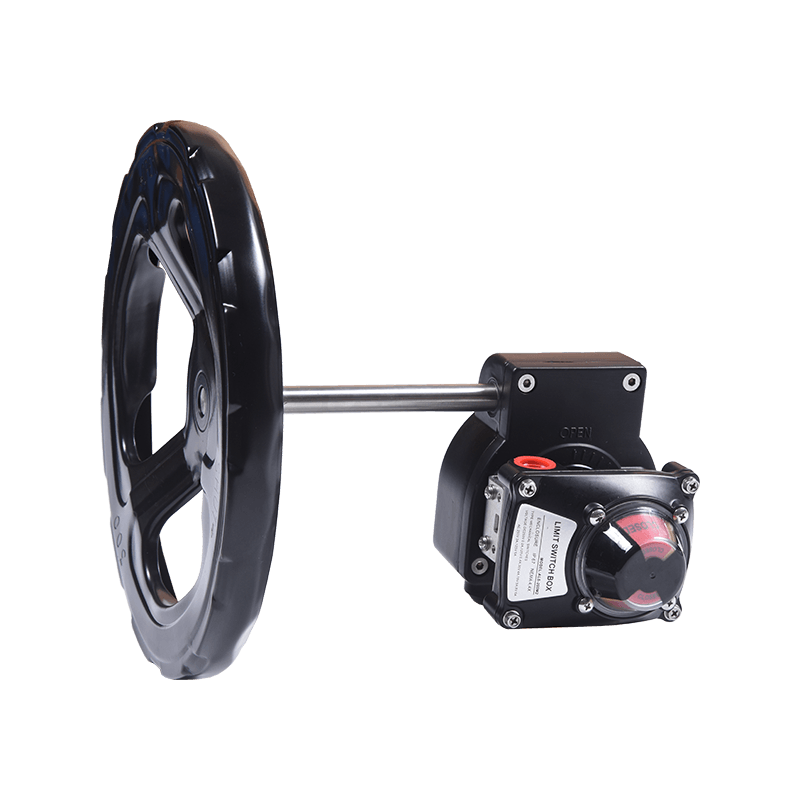
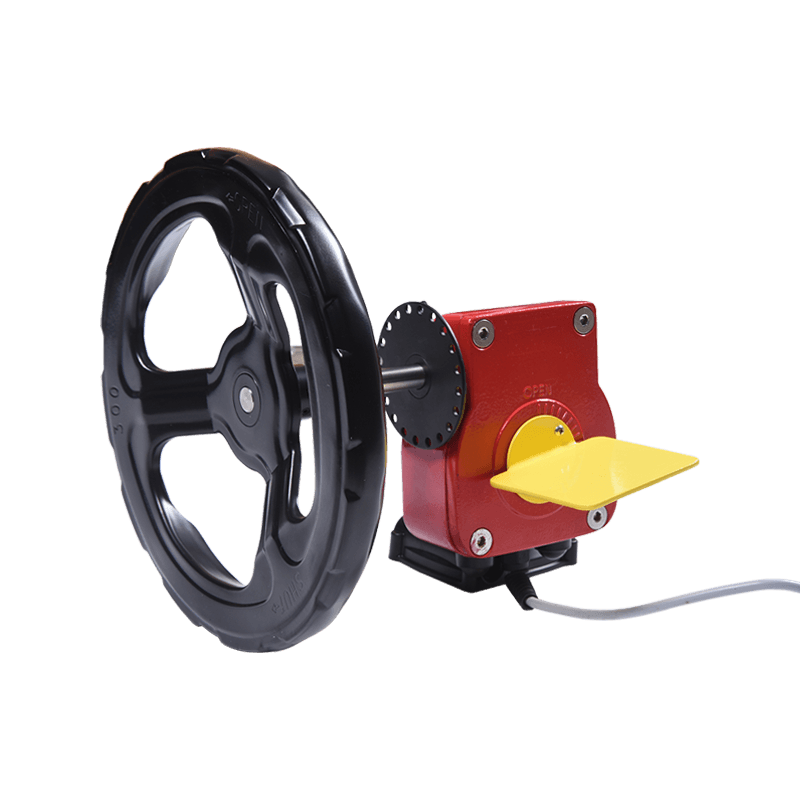
A worm gear operator is a quarter-turn manual gearbox that multiplies hand force so one person can operate a large valve. Turning the handwheel rotates a worm shaft that meshes with a worm wheel, and the wheel's output bore transmits rotation to the valve stem.
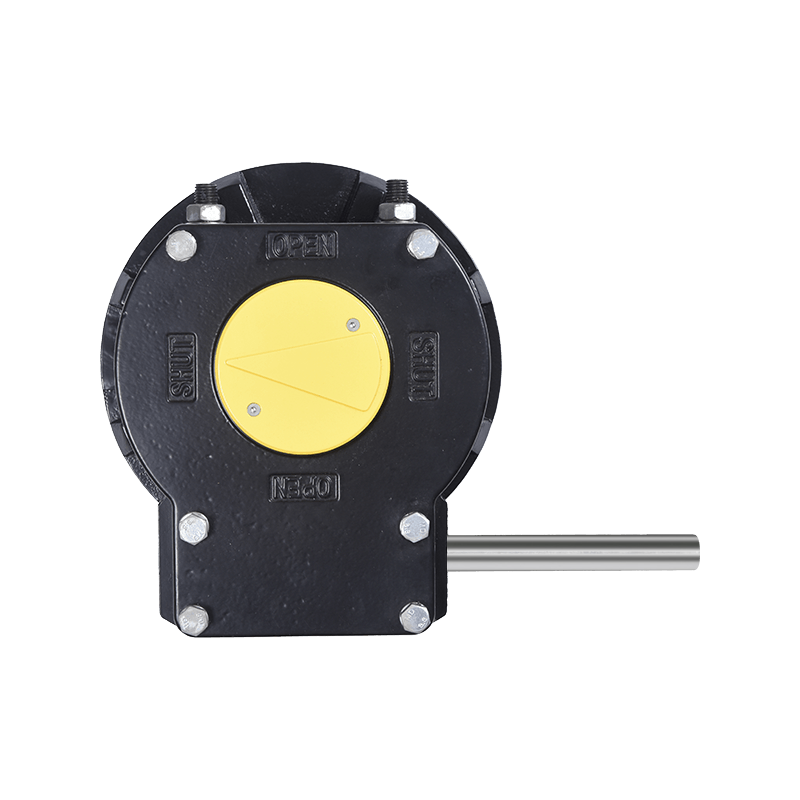
The helix angle of the worm is chosen so the gear set is self-locking. Pressure on the valve disc cannot back-drive the handwheel, so the valve stays where it was set. Adjustable stops at both ends limit travel to exactly 90 degrees, and an indicator on top shows valve position. The housing protects the gears from dust and water and is normally filled with grease for its service life.
Gear Type
Worm and wheel
Self-Locking
Yes, standard ratios
Mounting
ISO 5211 F05 to F25
Housing
Aluminum alloy
Main points for buyers
- Ratio versus speed: A higher ratio lowers handwheel force but needs more turns to cycle the valve.
- Output torque: Choose a rated torque above the valve breakaway torque with a safety margin.
- Input force: Handwheel diameter and rim force decide whether one person can operate the valve.
- Interface: Confirm ISO 5211 flange, bore size and keyway before ordering.
- Sealing: State whether the site is outdoor, washdown or flooded so the sealing level can be matched.
Price differences between worm gear operators usually come from the gear materials and hardening process, housing size, machining accuracy of the worm shaft and bearing seats, handwheel type, coating system and certification scope. Order quantity, packaging and shipping method complete the landed cost. When quotes differ a lot, compare backlash, torque rating and lubrication specification first.
Specification
| Parameter | Specification |
| Gear Set | Hardened worm shaft with worm wheel, per model |
| Gear Ratio | 20:1 to 80:1 |
| Output Torque | 50 to 2,000 N.m, higher on request |
| Handwheel Diameter | 100 to 500 mm |
| Rotation Angle | 90 degrees, adjustable stops |
| Mounting Flange | ISO 5211 F05 to F25 |
| Output Bore | Square or keyed bore per valve stem |
| Housing Material | A356-T6 aluminum alloy |
| Self-Locking | Yes at standard ratios |
| Lubrication | Lithium-based grease, filled at assembly |
| Operating Temperature | -20 to +80 degrees C, standard |
| Surface Treatment | Powder coating or painting |
Application
Application Scenarios
| Industry | Typical Use | Key Requirement |
| Water and wastewater | Large butterfly valves on mains | Self-locking and low handwheel effort |
| Oil and gas | Manual override on ball valves | Corrosion protection and durable gearing |
| Chemical plants | Isolation valves on process lines | Sealed housing and coating |
| Power plants | Cooling water butterfly valves | Reliable long-term operation |
| Marine and port | Ballast and cargo line valves | Salt-air resistance |
Target Customers
Butterfly and Ball Valve Makers
Need gearboxes in standard sizes that match their valve ranges.
Valve Distributors
Need popular ratios in stock and consistent bore options.
Maintenance Contractors
Need direct replacements that fit existing flanges and stems.
Suitable and Unsuitable Uses
Suitable Uses
- Manual operation of large quarter-turn valves
- Valves that must hold position without a brake
- Sites where power is limited or unavailable
- Backup manual override beside an actuator
Unsuitable Uses
- High-cycle automatic control
- Valves that need very fast closing
- Multi-turn stem valves
- Service beyond the listed temperature range
Selection Guidance
Usage Notes
- Check that the output bore fits the stem before mounting.
- Set both travel stops after installing on the valve.
- Do not use a cheater bar on the handwheel.
- Keep the breather and seals free of paint and debris.
- Re-grease at the planned service interval.
Advantages
Strength from heat-treated castings
Housings are cast in aluminum alloy and treated in our 6 heat treatment units. A stable, stress-relieved housing keeps gear alignment true and protects bearing life.
Accurate gear seats
Bearing and gear seats are machined on 5 machining centers and 18 CNC lathes. Lower backlash and smoother operation reduce handwheel effort for your end users.
Self-locking design
Standard ratios use a self-locking worm set. Valves hold position under flow load, which improves site safety and removes the need for extra brakes.
Assembly and run test
Each model is assembled on our dedicated lines and tested for operation. Fewer defects on arrival cut your inspection time and warranty cost.
Coating that lasts
A 300-meter automated painting line applies an even finish. Better corrosion resistance protects the housing in outdoor and marine use.
Private-label ready
Ratios, bore sizes, colors and marking can be customized. Your own brand can be launched without developing a gearbox from zero.
Frequently Asked Questions
- Q: How does a worm gear operator reduce handwheel effort?
- A: The worm and worm wheel give a high reduction ratio, so hand force is multiplied. The higher the ratio, the lower the force but the more turns needed.
- Q: What torque range can you supply?
- A: Typical models cover 50 to 2,000 N.m. Higher ratings can be reviewed with your valve data.
- Q: Will the valve move by itself under pressure?
- A: At standard ratios the gear set is self-locking, so pressure on the valve disc does not turn the handwheel.
- Q: Which ISO 5211 flanges are available?
- A: We machine F05 to F25 flange pads. Output bore and key shape follow your valve stem drawing.
- Q: Can the stops be adjusted?
- A: Yes. Adjustable stops at both ends set the exact 90 degree travel, and the indicator shows position.
- Q: What is the MOQ and sample time?
- A: MOQ usually starts at 100 sets and samples take about 15 to 25 days. Special designs may need more time.
- Q: Is the housing suitable for outdoor use?
- A: The aluminum housing is coated, and the sealing level can be matched to outdoor or washdown service. Tell us the environment so we can advise.
- Q: Can you supply with a handwheel, chain wheel or extension?
- A: Handwheel versions are standard. Other input options and extension stems can be discussed according to the project.
Contact us to learn more
Tell us your drawing, sample or application for worm gear operator for valves, together with material, finish and expected annual quantity. Our engineers will review the details and reply with a clear quotation, sampling plan and lead time.
Send Your Inquiry